


Interfaith marriages bring beautiful complexity – two cultural heritages, two sets of traditions, two families with different expectations about what weddings should look like. Creating ceremonies that genuinely honor both partners’ backgrounds while maintaining authenticity to each tradition requires thoughtful planning and sometimes creative approaches that traditional religious ceremonies don’t easily accommodate.
Destination weddings in Antalya, Turkey provide unique advantages for interfaith couples precisely because you’re operating outside both families’ typical religious and cultural contexts. At Ramarossi, we coordinate interfaith celebrations that create meaningful ceremonies drawing from both traditions, incorporate symbolic elements that resonate with both families, and build bridges between different religious worlds through shared celebration. This guide explains the approaches that work for interfaith weddings in Turkey.
Why Interfaith Couples Choose Destination Weddings
Interfaith couples often find destination weddings solve several challenges that home-country celebrations present.
Religious venue restrictions disappear when you’re not constrained by church policies, mosque requirements, or synagogue regulations that often prohibit or restrict interfaith ceremonies. Many religious institutions won’t host interfaith weddings at all or impose requirements that compromise one partner’s tradition. Destination venues in Antalya, Turkey welcome all couples regardless of religious combination.
Family pressure reduces when celebrations happen on neutral territory. Both families travel to Turkey as guests rather than hosts, creating more equal footing. The destination context signals this wedding reflects the couple’s choices rather than either family’s religious expectations. Geography creates psychological distance that helps families accept ceremonies they might resist if happening in their home communities.
Creative ceremony options expand when you’re not bound by institutional religious requirements. Secular celebrants, dual officiants from different faiths, blended ceremonies drawing from both traditions, or entirely non-religious humanist ceremonies all become possibilities that might be difficult to arrange at home.
The celebration itself becomes the focus rather than religious validation. When ceremonies happen in beautiful Mediterranean settings surrounded by loved ones, the setting and commitment take center stage over which religious authority blessed the union.
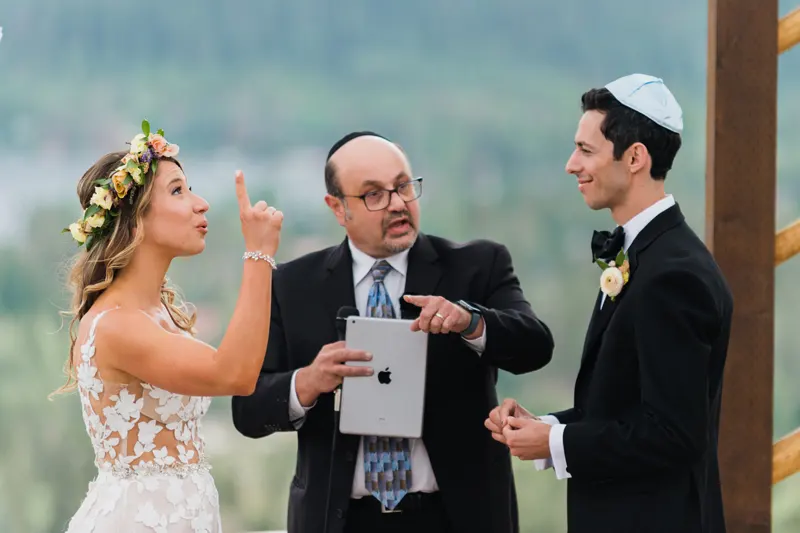
The Three Main Approaches to Interfaith Ceremonies
Interfaith couples in Antalya, Turkey typically choose one of three ceremony structures, each with different advantages and considerations.
Secular Humanist Ceremonies
Purely secular ceremonies avoid religious content entirely, focusing on universal values of love, commitment, and partnership that transcend specific faith traditions. Professional celebrants conduct these ceremonies using language and rituals that feel meaningful without invoking particular religious frameworks.
Secular ceremonies work beautifully when both partners are non-practicing or when religious differences are substantial enough that blending traditions feels inauthentic. The ceremony becomes about your relationship and commitment rather than satisfying religious requirements neither of you prioritizes.
These ceremonies can still feel profound and ceremonial – they’re not bare-bones civil procedures. Thoughtful vows, meaningful readings from literature or philosophy, symbolic rituals like unity candles or sand ceremonies, and beautiful settings create significance without religious language. Many interfaith couples find secular approaches feel more honest than attempting blended ceremonies when neither partner actively practices faith.
Blended Ceremonies Drawing from Both Traditions
Blended ceremonies incorporate elements from both partners’ religious backgrounds into single unified celebrations. This might include readings from both holy texts, symbolic rituals from both traditions, blessings invoking both religious frameworks, and ceremonial elements that honor both heritages.
Successful blended ceremonies require careful balance ensuring neither tradition dominates or feels tokenized. The goal is authentic integration where both families recognize meaningful elements from their traditions woven respectfully together, not superficial mashups where symbolic gestures feel hollow or appropriative.
Common blended elements include breaking glass (Jewish tradition) paired with exchanging flower garlands (Hindu tradition), readings from Bible and Quran, Christian vows combined with Islamic marriage contract elements, or Hindu Saptapadi (seven steps) incorporated alongside Christian ring exchange. The specific combinations depend entirely on which traditions you’re blending.
Blended ceremonies work best when both partners actively value their religious backgrounds and want family members to see their traditions honored. They require more coordination and creativity than single-tradition or secular ceremonies but can create powerful moments of unity that literally join two religious worlds.
Sequential Ceremonies Honoring Each Tradition Separately
Some interfaith couples choose two separate ceremony components – one honoring each tradition fully rather than attempting to blend them. This might mean a Christian ceremony followed by Islamic traditions, a Hindu ceremony in the morning and Jewish ceremony in the evening, or any combination that respects both faiths without compromising either.
Sequential approaches work when religious authorities from either tradition won’t participate in blended ceremonies, when families would feel their traditions are diluted if combined, or when couples themselves prefer honoring each faith fully rather than partially. The challenge is time – two full religious ceremonies require substantial duration and can test guests’ attention spans.
More commonly, couples do abbreviated versions of each tradition – key symbolic moments from each faith presented sequentially within one celebration. A Christian minister might lead vows and ring exchange, followed by an imam reciting marriage blessings and signing Islamic marriage contracts. Guests experience both traditions without sitting through two complete ceremonies.

Finding Officiants for Interfaith Weddings
Officiant selection significantly impacts interfaith ceremony success. Different approaches require different officiant types.
Professional Secular Celebrants
Secular celebrants in Antalya, Turkey specialize in non-religious ceremonies but can incorporate cultural elements from various traditions without invoking religious authority. These professionals create customized ceremonies reflecting your values, cultural backgrounds, and relationship while remaining neutral religiously.
Good secular celebrants work with couples to understand what matters from each tradition, then craft ceremonies that honor cultural heritage without requiring religious belief. They’re skilled at writing vows, selecting readings, and structuring ceremonies that feel meaningful rather than perfunctory.
Ramarossi works with experienced celebrants who regularly conduct interfaith and multicultural weddings in Turkey. They understand how to navigate sensitive family dynamics, incorporate diverse traditions respectfully, and create ceremonies that satisfy multiple constituencies without compromising artistic or spiritual integrity.
Clergy from One Tradition Who Accept Interfaith Marriages
Some Christian ministers, Reform or Reconstructionist rabbis, progressive imams, and clergy from various traditions will perform interfaith marriages or participate in interfaith ceremonies. These religious officiants bring spiritual authority while accepting that one partner doesn’t share their faith.
Finding interfaith-friendly clergy requires research and honest conversations about expectations. Some will conduct modified versions of their traditional ceremonies, others prefer collaborative approaches with officiants from the partner’s faith. Many UK-based progressive clergy travel to Turkey for destination weddings if couples have existing relationships with them.
Dual Officiants from Both Traditions
Some interfaith couples arrange for religious officiants from both traditions to co-officiate their ceremonies. A Christian minister and Muslim imam, a rabbi and Hindu priest, or other combinations work together to create unified ceremonies drawing from both faiths.
This approach requires clergy comfortable with religious pluralism and willing to share ceremonial space with other faith traditions. Not all religious leaders will participate, but those who do often create powerful interfaith moments. The logistics involve coordinating two people’s schedules, travel arrangements, and collaborative ceremony planning.
Common Interfaith Combinations and What Works
Different religious pairings present unique challenges and opportunities. Some combinations blend more naturally than others.
Christian-Muslim Weddings
Christian-Muslim interfaith marriages navigate substantial theological differences but share Abrahamic roots. Islamic law technically permits Muslim men to marry Christian or Jewish women, though cultural practice varies widely. Many Muslim families prefer their children marry within Islam, creating family tension regardless of religious permissibility.
Christian-Muslim ceremonies often blend elements like Christian vows and ring exchange with Islamic marriage contract signing (Nikah), Biblical readings alongside Quranic verses, or Christian blessing combined with Islamic duas. Some couples choose entirely secular ceremonies to avoid religious conflicts, others have two separate ceremonies honoring each tradition fully.
Jewish-Christian Weddings
Jewish-Christian interfaith marriages have long history in Western societies with established ceremony formats that work well. Many Reform and Reconstructionist rabbis perform interfaith marriages, and some Christian ministers are comfortable with interfaith ceremonies.
Common blended elements include chuppah (Jewish wedding canopy), breaking glass, seven blessings from Jewish tradition combined with Christian scripture readings, exchange of vows and rings in Christian format, and sometimes communion or Eucharist for Christian family. Destination weddings remove pressure to choose whose religious community hosts the ceremony.
Hindu-Christian Weddings
Hindu-Christian combinations blend dramatically different religious frameworks and ceremonial aesthetics. Hindu weddings are elaborate multi-hour ceremonies with fire rituals, Sanskrit chants, and numerous traditional elements. Christian ceremonies are typically briefer with different symbolic focus.
Most Hindu-Christian couples choose abbreviated versions of each tradition – perhaps Saptapadi (seven steps around sacred fire) and mangalsutra tying from Hindu tradition combined with Christian vows and ring exchange. Full Hindu and Christian ceremonies sequentially would require 4-5 hours total. Blended approaches typically run 60-90 minutes incorporating key moments from both faiths.
Managing Family Expectations and Reactions
Family responses to interfaith weddings range from enthusiastic support to deep disapproval. Destination weddings provide tools for managing difficult family dynamics.
Setting clear expectations early prevents last-minute conflicts. Tell families exactly what ceremony structure you’re planning – secular, blended, sequential – so they understand what to expect rather than discovering surprises on wedding day. Some families need time to process interfaith realities and adjust expectations.
Including family in ceremony planning where appropriate helps them feel respected even if they don’t fully approve. Asking for blessing readings, incorporating family members in symbolic rituals, or having family representatives participate in ceremony elements creates investment. People who contribute to ceremonies often soften resistance.
Honoring both cultures through reception elements even if ceremony stays secular can satisfy families. Food representing both traditions, music from both backgrounds, cultural dances, and traditional elements during receptions show respect for heritage even when religious ceremonies don’t happen or get modified.
Some families never fully accept interfaith marriages regardless of ceremony structure. Destination weddings at least limit their ability to control or sabotage celebrations. The geographic distance that helps create neutral space also provides practical protection from family members who might otherwise create disruption.

What Interfaith Weddings in Turkey Cost
Interfaith wedding costs in Antalya, Turkey vary based on ceremony complexity and whether you’re incorporating elaborate cultural elements from either tradition.
Purely secular ceremonies with professional celebrants typically add €300-€600 to standard wedding packages for ceremony coordination and celebrant fees. Blended ceremonies incorporating elements from two traditions cost €500-€1,200 additional for specialized ceremony planning, sourcing religious or cultural items needed, and coordinating more complex logistics. Dual officiant ceremonies bringing religious leaders from both traditions cost €1,500-€3,500 additional covering both officiants’ travel, accommodation, and honorariums.
Cultural décor incorporating both traditions adds €400-€1,200 depending on what’s needed. Hindu elements like mandaps or fire ritual setups, Jewish chuppahs, Islamic calligraphy displays, or Christian altar arrangements each add specific costs. Food representing both cultural traditions might increase catering costs 10-15% if requiring specialized sourcing.
Total interfaith weddings in Antalya, Turkey typically cost €18,000-€32,000 for 60-100 guests depending on ceremony complexity and cultural elements. This compares favorably to UK interfaith weddings at £30,000-£50,000 where finding venues and officiants willing to host interfaith celebrations presents additional challenges.
Legal Marriage Considerations for Interfaith Couples
Legal marriage requirements exist separately from religious ceremonies and often simplify interfaith complications.
Most interfaith couples complete civil legal marriage at UK registry offices before or after their Turkey celebrations. Registry office marriages require no religious affiliation and recognize all legal marriages regardless of faith backgrounds. The simple civil procedure eliminates religious complications entirely from legal recognition.
Your ceremony in Antalya, Turkey then becomes your meaningful celebration – honoring whichever traditions you choose without needing to satisfy legal requirements. The separation of legal and ceremonial elements provides flexibility that domestic weddings don’t easily allow.
Some religious traditions require specific marriage documentation for religious recognition even if civil law doesn’t. Islamic marriages need Nikah contracts, Jewish marriages have Ketubah, and various Christian denominations have different requirements. These religious documents can be prepared in Turkey during your celebration even if legal marriage happens elsewhere.
Frequently Asked Questions
Will traditional religious leaders perform interfaith ceremonies?
This varies dramatically by religious tradition, denomination, and individual clergy flexibility. Conservative Catholic priests, Orthodox Jewish rabbis, and traditional imams generally will not perform interfaith ceremonies or participate in interfaith weddings. Reform and Reconstructionist rabbis often do perform interfaith marriages. Progressive Christian ministers from various denominations may be comfortable with interfaith ceremonies. Some Hindu priests work with interfaith couples depending on the specific tradition combination. Your best approach is identifying clergy who explicitly welcome interfaith couples rather than hoping traditional religious leaders will make exceptions. Many interfaith couples end up with secular celebrants or progressive clergy specifically because mainstream religious authorities won’t participate. Ramarossi can connect you with officiants in Turkey or help coordinate bringing interfaith-friendly clergy from the UK if you have existing relationships. The key is having honest conversations about expectations early rather than discovering religious restrictions late in planning.
Should we try to blend traditions or keep them separate?
This depends entirely on your relationship with your respective traditions and what feels authentic to both of you. Blending works beautifully when both partners actively value their religious backgrounds, when the two traditions share enough common ground that integration feels natural rather than forced, when families from both sides will recognize and appreciate blended elements, and when you can find officiants comfortable facilitating interfaith blending. Keeping traditions separate makes sense when theological differences are substantial enough that blending feels inauthentic, when religious authorities from either tradition won’t participate in blended ceremonies, when one partner’s tradition requires full ceremonial integrity that blending would compromise, or when families would feel their traditions are diluted rather than honored. Purely secular approaches work when neither partner actively practices religion, when religious differences create too much tension to navigate ceremonially, when families on both sides would reject any religious compromise, or when you simply prefer focusing on your relationship rather than satisfying religious requirements. There’s no universally correct answer. The best approach is the one that feels honest to your actual relationship with faith, respects both families to whatever degree possible, and creates meaningful celebration for you as a couple.
What if our families refuse to attend interfaith weddings?
This painful reality affects some interfaith couples where family religious convictions prevent attendance or blessing. Destination weddings provide some advantages even in these difficult situations. Geographic distance gives families convenient excuse to decline without explicitly rejecting the marriage itself. Some families who would boycott local interfaith ceremonies will travel to destination celebrations, treating the trip as vacation separate from religious approval. The neutral territory of Turkey might feel less threatening than ceremonies in either partner’s home religious community. However, you cannot force families to attend or approve, and attempting to manipulate them through ceremony structure or destination choice usually backfires. If family members genuinely cannot attend due to religious conviction, respect that even while mourning their absence. Many interfaith couples celebrate with the families who do attend while maintaining separate relationships with disapproving relatives who weren’t present. Some interfaith couples later have small separate ceremonies in each tradition to provide religious recognition for resistant family members. These aren’t ideal solutions, but interfaith marriage sometimes requires accepting that you cannot satisfy everyone simultaneously.
Can children from interfaith marriages be raised in both traditions?
Child-rearing questions extend beyond wedding planning but often surface during wedding discussions as families ask about future religious education. The answer depends on your specific tradition combination and your family’s approach. Some interfaith families successfully raise children with exposure to both traditions, attending services at both religious communities and celebrating holidays from both faiths. This works best with traditions that don’t demand exclusive religious identity. Other interfaith families choose one tradition for children’s primary religious identity while ensuring exposure to the other partner’s heritage culturally. Some raise children with religious literacy about both traditions but without formal religious practice in either. There’s no universal solution, and what works varies by tradition combination, geographic location, community acceptance, and family dynamics. What matters for your wedding is being prepared for family questions about this. Some religious authorities won’t perform marriages unless couples commit to raising children in that faith. These conversations are best had honestly during wedding planning rather than avoided until children actually arrive. Your wedding ceremony might incorporate language about respecting both traditions in your marriage and family life even if specifics about children remain undecided.
Is Turkey appropriate for all interfaith combinations?
Turkey works well for most interfaith combinations, though some considerations matter. Turkey is a Muslim-majority country but secular in government and highly experienced with international tourism and diverse religious visitors. Christian couples, Jewish couples, Hindu couples, and secular couples all celebrate weddings in Antalya regularly with full respect and accommodation. The destination feels neutral rather than inherently favoring any particular tradition. For Christian-Muslim interfaith couples, Turkey’s Muslim cultural context doesn’t create problems – in fact, Muslim families sometimes feel more comfortable with Turkish destinations than purely Christian countries, while Christian families appreciate Turkey’s secular tourist infrastructure. Jewish-Christian couples find Turkey welcoming without the political tensions that sometimes complicate Israel weddings. Hindu-Christian combinations work well with Turkey’s general acceptance of diverse cultural and religious practices. The one consideration is if your families associate Turkey strongly with one religious tradition over another in ways that feel politically or culturally loaded. Generally though, Turkey’s Mediterranean appeal, excellent value, and destination wedding infrastructure serve interfaith couples well precisely because you’re celebrating on neutral international ground rather than territory either family considers religiously or culturally theirs.
Should we explain our interfaith situation to vendors?
Yes, transparency with Ramarossi and key vendors helps ensure everyone understands your needs. Wedding planners need to know you’re navigating interfaith dynamics to coordinate appropriate officiants, source cultural elements from both traditions, manage potential family sensitivities, and structure ceremonies that honor your specific situation. Caterers need to understand if you require halal, kosher, vegetarian, or other religiously motivated food requirements. Photographers and videographers benefit from knowing which ceremonial moments matter most from each tradition so they capture key elements appropriately. However, you don’t need to overshare or justify your interfaith marriage to vendors who are simply providing services. The goal is giving relevant information that improves their ability to serve you, not defending your relationship choices. Most destination wedding vendors in Antalya work with diverse international clients regularly and are completely comfortable with interfaith celebrations. They’ve seen countless cultural and religious combinations and approach each with professional respect. Ramarossi specifically ensures vendors we work with are experienced with multicultural and interfaith weddings so you’re never dealing with judgment or discomfort about your religious differences.
What’s the best way to honor both cultures in reception celebrations?
Reception celebrations provide easier opportunities than ceremonies to honor both cultural backgrounds without theological complications. Food representing both traditions – Mediterranean mezze alongside Indian cuisine, kosher-style appetizers with Middle Eastern dishes, or whatever combination reflects your heritages – gives guests tangible cultural experiences. Music from both backgrounds creates inclusive atmosphere where all guests hear familiar sounds. Schedule traditional dances from both cultures – Greek circle dances and Bollywood performances, Jewish hora and Christian ballroom traditions, or other combinations. Décor can blend aesthetic elements from both heritages through color schemes, traditional patterns, cultural symbols, or artistic approaches that honor both backgrounds. The advantage of cultural honoring through receptions rather than ceremonies is you’re not navigating religious authority or theological compatibility. Cultural food, music, and dance transcend religious restrictions and create celebration that families from both sides can enjoy even if they struggled with ceremony structure. Many interfaith couples find reception elements actually unite families more than ceremonies do because culture is often less contentious than religion. People who disagree about theological validity of interfaith marriage can still enjoy food, music, and dancing together, creating human connections that sometimes soften religious resistance over time.
If you’re planning an interfaith wedding and want a destination that provides flexibility for ceremony creativity while honoring both traditions meaningfully, Ramarossi can discuss approaches that work for your specific religious combination. A conversation about your interfaith situation, family dynamics, and vision for ceremony and reception costs nothing – and clarifies exactly how to create celebrations that respect both backgrounds while building your shared future. Reach out to explore what Antalya, Turkey makes possible for interfaith couples.