


Weather makes or breaks outdoor destination weddings. Perfect Mediterranean sunshine creates magic; unexpected rain creates chaos. Understanding seasonal patterns in Antalya, Turkey helps couples choose dates that balance ideal weather, reasonable costs, and venue availability without gambling on unpredictable conditions.
Ramarossi coordinates weddings year-round in Antalya, Turkey and sees directly how different months affect celebrations. May through October dominates wedding season for good reasons, but shoulder months offer compelling advantages for couples willing to accept minor trade-offs. This guide provides honest weather data and practical season-by-season advice based on 15+ years coordinating hundreds of destination weddings.
The Peak Wedding Season: May, June, September, October
These four months represent peak destination wedding season in Antalya, Turkey for excellent reasons – consistently beautiful weather, comfortable temperatures, minimal rainfall, and long daylight hours create nearly ideal conditions.
May: Spring Perfection
May delivers arguably the best overall combination of weather, value, and comfort. Daytime temperatures range 23-28°C (73-82°F) – warm enough for outdoor celebrations without oppressive heat. Evening temperatures cool to pleasant 16-20°C (61-68°F), perfect for comfortable dancing without guests overheating. Rainfall averages only 20-30mm for the entire month with typical 2-3 rainy days, meaning 90% probability of dry wedding days. Mediterranean spring brings vibrant gardens, blooming flowers, and lush greenery that enhance photography.
May advantages include comfortable temperatures for all age groups and fitness levels, minimal rain risk without absolute guarantee, beautiful natural scenery at peak bloom, and long daylight lasting until 8:00-8:30pm for extended golden hour photography. Guest comfort remains high throughout celebrations – ceremony, cocktail hour, and reception all happen in pleasant conditions. The downsides are limited – May sits at the beginning of high season so venue availability can be competitive, and occasional unseasonably warm days reach 30°C+ though this remains relatively rare.
Ramarossi recommendation: May is exceptional for couples prioritizing guest comfort, weather reliability, and beautiful photography. Book 12-14 months ahead for prime May dates as this month fills quickly.

June: Early Summer Warmth
June transitions into true Mediterranean summer with temperatures climbing to 28-33°C (82-91°F) during peak afternoon hours. Mornings and evenings remain comfortable at 20-24°C (68-75°F). Rainfall virtually disappears – June averages under 10mm monthly rainfall with 1-2 rainy days maximum. Clear blue skies dominate with 12+ hours of daily sunshine. Mediterranean Sea reaches swimmable 22-24°C for guests wanting beach activities.
June advantages include almost guaranteed sunshine with minimal rain risk, perfect beach weather for pre-wedding activities, long daylight until 8:30-9:00pm extending celebration time, and vibrant summer energy. The heat becomes a consideration – afternoon ceremonies in full sun can be uncomfortable, particularly for elderly guests or children. Most couples schedule June ceremonies for 5:00-6:00pm or later to avoid peak heat. Indoor air-conditioned spaces for cocktail hour provide crucial relief from afternoon temperatures.
Ramarossi recommendation: June works beautifully for evening weddings with late ceremony starts. Avoid afternoon ceremonies. Ensure venues have shaded cocktail areas or indoor climate-controlled options for guest comfort.
September: Post-Summer Sweet Spot
September rivals May as peak destination wedding season. Temperatures moderate from summer highs to comfortable 27-32°C (81-90°F) in early September, cooling to 24-28°C (75-82°F) by late September. Evening temperatures drop pleasantly to 18-22°C (64-72°F). Rainfall remains minimal – typically 10-20mm monthly with 2-3 rainy days concentrated in late September. The Mediterranean stays warm at 24-26°C, warmer than May for swimming guests.
September advantages include reliably beautiful weather throughout the month, warm but not oppressive daytime temperatures, perfect evening conditions for outdoor receptions, and sustained summer atmosphere without peak July-August heat. Early September maintains full summer feel with late sunsets around 7:30-8:00pm. Late September transitions toward autumn with slightly earlier sunsets but remains gloriously pleasant. The Mediterranean warmth allows comfortable swimming and water activities for guests extending stays.
Ramarossi recommendation: September is outstanding for couples wanting guaranteed summer weather with slightly moderated temperatures. Early September for maximum heat, late September for optimal comfort. Book 12-14 months ahead as September competes with May for most popular month.
October: Extended Summer
October extends Mediterranean summer remarkably. Early October maintains summer conditions – temperatures 24-28°C (75-82°F) with minimal rainfall and abundant sunshine. Mid-to-late October cools gradually to 20-24°C (68-75°F) daytime and 14-18°C (57-64°F) evenings. Rainfall increases slightly compared to summer months – averaging 60-80mm monthly with 4-6 rainy days, though brief showers rather than prolonged storms predominate.
October advantages include continued warm, pleasant weather through mid-month, significantly lower venue and accommodation costs compared to peak summer, excellent availability as season winds down, and comfortable temperatures for all-day outdoor events. Late October provides gorgeous autumn light for photography with softer, warmer tones. The increased rain probability remains relatively minor – roughly 20% chance of rain on any given day, and often brief afternoon showers that clear quickly rather than day-long weather disruption.
Ramarossi recommendation: October offers outstanding value-to-weather ratio. Early October for summer weather at shoulder-season pricing. Late October for budget-conscious couples accepting slightly elevated rain risk. Always have indoor backup plans for late October ceremonies.
The Hot Months: July and August
July and August bring peak Mediterranean summer heat. These months work for heat-tolerant couples and require careful planning around temperature considerations.
July: Peak Summer Heat
July is Antalya’s hottest month with daytime temperatures regularly reaching 32-36°C (90-97°F). Afternoon peak temperatures occasionally hit 38-40°C (100-104°F) during heat waves. Evenings cool to 24-26°C (75-79°F) – pleasant but warm. Rainfall virtually ceases – July averages under 5mm monthly rainfall with perhaps one rainy day all month. Sunshine dominates with 13+ hours of brilliant Mediterranean sun daily.
July advantages include absolute minimal rain risk approaching zero probability, maximum sunshine and guaranteed clear skies, vibrant summer energy and atmosphere, and warmest Mediterranean Sea at 26-28°C perfect for swimming. The heat becomes the dominant consideration. Daytime outdoor activities from noon to 6:00pm are genuinely uncomfortable for most guests. Elderly guests, children, and anyone heat-sensitive struggle significantly. Makeup melts, formal attire becomes oppressive, and guest comfort decreases substantially during peak afternoon heat.
July weddings require evening schedules. Ceremony start times of 6:30-7:30pm avoid the worst heat while maintaining summer daylight. Indoor or heavily shaded cocktail hour spaces become essential rather than optional. Ample water stations, cooling stations, and air-conditioned retreat spaces matter greatly for guest wellbeing. Photography schedules accommodate heat – getting-ready photos in air-conditioned hotel rooms, minimal outdoor shooting during peak afternoon heat, golden hour portraits after ceremony.
Ramarossi recommendation: July works for heat-tolerant couples prioritizing zero rain risk and maximum sunshine. Only book July if prepared to schedule evening weddings and provide substantial guest cooling infrastructure. Not recommended for elderly guests or formal dress codes requiring heavy fabrics.
August: Continued Heat with Slight Moderation
August continues July’s heat pattern with minor moderation toward month’s end. Early August matches July at 32-36°C (90-97°F) daytime. Late August cools slightly to 30-34°C (86-93°F). Evening temperatures remain warm at 23-26°C (73-79°F). Rainfall stays minimal – typically 5-10mm monthly with 1-2 rainy days. Sunshine remains abundant with 12+ hours daily.
August shares July’s advantages and challenges. The heat remains intense requiring identical planning approaches – evening ceremonies, substantial shade and cooling infrastructure, careful photography scheduling. Late August begins transitioning toward more comfortable September temperatures, making end-of-August weddings slightly more manageable than peak July-August timing.
One August advantage over July is pricing. Some venues offer late-August discounts as they transition toward shoulder season. Availability often improves compared to July when European holiday demand peaks. Late August sits in the sweet spot between peak summer heat and September’s optimal conditions – hot enough for true summer atmosphere but cooling toward comfort.
Ramarossi recommendation: If choosing July or August, opt for late August over July for slight temperature advantage and better pricing. Same heat-management strategies apply as July. Consider whether September’s dramatically improved comfort justifies waiting a few weeks.
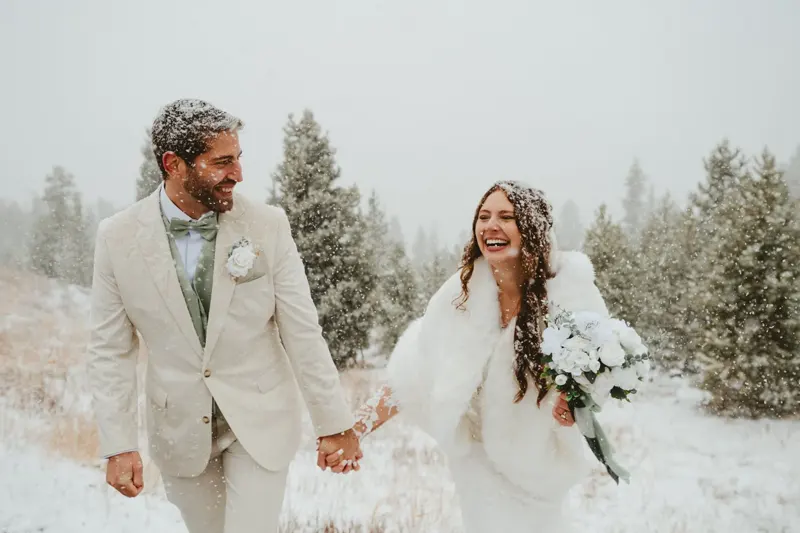
The Shoulder Seasons: April and November
April and November offer compelling value propositions for couples comfortable accepting increased weather variability and cooler temperatures.
April: Spring Emerging
April transitions from Mediterranean winter to spring with temperatures ranging 18-23°C (64-73°F) during daytime and 10-15°C (50-59°F) evenings. Rainfall averages 40-60mm monthly with 6-8 rainy days – meaningful precipitation but not constant. Sunshine increases to 8-9 hours daily. Weather variability characterizes April – some years deliver gorgeous spring warmth resembling May, others feel cooler and wetter with persistent clouds.
April advantages include significantly lower costs with venues offering 20-30% discounts from peak season pricing, excellent availability with minimal booking competition, spring flowers blooming beautifully for photography, and comfortable daytime temperatures when sun appears. The challenges center on weather unpredictability. Rain probability sits around 25-30% on any given day – not constant rain but meaningful risk requiring contingency planning. Cooler evening temperatures necessitate guest consideration – lightweight shawls or wraps for outdoor evening receptions, heated outdoor areas, or indoor reception options.
April works best for couples prioritizing budget savings over weather certainty, comfortable gambling on weather probabilities, and planning comprehensive indoor backup options. The month delivers gorgeous weddings when weather cooperates – and substantial cost savings regardless.
Ramarossi recommendation: April suits budget-focused couples accepting weather variables. Late April superior to early April as spring firmly establishes. Mandatory indoor ceremony and reception backup plans. Not recommended for couples requiring weather certainty or guests very sensitive to cooler temperatures.
November: Autumn Extension
November extends autumn with temperatures cooling to 18-23°C (64-73°F) early month and 15-20°C (59-68°F) late November. Evening temperatures drop to 10-15°C (50-59°F). Rainfall increases substantially – averaging 100-140mm monthly with 8-10 rainy days. Sunshine decreases to 6-7 hours daily. Weather becomes genuinely unpredictable – lovely sunny periods alternate with rainy spells and overcast days.
November advantages include maximum cost savings with lowest annual pricing, essentially zero booking competition allowing venue choice, and pleasant daytime temperatures when clear. Early November occasionally delivers beautiful late-autumn weather continuing October’s pleasant conditions. The challenges intensify compared to April – rain probability reaches 35-40% on any given day with longer-lasting storms rather than brief showers. Cooler temperatures require heating solutions for outdoor evening events or full indoor reception planning. Photography becomes more challenging with reduced daylight hours and frequent overcast conditions diminishing natural light.
November suits couples who genuinely prefer autumn atmosphere, prioritize dramatic budget savings over weather, and embrace indoor celebration aesthetics. The month can deliver lovely weddings but requires accepting that outdoor plans face substantial weather risk.
Ramarossi recommendation: November for maximum budget savings and couples genuinely comfortable with weather uncertainty. Early November preferable to late November. Essential indoor venues for both ceremony and reception. Consider whether October’s better weather justifies slightly higher costs.
The Off-Season: December Through March
Winter months in Antalya, Turkey see minimal destination wedding activity for understandable reasons. Temperatures range 12-18°C (54-64°F) daytime and 6-12°C (43-54°F) evenings. Rainfall increases substantially with 100-160mm monthly and 10-14 rainy days. Overcast conditions dominate. Daylight hours shrink dramatically to 9-10 hours daily.
These months require fully indoor weddings with heating and essentially abandon outdoor ceremony aspirations. Weather conditions don’t reliably support Mediterranean destination wedding expectations. The limited daylight, frequent rain, cool temperatures, and gray skies that characterize winter Mediterranean climate don’t showcase Antalya’s beauty effectively.
Ramarossi rarely recommends December through March for destination weddings unless couples have specific reasons – anniversary dates, unavoidable scheduling constraints, or genuine preference for winter aesthetics. The cost savings don’t justify the weather compromises for most destination wedding couples seeking Mediterranean sunshine.
How Season Affects Pricing and Availability
Venue pricing and availability fluctuate dramatically across seasons in Antalya, Turkey.
Peak season pricing (May, June, September, October) represents full retail rates. Venues charge maximum prices and book early – typically 12-18 months ahead for prime weekends. A wedding costing €18,000 in peak season might cost €22,000 if booked last-minute due to limited availability forcing venue compromises.
High summer pricing (July, August) sometimes matches peak season, sometimes offers slight discounts. Availability fluctuates – Europeans vacation in Turkey during these months, creating hotel demand that competes with wedding bookings. Some venues actually prefer wedding business to hotel business and maintain peak pricing. Others discount late July and August to attract destination weddings as European holiday season wanes.
Shoulder season pricing (April, November) drops 20-30% below peak season rates. A €18,000 peak season wedding might cost €13,000-€14,500 in shoulder months – substantial savings. Availability improves dramatically with booking windows shortening to 6-9 months rather than 12-18 months for comparable venue quality and preferred dates.
Off-season pricing (December-March) offers maximum discounts of 35-45% below peak season, but limited venue participation means fewer options. Many boutique wedding venues close or focus on local business during winter. The venues remaining open discount aggressively but selection narrows.
Frequently Asked Questions
What’s the absolute best month for weather in Antalya?
May and September tie as optimal weather months. May offers spring beauty with blooming gardens, comfortable 23-28°C temperatures, minimal rain risk around 10%, and long daylight hours. September provides post-summer warmth at 24-32°C with equally minimal rain, warm Mediterranean Sea for swimming, and sustained summer atmosphere without July-August heat extremes. The choice between them depends on preference for spring versus late summer aesthetics and whether Mediterranean swimming matters. Both months deliver outstanding weather reliability, guest comfort across all age groups, and beautiful photography conditions. October follows closely behind these two, particularly early October which maintains September-like conditions. June works beautifully for evening weddings but afternoon heat becomes challenging. If forced to choose single best month considering all factors, Ramarossi recommends May for overall weather perfection combined with beautiful spring scenery, or September for couples prioritizing warm-weather swimming and sustained summer energy.
Should we avoid July and August entirely?
Not necessarily, but understand the heat implications. July-August heat isn’t dangerous when properly managed but does significantly impact guest comfort. If your guest list includes many elderly attendees, young children, guests with health conditions affected by heat, or people generally heat-sensitive, July-August creates genuine challenges. If your crowd is young, healthy, heat-tolerant, and enthusiastic about peak summer atmosphere, July-August delivers guaranteed sunshine and vibrant energy. The key is honest assessment of your specific guests rather than abstract heat tolerance. Also consider dress code – formal black-tie affairs in July heat are genuinely oppressive, while relaxed semi-formal attire in breathable fabrics works much better. July-August weddings succeed beautifully when couples schedule evening ceremonies starting 6:30pm or later, provide extensive shaded or air-conditioned cocktail spaces, ensure ample water and cooling stations, and set realistic expectations with guests about summer heat. Late August improves over July with slight temperature moderation. If considering these months, weigh whether September’s dramatically improved comfort justifies waiting a few weeks.
How much can we save booking shoulder season versus peak season?
Shoulder season weddings (April, November) typically save 20-30% compared to peak season (May, June, September, October) pricing for equivalent venues and services. A peak season wedding costing €20,000 might cost €14,000-€16,000 in shoulder months – savings of €4,000-€6,000 that can fund videography, upgraded photography packages, welcome dinners, or simply reduce overall costs. The savings apply across all vendors – venues discount most dramatically, but catering, photography, and coordination services often reduce rates as well during slower months. These savings can transform budgets, allowing couples to book better venues or add services that seemed unaffordable at peak season pricing. However, savings come with trade-offs. April and November bring increased rain probability around 25-35%, cooler temperatures requiring guest comfort considerations, and reduced daylight hours affecting photography and event timing. The question becomes whether those savings justify accepting weather uncertainty and planning comprehensive indoor backup arrangements. For budget-conscious couples comfortable with weather variables and emphasizing guest experience over guaranteed sunshine, shoulder season delivers excellent value. For couples prioritizing weather certainty above cost optimization, peak season’s premium pricing buys substantial peace of mind.
What if it rains on our wedding day?
Rain happens occasionally even in peak season, and preparation matters more than probability. Every Ramarossi wedding includes contingency planning regardless of month. For outdoor ceremonies, this means identifying covered or indoor backup locations at your venue, planning ceremony timing allowing weather decision points, and having clear communication protocols with vendors about activating backup plans. For receptions, covered outdoor areas with clear-top tenting, retractable roof systems, or full indoor options provide weather protection while maintaining open-air atmosphere when conditions cooperate. The key is having genuine backup plans, not just hoping weather cooperates. Peak season months (May, June, September) have minimal rain risk but aren’t rain-proof – perhaps 5-10% probability. When rain does occur, couples with proper contingencies simply activate plan B and celebrate beautifully indoors or under cover. Couples without contingencies face genuine stress and potentially compromised celebrations. Shoulder months (April, October, November) increase rain probability to 20-40% making backup plans absolutely essential rather than precautionary. The investment in backup planning – whether that’s booking venues with indoor options, renting substantial tenting, or scheduling covered ceremony locations – provides massive peace of mind regardless of actual weather outcome.
Can we have beach weddings in October or November?
October yes with some considerations, November becomes challenging. Early October maintains September-like conditions – comfortable temperatures, minimal rainfall, and pleasant beach weather making beach ceremonies perfectly viable. Late October cools slightly and rain probability increases, but beach weddings remain feasible with contingency planning. November transitions toward winter with cooler temperatures, increased rain probability, and shorter daylight hours that complicate beach timing. The beach itself remains beautiful, but conditions become less reliably comfortable for extended beach ceremonies or receptions. If dreaming of beach wedding, optimal months are May through October with May, June, and September offering best combinations of weather reliability and comfortable beach conditions. October works beautifully early in the month but requires backup planning. November beach weddings face genuine weather challenges making covered or indoor venues more practical. The question isn’t whether beach weddings are physically possible in cooler months – they are – but whether conditions create the experience you’re envisioning. Beach weddings evoke warm sunshine, gentle breezes, and comfortable temperatures. When actual conditions involve 18°C weather, 40% rain probability, and cool evening temperatures, the beach setting doesn’t deliver expected atmosphere.
How far ahead should we book for our preferred month?
Peak season months (May, June, September, October) require 12-18 months advance booking for prime venue choices and preferred weekends, particularly Saturday dates. The most sought-after venues book earliest – 15-18 months ahead for May and September Saturdays. Weekday weddings allow slightly shorter booking windows of 10-14 months while maintaining good venue selection. High summer months (July, August) need 10-14 months advance booking, with late August sometimes available at 8-10 months notice. Shoulder season months (April, November) permit 6-9 month booking windows while still accessing quality venues. Emergency short-notice weddings (3-6 months away) might find availability in shoulder seasons but severely limit venue choices in peak months. The booking timeline reflects not just venue availability but also vendor coordination – photographers, hair and makeup artists, coordinators, and other professionals book simultaneously with venues. Longer planning timelines benefit vendor quality as you’re selecting from full rosters rather than whoever remains available. Additionally, early booking locks current pricing protecting against annual vendor rate increases of 5-8%. If you book 18 months ahead for a September 2026 wedding, you pay 2024 rates potentially saving hundreds of pounds versus booking in 2025 for 2026 weddings.
Do Mediterranean weather patterns change with climate change?
Climate patterns evolve gradually, with Mediterranean summers trending slightly warmer and shoulder seasons experiencing more weather variability over recent decades. July-August temperatures that previously peaked at 32-34°C now occasionally reach 36-38°C during heat waves, making heat-management strategies increasingly important for peak summer weddings. Spring and autumn shoulder seasons show increased precipitation variability – some years deliver picture-perfect weather while others see more frequent rainfall than historical averages would predict. These changes reinforce rather than contradict existing seasonal recommendations. Peak season months (May, June, September, October) remain optimal, though September’s slight cooling compared to historical patterns actually improves its already-excellent wedding weather profile. July-August require more aggressive heat management than perhaps necessary 20 years ago. Shoulder seasons benefit from backup planning that accounts for weather unpredictability that may be increasing. The fundamental seasonal patterns remain reliable – Mediterranean summer stays hot and dry, winter brings cooler temperatures and rain, spring and autumn serve as transitions. Climate change affects intensity and exact timing more than fundamental seasonal structure. Ramarossi monitors weather patterns annually and adjusts recommendations accordingly, but core seasonal advice from 15 years coordinating Antalya weddings remains sound.
Choosing your wedding month in Antalya, Turkey affects everything from guest comfort to costs to weather reliability. If you want detailed guidance about which specific dates work best for your priorities, guest demographics, and budget, Ramarossi provides personalized recommendations during consultations. A conversation about your ideal celebration timeline and practical constraints costs nothing – and ensures you choose dates that deliver the experience you’re envisioning.