
Persian Wedding Gifts: Traditions, Etiquette and Ideas From Khastegari to the Aroosi
Who gives what at each stage of a Persian wedding, what guests can bring, how to choose favours, and how to look after gold, cash and presents at a destination wedding in Antalya.
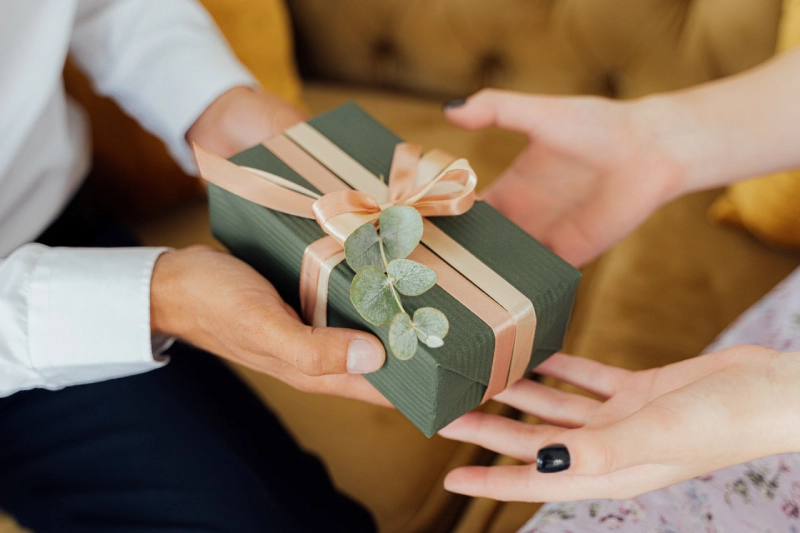
Persian wedding gifts mark every step on the road to marriage, from the sweets a suitor’s family carries to the first formal visit to the gold and envelopes pressed into the couple’s hands once the Aghd is signed.
Each present tells you who is giving and at which stage, so the etiquette becomes easy to follow once you see the whole sequence. This guide from Ramarossi sets out the family customs, what guests can give, ideas for favours and the practical side of bringing gifts to a wedding in Antalya, Turkey. Customs differ between regions and between households, so use it as a starting point for a conversation with your elders rather than a list of obligations.
Persian Wedding Gifts at Every Stage
The table follows the presents in the order they appear. Not every family holds every occasion, and several can be folded into one evening when relatives fly in for a celebration abroad.
The groom’s family, visiting the bride’s home
Flowers and a box of sweets
The groom’s parents and family
A ring, sometimes other jewellery, with sweets and noghl
Family at the henna evening
Coins or gold placed in the bride’s hands before the henna
The bride’s family
Household goods for the couple’s new home, known as the jahizieh
The groom or his family, then close relatives
The zir-e lafzi and a jewellery set, followed by gold and money
Guests
Gold coins, money in a card or a chosen present
Relatives of both families
Presents for the newlyweds after the wedding
The groom
A gift for his mother-in-law the day after the wedding
| Stage | Who gives | Typical gift |
|---|---|---|
| Khastegari | The groom’s family, visiting the bride’s home | Flowers and a box of sweets |
| Baleh boroon and namzadi | The groom’s parents and family | A ring, sometimes other jewellery, with sweets and noghl |
| Hana bandan | Family at the henna evening | Coins or gold placed in the bride’s hands before the henna |
| Jahaz baran | The bride’s family | Household goods for the couple’s new home, known as the jahizieh |
| The Aghd | The groom or his family, then close relatives | The zir-e lafzi and a jewellery set, followed by gold and money |
| The aroosi | Guests | Gold coins, money in a card or a chosen present |
| Patakhti | Relatives of both families | Presents for the newlyweds after the wedding |
| Madarzan salam | The groom | A gift for his mother-in-law the day after the wedding |
Where your families come from shapes which of these you will see. A household from Tehran and one from the Caspian coast may give the same visit a different name, or skip it entirely, so ask the elders on both sides which customs matter to them before anyone starts shopping. The henna evening has its own guide, on hanabandan traditions.
Khastegari, Baleh Boroon and Namzadi
Khastegari is the formal call when the groom’s family come to ask for the bride’s hand. They arrive with flowers and sweets, and the bride’s side receive them with tea, fruit and pastries. The Encyclopaedia Iranica entry on ʿarūsī, the Iranian wedding celebration notes that serving sweets can itself be a quiet signal that the bride’s relatives welcome the match.
After the yes, the families meet again at baleh boroon to celebrate and settle the terms, and the groom’s parents give the bride a present, with a ring as the classic choice. Iranica records the man’s family once sending trays of candied sugar, shawls, a ring and further jewellery to the bride’s home, while a simpler version has the groom’s mother arriving with a gold ring, sweets and noghl. Namzadi, the engagement celebration, can bring another round of presents between the two households.
For a family travelling to a khastegari from abroad, the sweets carry real weight: choose a handsomely boxed selection from a Persian confectioner, such as gaz or sohan, and flowers the bride’s mother will enjoy. Our article on Persian engagement and wedding ceremonies explains how these occasions differ from the wedding itself.
Gifts From the Groom’s Family to the Bride
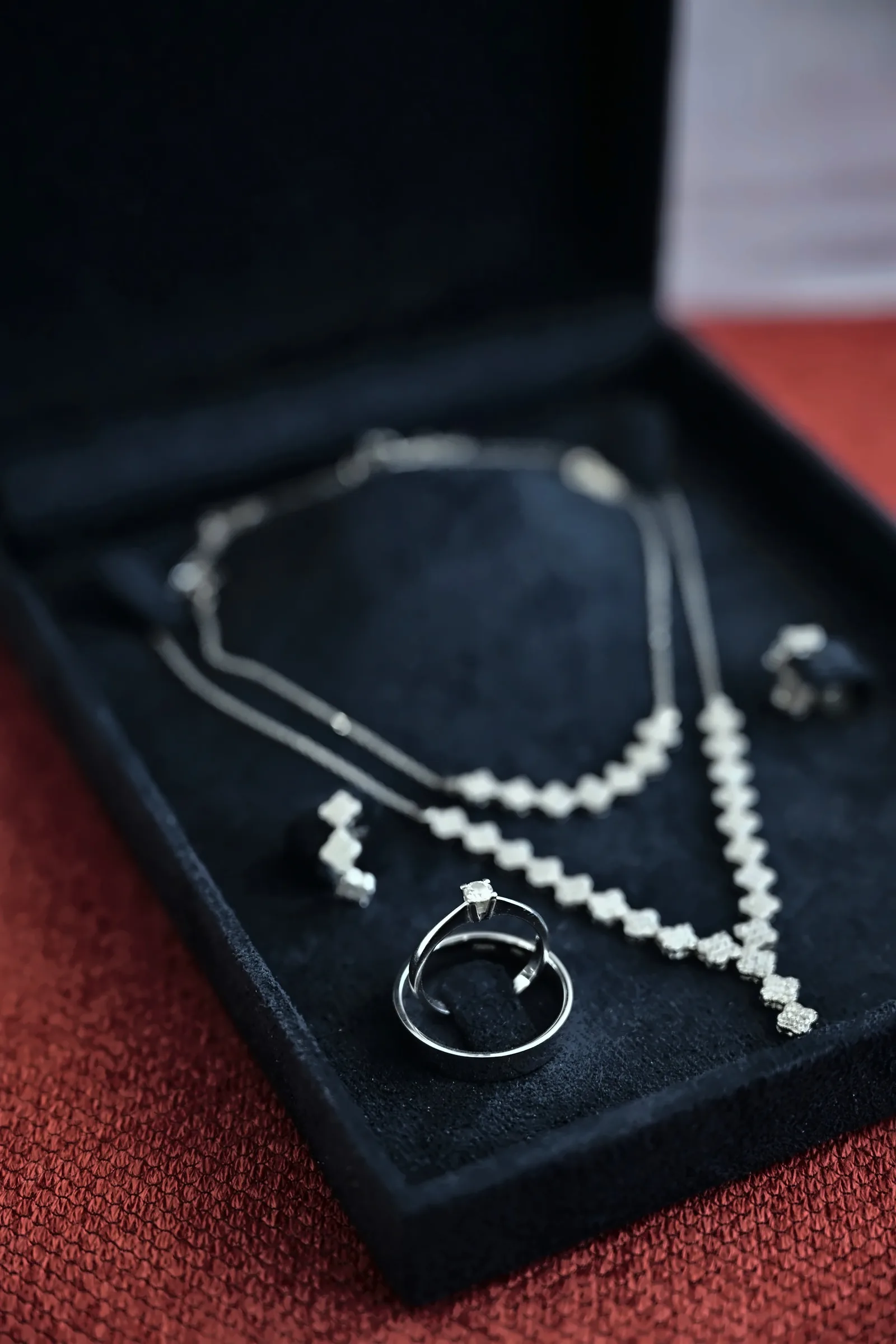
Jewellery sits at the heart of what the groom’s side gives. A set chosen by the groom or his family, for example a necklace with matching earrings and a bracelet, is presented to the bride when the marriage contract is signed. Gold is the traditional metal, sometimes set with diamonds or other stones, and couples may pick the set together on the day they buy their wedding rings.
Two smaller gifts carry lovely names. The zir-e lafzi is the present that coaxes out the bride’s yes: a gold coin, a ring or another piece of jewellery from the groom or his family, handed to her before she answers. The runama, meaning “displaying the face”, is jewellery the groom gives before he lifts his bride’s veil, a custom Iranica also records under the name rugosha.
When choosing the set, think about how the bride will wear it on the day. A heavy gold collar can compete with an embroidered neckline, while a lighter piece may suit a garden or beach ceremony in the Antalya sun. Our guide to Persian wedding jewellery has ideas on styles and heirloom pieces.
The Bride’s Side: Jahizieh and Gifts for the Groom
The bride’s family traditionally provide the jahizieh, the household goods that furnish the couple’s first home. Before the wedding these goods were carried to the groom’s house on decorated trays, a custom known as jahaz baran, and Iranica notes that families in Shiraz put the jahizieh on display together with the wedding presents. How families share these costs today, together with the mehrieh pledged in the marriage contract, is explored in a separate guide: who pays for a Persian wedding.
The groom receives gifts from his bride’s family too. A fine watch is the traditional choice, and cufflinks, a ring or a personal keepsake are equally welcome. At the Aghd itself the bride may hand the groom a present of her own in return for her jewellery.
For couples who already share a flat in London, Dubai or Toronto, a houseful of new furniture may make little sense. Families can turn the custom into a contribution towards a home, a work of art or one heirloom object, such as a hand-knotted Persian rug or a termeh cloth, which keeps the meaning without the shipping.
Gifts at the Aghd
The giving reaches its height straight after the Aghd. Once both have said yes, close relatives come up to kiss the couple and hand over gold jewellery, coins and cash. The mirror and candelabra that the groom’s side traditionally buys for the spread, and the coins and sweets placed on it, are explained in our Sofreh Aghd guide, so this section looks at handling the presents.
- A named guardian. A sibling or cousin who collects boxes and envelopes and keeps them together through the evening.
- A gift box. A lockable box or a decorated chest on a table near the couple, watched throughout.
- A safe for the night. Ask the hotel whether your room safe fits jewellery boxes, or whether reception can hold them.
- A simple record. One person notes who gave what, so thank-you messages are easy to write later.
- Time in the schedule. Leave room after the vows for congratulations before guests move on to drinks.
What to Give as a Guest
Gold and money are the presents Persian families know and value. A gold coin is a much-loved gift, and the Bahar Azadi coin is minted in full, half and quarter sizes as well as a small one-gram coin, so there is a size for every budget. Gold jewellery for the bride is another long-standing choice from aunts, grandmothers and close friends of the family.
Money in a card is just as welcome and far easier to carry. Put it in a good envelope with a handwritten message and give it in person after the ceremony, or leave it in the card box at the reception. Cash in the currency the couple use at home saves them an exchange, and a relative can tell you whether a bank transfer would suit them better.
If you would rather give an object, choose something lasting and beautiful: a hand-knotted rug or a termeh, a fine edition of the poems of Hafez, a Persian tea set, a minakari enamel or khatam inlay piece, quality tableware or a piece of art. Couples who live abroad may also share a gift list, which takes the guesswork away. Keep it light and unbreakable if you are flying, or arrange delivery to the couple’s home after the wedding.
Guests from a non-Persian family can follow exactly the same etiquette, and a warm card with money or a gift from the couple’s list is right for anyone. The gift customs of both traditions appear next to each other in our Persian and Western weddings comparison, and the dress code guide for Persian wedding guests covers what to wear. If you are carrying a large sum of cash or valuable gold, check the declaration rules of your own country before you fly, and read the Turkish Ministry of Culture and Tourism page on currency and valuables in Turkey, which explains registering high-value jewellery on arrival so it can leave with you again. Keep the jeweller’s receipt.
Wedding Favours for Guests
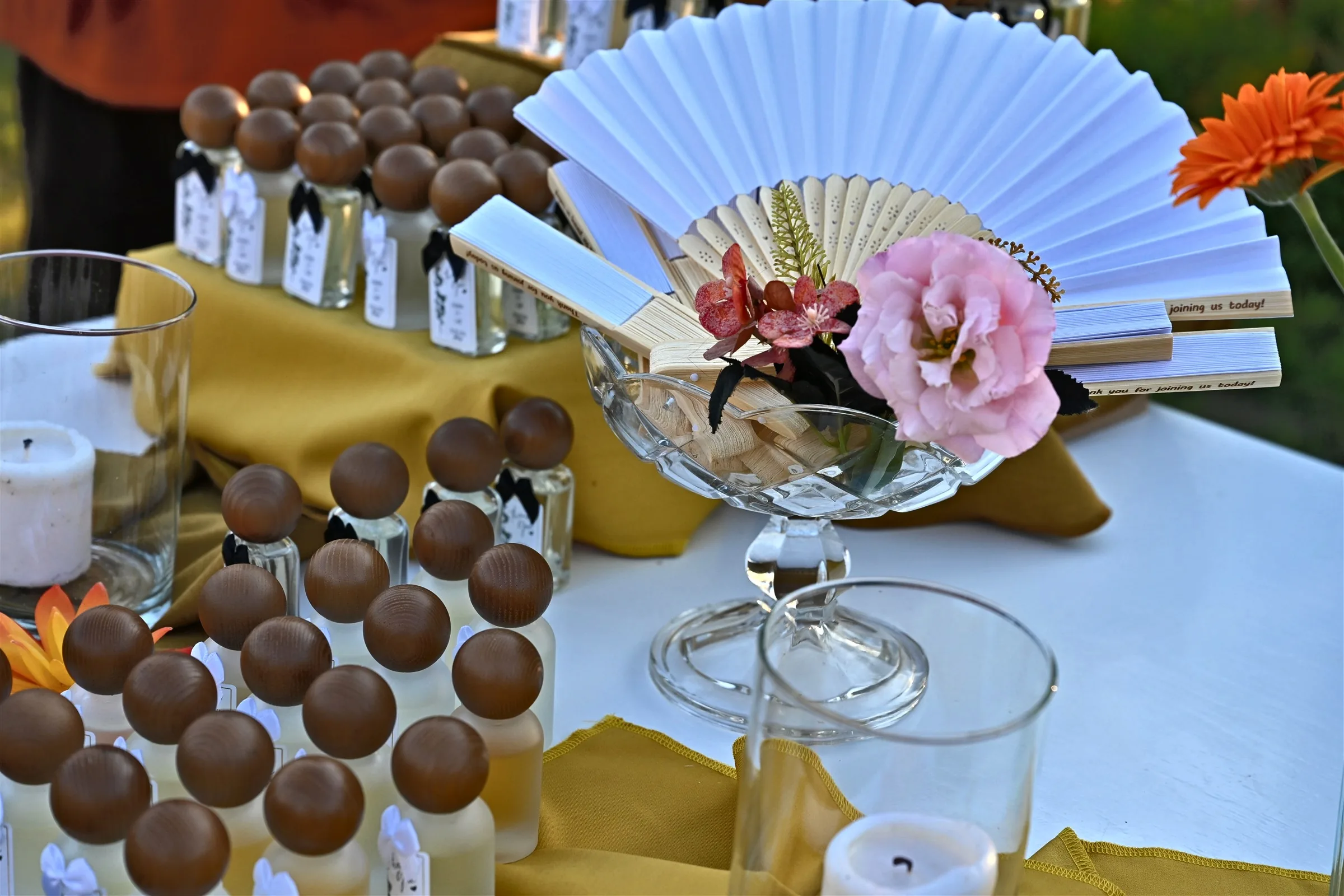
The classic Persian favour is noghl, almonds coated in sugar and rose water, the same sweets showered over the couple for luck. Iranica’s entry on the ʿaqd marriage ceremony mentions small tulle-wrapped bundles of noghl prepared so each guest can take one home, a modern touch that travels well to a wedding abroad.
Nabat, the Persian rock sugar, can share the same little pouch of satin or lace. Other ideas include chocolates or truffles, small boxes of Persian sweets, a miniature bottle of rose water or a folding fan for a summer ceremony. Our page on gifts and wedding favours has more general ideas for choosing presents and keepsakes.
If you plan to bring favours from home, work through these points in order:
- Decide where to source them. Turkish delight, chocolates and boxes can be found in Antalya, which saves suitcase space.
- Check the rules. Ask your airline and check Turkish customs guidance on carrying food, and keep the labels on commercial packaging.
- Pack for the heat. Sugar-coated sweets travel well in rigid boxes; chocolate softens in summer, so store it somewhere cool on arrival.
- Assemble early. Tie the tulle bundles before you fly, or set aside an afternoon at the hotel with friends.
- Agree the set-up. Ask the venue where the favours can be stored and who will lay them out at the reception.
Gifts for Parents and the Wedding Party
Thanking the people around you is part of the giving. In the custom of madarzan salam, the groom visits his mother-in-law the day after the wedding with a present. At a destination wedding that visit can become a quiet breakfast with both mothers before the farewell brunch.
Parents on both sides can receive something personal, such as a framed verse of Persian poetry in calligraphy, an album of the day or a piece of jewellery for each mother. The unmarried relatives and friends who hold the cloth during the Aghd, and the bridesmaids, can each receive a small piece of jewellery or a keepsake to wear on the day.
Some families also hold a patakhti, a gathering after the wedding where relatives bring presents to the newlyweds. When everyone has travelled to Turkey, a lunch or brunch the day after can take on that role, and it gives older relatives a calm moment to present their gifts away from the dance floor.
Planning Gifts for a Persian Wedding in Antalya
A destination wedding changes the logistics far more than the customs. Ramarossi plans Persian weddings across the Turkish Riviera, and these are the gift questions worth settling before anyone books a flight. Venues, seasons and guest travel are covered in our overview of a wedding in Antalya.
Before the trip. Engagement presents, the jewellery set and the jahizieh can be exchanged at home, leaving only the Aghd and reception gifts for the wedding weekend.
On the day. Agree a gift table and card box with the venue, and decide who carries them to a safe when the reception ends.
Going home. Keep gold and jewellery in hand luggage with their receipts, and ship larger objects or ask guests to send them to the couple’s home address.
Telling guests. A short note on the wedding website saying that nobody needs to fly with bulky presents is a kindness to every traveller.
Tell us about the customs you want to keep
Write to Ramarossi with your dates, guest count and the family traditions that matter to you, from the Aghd to the favours, and we will come back with ideas for your celebration.
Prefer another email service? Write to info@ramarossi.com using Antalya Wedding Enquiry as the subject.
Follow our celebrations
Discover beautiful weddings, private events, styling ideas and behind-the-scenes moments from Ramarossi in Turkey.
Frequently Asked Questions
What are traditional Persian wedding gifts?
Sweets and flowers at the khastegari visit, a ring at baleh boroon, a gold jewellery set from the groom’s side, household goods from the bride’s family, and gold coins, jewellery or money from relatives and guests after the Aghd.
What should I give as a guest at a Persian wedding?
Money in a card or a gold coin is welcome from any guest. If you prefer an object, choose something lasting, such as a rug, a fine book of poetry or quality tableware, and arrange delivery if you are flying.
What is zir-e lafzi?
A present from the groom or his family, a gold coin or jewellery for instance, handed to the bride at the Aghd before she gives her yes.
What does the groom’s family give the bride?
A ring at baleh boroon, then a jewellery set presented when the marriage contract is signed. Some families add a runama, jewellery the groom gives before he lifts the veil.
What are Persian wedding favours?
Noghl, almonds coated in sugar and rose water, wrapped in small tulle bundles so each guest can take some home. Chocolates, Persian sweets and small keepsake boxes are lovely alternatives.
Can we bring wedding favours from home to Antalya?
You can, once you have checked what food your airline and Turkish customs allow. Pack them in rigid boxes and keep chocolate cool. Chocolates and Turkish delight can also be sourced in Antalya.
What is a patakhti?
A gathering after the wedding where relatives bring presents to the newlyweds. At a destination wedding, a brunch or lunch the day after can play the same role.