


Luxury wedding celebration and Islamic observance combine seamlessly when planners understand that sophistication derives from quality, creativity, and attention to detail rather than alcohol presence. The persistent assumption that elegant celebrations require wine pairings, champagne toasts, and open bars reflects Western wedding industry conventions that do not translate to Muslim couples’ values or preferences. Creating truly luxurious halal weddings demands reimagining every celebration element, from beverage programming through entertainment structure, to deliver refinement that respects religious principles while exceeding aesthetic and experiential expectations.
Turkey’s position as a Muslim-majority country with sophisticated hospitality infrastructure provides ideal context for halal luxury weddings. Antalya’s five-star resort properties understand Islamic wedding requirements as standard practice rather than special accommodation, implementing halal catering, prayer facilities, and alcohol-free celebrations with the same professional execution they apply to any premium event. This cultural alignment allows Muslim couples to plan weddings where their religious observance feels natural and integrated rather than restrictive or apologetic.
The following guidance demonstrates how to curate sophisticated halal weddings that rival any luxury celebration worldwide, regardless of alcohol presence. Ramarossi’s extensive experience with Gulf Arab, Persian, Pakistani, and international Muslim couples provides the foundation for this approach, translating 15 years of refined halal celebration planning into actionable strategies for couples seeking both religious compliance and uncompromising elegance.
Sophisticated Non-Alcoholic Beverage Programming
Luxury celebrations require thoughtful beverage curation that provides sensory interest, ceremonial moments, and social lubrication traditionally associated with wine and cocktails. Non-alcoholic programmes achieve these goals through creativity, quality ingredients, and presentation sophistication that elevates beverages from functional refreshment to celebratory experiences.
Premium Mocktail Programmes and Signature Drinks
Contemporary mocktail craft rivals traditional cocktail complexity, utilising fresh herbs, house-made syrups, exotic fruit combinations, and molecular gastronomy techniques to create sophisticated flavour profiles. Luxury halal weddings should feature signature mocktails developed specifically for the celebration, incorporating cultural elements or couple preferences into custom recipes that guests remember as distinctive to the event.
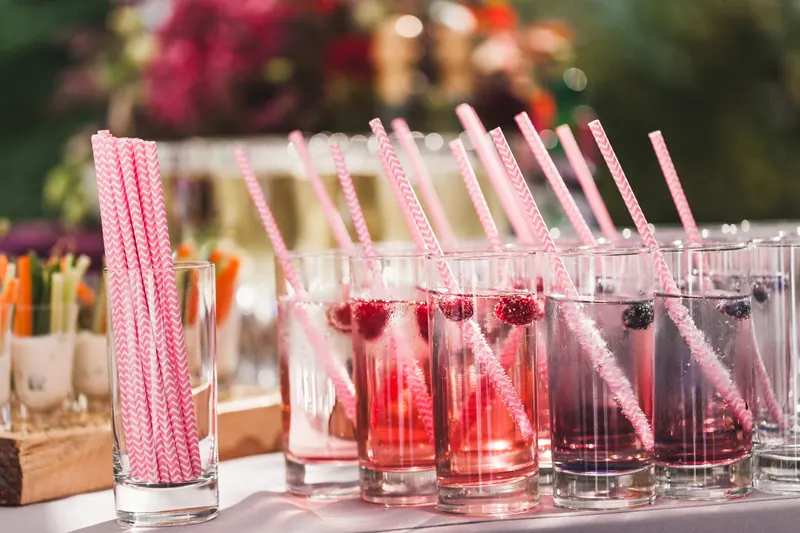
Premium mocktail examples include rose and cardamom spritzers with edible flowers and gold leaf, reflecting Middle Eastern aesthetic preferences while delivering visual drama. Pomegranate and mint refreshers with fresh lime and sparkling water provide vibrant colour and complex flavour balancing sweet, tart, and herbal notes. Saffron and orange blossom lemonade incorporates luxury ingredients in familiar formats. Cucumber and elderflower tonics deliver subtle sophistication appealing to guests preferring delicate flavours. Virgin mojitos, passion fruit sparklers, and ginger-turmeric wellness drinks round out diverse menus accommodating various taste preferences.
Presentation elevates mocktails from soft drinks to luxury beverages. Crystal glassware, fresh herb garnishes, edible flowers, specialty ice cubes containing herbs or fruits, and creative serving vessels like copper mugs or vintage coupes create visual impact matching alcoholic cocktail presentations. Professional mixologists dedicated to mocktail service ensure proper technique, consistent quality, and engaging guest interaction during cocktail hours.
Turkish resorts increasingly invest in premium non-alcoholic beverage programmes as Gulf Arab and observant Muslim clientele grows. Properties like Regnum Carya and Maxx Royal Belek now maintain dedicated mocktail menus developed by professional beverage directors, using imported ingredients and sophisticated preparation methods. Couples should request detailed beverage proposals during venue selection, evaluating whether properties demonstrate genuine mocktail expertise or simply plan to serve fruit juices and sodas.
Cultural Beverage Traditions and Ceremonial Service
Traditional beverages from Islamic cultures provide authentic sophistication while honouring heritage. Persian sharbat, concentrated fruit syrups mixed with ice water or sparkling water, feature rosewater, sour cherry, pomegranate, or saffron flavours served in ornate glasses. Turkish sherbet traditions offer similar preparations with regional variations. Arabic jallab, made from date molasses, rose water, and pine nuts, provides rich ceremonial beverage suitable for toasting moments. Turkish tea and coffee service, presented with proper ceremony and traditional vessels, creates cultural authenticity particularly during post-ceremony receptions or late-night sweet service.
Ceremonial beverage service replaces champagne toasts with culturally meaningful alternatives. Rose water and honey drinks served in crystal flutes provide visual similarity to champagne toasts while delivering symbolic sweetness for the couple’s future. Fresh pomegranate juice in elegant glassware references fertility and abundance symbolism across Middle Eastern cultures. Couples can create signature ceremonial drinks incorporating family recipes or regional specialities from their heritage, transforming standard toasting moments into personalised cultural expressions.
Premium Coffee and Tea Programmes
Coffee and tea service deserve the same attention typically reserved for wine programmes in Western celebrations. Specialty coffee bars offering Turkish coffee, Arabic coffee with cardamom, espresso drinks, and cold brew options create sophisticated beverage experiences throughout celebrations. Tea programmes should include premium loose-leaf varieties, traditional preparations like Moroccan mint tea or Persian tea with rock candy, and contemporary options like matcha or specialty herbal blends.
Late-night coffee and tea service particularly suits Muslim wedding timelines, where celebrations often extend past midnight. Creating elegant coffee lounges with specialty brewing methods, beautiful presentation, and comfortable seating areas provides gathering spaces for conversation and continued celebration as dancing energy naturally ebbs. This approach mirrors after-dinner drink culture in alcoholic weddings but centres coffee and tea expertise rather than digestifs and nightcaps.
Halal Cuisine Excellence and Gourmet Muslim Catering
Turkey’s position as a Muslim-majority country means halal catering represents the standard rather than special accommodation, with every resort kitchen operating according to Islamic dietary requirements. This fundamental advantage allows Muslim couples to focus on cuisine quality and presentation rather than basic compliance verification that complicates halal wedding planning in Western countries.
Contemporary Turkish Fine Dining
Modern Turkish cuisine evolved beyond traditional preparations to incorporate molecular gastronomy, contemporary plating aesthetics, and international influences while maintaining cultural authenticity. Luxury halal weddings benefit from this culinary sophistication, serving menus that rival any Michelin-starred restaurant while ensuring complete halal compliance.
Contemporary Turkish wedding menus might feature slow-braised lamb shoulder with pomegranate reduction and herb oil, demonstrating refinement in familiar proteins. Whole roasted sea bass with fennel, citrus, and olive tapenade showcases Mediterranean influence. Beef tenderloin with truffle mushroom duxelles and potato terrine provides international luxury adapted to halal requirements. Vegetarian options like stuffed aubergine with walnut and pomegranate, heirloom tomato carpaccio with basil oil and microgreens, or wild mushroom risotto with saffron deliver sophistication without relying on meat proteins.
Presentation elevates dishes to luxury status through precise plating, artistic garnishes, and thoughtful composition. Couples should request plating examples during menu planning, evaluating whether resort chefs demonstrate contemporary presentation skills or default to traditional buffet-style service. Plated dinner service, while more expensive than buffet formats, substantially increases perceived luxury and ensures consistent guest experience across all tables.
Regional Islamic Cuisine Integration
Couples from specific cultural backgrounds benefit from incorporating authentic regional cuisine alongside Turkish preparations, creating menus that honour heritage while showcasing destination location. Gulf Arab couples might include mezze selections, grilled meats with Arabic spice profiles, and traditional rice preparations like kabsa or mandi. Persian couples can feature sophisticated stews like fesenjan or ghormeh sabzi, jewelled rice preparations, and herb-forward dishes. Pakistani couples benefit from biryani, various kebab preparations, and regional curry specialities.
Successfully executing authentic regional cuisine requires advance planning and potentially importing specialty chefs who understand specific techniques. Turkish resort chefs demonstrate varying capability with non-Turkish Islamic cuisines, requiring menu testing and recipe development six to eight months before weddings. The investment in authentic regional cuisine proves worthwhile for families where food represents cultural priority, as guest satisfaction with catering quality significantly impacts overall wedding perception.
Interactive Culinary Experiences and Live Stations
Live cooking stations create entertainment value while ensuring food freshness and quality. Luxury halal weddings benefit from various interactive food experiences including mezze bars where chefs assemble custom appetiser plates with hummus variations, baba ghanoush, muhammara, and fresh vegetables. Kebab stations feature various grilled preparations with guests selecting proteins, marinades, and accompaniments. Pasta stations allow customisation with halal proteins and vegetables. Dessert stations showcase traditional sweets like baklava, kunefe, or regional specialities alongside contemporary options.
These interactive elements provide visual interest and guest engagement that bar culture typically creates in alcohol-inclusive weddings, redistributing celebration energy toward food appreciation and culinary discovery. Live stations require additional staffing and coordination but deliver memorable experiences that distinguish luxury halal celebrations from standard catering service.
High Fashion, Modest Elegance, and Contemporary Muslim Style
Modest fashion evolved dramatically over the past decade, with Muslim designers and international luxury houses creating sophisticated options that maintain Islamic modesty requirements while delivering runway-worthy aesthetics. Halal luxury weddings showcase this evolution, demonstrating that religious observance and high fashion coexist beautifully when couples access appropriate designers and stylistic guidance.
Bridal Fashion for Modest Luxury Celebrations
Contemporary modest bridal fashion offers extraordinary range, from traditional cultural dress executed in luxury fabrics to modern gowns incorporating sleeve coverage, higher necklines, and strategic draping that maintains elegance while respecting modesty preferences. Turkish designers particularly excel at modest luxury bridal fashion, given the country’s position bridging Islamic tradition and European fashion influence.
Istanbul hosts numerous ateliers specialising in modest bridal couture, offering custom design services incorporating lace, beading, embroidery, and luxury fabric selections rivalling any international bridal house. Designers like Raisa Vanessa, Nihan Peker, and international modest fashion brands provide options ranging from classic ballgowns with long sleeves to contemporary minimalist silhouettes emphasising architectural draping and fabric quality over embellishment. Brides wanting traditional cultural dress like embellished abayas, kaftans, or lehenga-inspired gowns with appropriate coverage find Turkish designers comfortable adapting various Islamic cultural aesthetics.
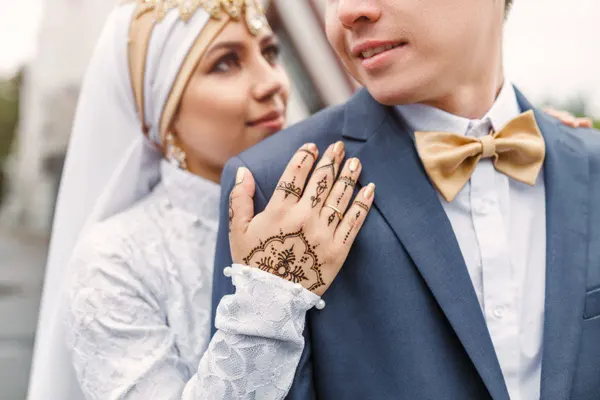
Hijab styling for brides requires particular expertise, transforming everyday modest covering into high-fashion bridal statements through luxury fabrics, sophisticated draping techniques, and embellishment integration. Professional hijab stylists in Istanbul and Antalya demonstrate skills matching international bridal hair styling, creating volume, movement, and visual drama while maintaining proper coverage. Bridal hijabs often incorporate Swarovski crystals, pearl details, delicate embroidery, or luxury lace, elevating simple fabric to ceremonial statements.
Many Muslim brides change outfits multiple times throughout celebrations, beginning with ceremony coverage that might include head covering and long sleeves, transitioning to lighter coverage for female-only portions if gender separation occurs, and potentially changing again for mixed-gender reception dancing. This approach allows fashion variety while respecting different family members’ comfort levels with various modesty interpretations.
Guest Fashion and Celebration Aesthetics
Setting aesthetic tone for halal luxury weddings requires clear communication about dress expectations. Some couples embrace fully modest dress codes with explicit guidance that women should cover shoulders, wear long hemlines, and potentially cover hair depending on family religious observance. Others request modest formalwear without specific religious requirements, leaving interpretation to guest preference. Clear invitation communication prevents awkward situations where guests arrive uncertain about appropriate attire.
Contemporary modest formal fashion provides stunning options for wedding guests, with Middle Eastern designers and international luxury brands now offering evening wear incorporating sleeve coverage, appropriate necklines, and elegant proportions without sacrificing sophistication. Turkish shopping, particularly in Istanbul’s luxury districts, provides excellent options for guests wanting to purchase celebration attire during travel, with sales staff experienced in modest styling and cultural requirements.
Décor aesthetics for halal luxury weddings often emphasise opulence, colour saturation, and abundant detail reflecting Middle Eastern and South Asian aesthetic preferences. This contrasts with minimalist Scandinavian aesthetics dominating Western luxury weddings, instead embracing maximalist approaches with extensive floral installations, rich fabric draping, metallic accents in gold or rose gold, and layered textures creating visual richness. This aesthetic alignment suits Muslim couples’ cultural preferences while delivering unmistakable luxury through material quality and execution precision rather than trendy minimalism.
Entertainment Structures for Non-Alcoholic Celebrations
Western wedding entertainment typically assumes progressive intoxication where dancing enthusiasm increases proportionally with alcohol consumption. Halal weddings require alternative entertainment structures that generate energy, encourage participation, and create memorable experiences without relying on alcohol’s social lubricant effects.
Cultural Entertainment and Live Performance
Traditional cultural entertainment provides natural fits for halal celebrations, centring artistic performance and cultural pride rather than alcohol-fuelled dancing. Professional dabke troupes for Levantine couples, Persian classical musicians for Iranian weddings, or South Asian qawwali singers create sophisticated entertainment drawing from cultural heritage. These performances provide structured programme elements that engage guests through appreciation rather than participation, suitable for mixed-age celebrations including elderly relatives and children.
Contemporary Islamic nasheed groups blend traditional acapella vocals with modern production, creating uplifting music explicitly designed for halal celebrations. High-quality nasheed performance rivals any musical entertainment while maintaining religious appropriateness, with some groups incorporating light percussion instruments and contemporary arrangements that appeal to younger guests while respecting elder preferences.
Many Muslim couples create multi-phase entertainment structures combining various elements across celebration duration. Early evening might feature cultural performances or live traditional music during dinner service, transitioning to DJ-led dancing for younger guests in later evening, potentially with gender-separated dance portions if families prefer this approach. This variety maintains energy while respecting diverse guest preferences and comfort levels.
Modern Music and Dancing in Halal Contexts
Dancing at halal weddings ranges from fully mixed-gender open dancing to completely separated male and female dance areas, with infinite variations between these poles based on couple and family preferences. Turkish resort venues accommodate all approaches, providing multiple spaces that allow simultaneous activities in different areas if gender separation applies, or unified dance floors for couples preferring integrated celebration.
Music selection for halal celebrations typically avoids explicitly sexual lyrics or themes while embracing upbeat contemporary music, traditional cultural songs, and Arabic, Persian, Turkish, or Urdu pop music depending on couple backgrounds. Professional DJs experienced with Muslim weddings understand these parameters, curating playlists that maintain energy and encourage dancing without crossing religious boundaries families might enforce.
Alternative activities supplement or replace dancing for guests uninterested in dance floors. Outdoor lounge areas with coffee service, dessert bars with extensive sweet selections, photo opportunity installations with professional lighting, or even cigar lounges for male guests create gathering spaces with conversation-focused atmospheres. These alternatives prevent celebrations from feeling exclusively youth-focused, providing appropriate entertainment options for relatives spanning multiple generations.
Gender Dynamics and Celebration Structure Options
Muslim couples demonstrate enormous variation in gender separation preferences, from completely integrated celebrations where men and women mix freely throughout events, to fully separated celebrations with distinct male and female spaces, to flexible approaches allowing mixing during certain portions while separating for others. Turkish resort infrastructure accommodates all preferences without judgement or inconvenience.
Integrated Celebrations with Cultural Sensitivity
Many contemporary Muslim couples prefer integrated celebrations where guests mix naturally across gender while maintaining appropriate behaviour and dress standards. This approach simplifies logistics, creates unified celebration energy, and reflects couples’ modern lifestyles while respecting religious principles through other means like alcohol absence, modest dress codes, and appropriate music selection.
Integrated celebrations still benefit from thoughtful design acknowledging conservative family members’ potential discomfort. Seating arrangements might cluster more traditional relatives together in areas with clear sightlines to ceremony or head table but somewhat removed from dance floor proximity. Lounge areas provide gathering options for relatives preferring conversation over dancing. Clear communication about celebration structure in advance helps conservative relatives understand what to expect and make informed attendance decisions.
Partial or Full Gender Separation
Families preferring gender separation benefit from Turkish venues’ experience implementing these structures for Gulf Arab couples who commonly request separated celebrations. Full separation requires properties with multiple ballrooms or distinct event spaces allowing simultaneous male and female celebrations with separate catering, entertainment, and coordination. Partial separation might integrate genders for ceremony and dinner while separating for dancing portions, or maintain integration except during specific cultural performances where tradition expects separation.
Gender-separated celebrations allow women to remove hijabs and enjoy greater fashion freedom in female-only spaces, creating different energy than mixed celebrations where modesty maintenance constrains some guests’ comfort and expression. This freedom particularly matters for brides wanting to showcase elaborate styling and gowns to female relatives and friends without maintaining head covering throughout celebrations.
Logistics for separated celebrations require careful planning ensuring both spaces receive equal attention and quality. Some couples create asymmetric structures where female celebration receives more elaborate décor and entertainment while male side offers simpler setup, reflecting where couple and families focus their priorities. Clear vendor communication ensures photographers, videographers, and coordinators cover both spaces appropriately and capture important moments regardless of where they occur.
Halal Luxury Wedding Pricing in Antalya 2026-2027
Halal wedding pricing at Turkish resorts often provides cost advantages compared to alcohol-inclusive packages, as removing alcohol allocation reduces one significant expense category. However, luxury halal celebrations reinvest these savings into enhanced food quality, premium non-alcoholic beverage programmes, additional entertainment, and elaborate décor, resulting in total costs comparable to alcohol-inclusive celebrations of equivalent quality.
Standard Halal Package: 100 Guests, 2026 Pricing
For 100 guests at four-star beach resort properties with halal requirements, base packages cost €32,500 in 2026. This includes beachfront ceremony location, ballroom reception space, complete halal catering with extensive buffet or plated service, premium non-alcoholic beverage programme including signature mocktails and traditional drinks, professional photography, wedding day coordination, and foundational décor with ceremony and reception setup.
Enhancements that luxury-focused couples typically add include videography at €3,500 to €5,000, premium cultural entertainment such as dabke troupes or nasheed performers at €2,500 to €5,000, professional DJ services at €1,500 to €3,000, enhanced floral design at €4,000 to €8,000, hair and makeup for bride with hijab styling expertise at €1,200 to €1,800, upgraded non-alcoholic beverage programme with specialty coffee bar at €1,500 to €2,500, and interactive food stations beyond base catering at €2,000 to €4,000.
Total investment for 100-guest halal celebration with luxury enhancements ranges from €48,700 to €62,300, averaging €55,500. This provides sophisticated celebration with cultural authenticity and quality execution, representing substantial savings compared to equivalent halal weddings in Gulf cities where venue costs alone often exceed total Turkish investment.
Luxury Halal Package: 120 Guests, 2027 Pricing
Premium halal celebrations for 120 guests at five-star deluxe properties in 2027 begin with base packages of €79,200 to €82,800. These include exclusive resort access, gourmet halal catering with regional cuisine integration and potential imported chef collaboration, extensive custom décor with Middle Eastern or South Asian aesthetic alignment, professional photography and videography, comprehensive entertainment coordination, and full planning services.
Luxury halal enhancements include premium cultural entertainment packages with multiple performance elements at €8,000 to €15,000, professional modest fashion styling consultation and bridal outfit coordination at €2,000 to €4,000, extensive floral design with abundant installations reflecting opulent aesthetic at €10,000 to €18,000, upgraded food experiences with imported specialty chefs at €4,000 to €8,000, elaborate non-alcoholic beverage programming with specialty stations at €3,000 to €5,000, and fireworks or specialty lighting effects at €3,000 to €5,000.
Total investment for luxury halal 120-guest celebration ranges from €109,200 to €145,800, averaging €127,500. This level delivers resort exclusivity, authentic cultural execution with imported specialists where needed, and luxury production matching high-end celebrations in Dubai, Riyadh, or London while providing Mediterranean beachfront settings and Turkish hospitality excellence.
Gender-Separated Celebration Premium Costs
Full gender separation requiring dual entertainment, separate décor setups, and parallel coordination adds 20% to 35% to base package costs depending on separation extent. This reflects genuine cost increases from duplicated services rather than arbitrary premiums, with the actual increase varying based on which elements require duplication versus sharing between spaces. Couples planning separated celebrations should budget accordingly and communicate separation requirements during initial venue discussions to ensure accurate pricing.
Turkey’s Unique Advantages for Halal Luxury Weddings
Turkey provides distinctive benefits for Muslim couples beyond basic halal catering compliance, creating celebration environments where Islamic observance feels natural and integrated rather than accommodated with difficulty.
Prayer facilities exist naturally at Turkish properties, with designated spaces, ablution facilities, and qibla direction indicators standard infrastructure rather than special arrangements. This allows practising Muslim guests to maintain prayer schedules throughout multi-hour celebrations without requesting unusual accommodation or leaving property to find mosques.
Cultural understanding of Islamic celebration patterns means Turkish venue staff naturally comprehend celebration timing preferences, gender dynamics, and religious observance importance. Coordinators expect prayer breaks, understand families might request last-minute ceremony timing adjustments based on religious consultation, and implement dress code requirements or alcohol absence without treating these as unusual requests.
Modest fashion availability in Turkish cities, particularly Istanbul, provides convenient shopping options for brides, bridal parties, and guests needing formal wear meeting Islamic modesty requirements. The local fashion industry’s expertise with modest luxury creates design quality and style variety exceeding options in most Western cities where modest fashion remains niche market.
Geographic accessibility for Muslim guests from Gulf states, North Africa, and South Asia provides travel convenience through Istanbul’s hub position and direct Antalya flights from many Muslim-majority cities. This positions Turkey as easier destination access than European or North American locations requiring multiple connections or complex visa processes.
Cultural bridge position between East and West allows Turkey to accommodate various Islamic cultural traditions, from Gulf Arab preferences to Persian customs to South Asian requirements, without privileging specific regional approaches. This versatility particularly benefits couples from different cultural backgrounds wanting celebrations honouring both traditions or international Muslim couples seeking neutral ground between family cultural expectations.
Frequently Asked Questions
How do we ensure catering meets strict halal standards beyond basic meat sourcing?
Turkish resort properties operate according to Islamic dietary requirements as standard practice, with all meat sourcing following proper zabihah slaughter methods and kitchen procedures preventing cross-contamination with non-halal products. However, families with particularly strict interpretations or specific madhab requirements should verify details during venue selection. Most luxury Turkish resorts can provide documentation about meat suppliers, slaughter certification, and kitchen practices for families requiring verification. Some families bring religious advisors to conduct kitchen inspections or request specific certification beyond standard Turkish halal practices. Properties accustomed to Gulf Arab clientele particularly understand these verification needs and maintain detailed documentation. Couples should communicate any requirements beyond standard halal compliance during initial planning, such as avoiding gelatin in desserts, ensuring no alcohol cooking use even with evaporation, or requiring specific certification bodies. Turkish properties generally accommodate these requests readily, though advance communication prevents assumptions. For families with extreme stringency concerns, some couples arrange independent halal certification inspectors or import specialty chefs for specific dishes where family confidence in preparation requires personal oversight. Ramarossi can facilitate these arrangements, connecting couples with religious advisors in Turkey familiar with resort operations and capable of providing independent verification that satisfies even conservative family requirements.
Can luxury halal weddings feel as sophisticated as alcohol-inclusive celebrations?
Sophistication derives from quality, creativity, attention to detail, and execution excellence rather than alcohol presence specifically. Halal luxury weddings achieve equivalent sophistication through premium non-alcoholic beverage programmes featuring complex mocktails and traditional ceremonial drinks, exquisite cuisine showcasing culinary artistry rather than relying on wine pairings, cultural entertainment celebrating heritage through professional performance, and design aesthetics emphasising material quality and artistic vision. The perception that alcohol equals sophistication reflects Western wedding industry conventions rather than objective quality standards. Many guests at well-executed halal celebrations report never noticing alcohol absence, as thoughtful planning ensures beverage variety, ceremonial toasting moments with beautiful alternatives, and energy flow through entertainment programming rather than progressive intoxication. The key involves approaching halal requirements as creative opportunities rather than limitations, reimagining each celebration element to deliver luxury through alternative means. Turkish properties experienced with Gulf Arab clientele demonstrate this approach successfully, having refined halal luxury celebration delivery through hundreds of high-end weddings for demanding clients. Couples should evaluate venues based on their enthusiasm for halal celebrations rather than treating alcohol absence as inconvenient constraint, selecting properties that demonstrate genuine expertise with sophisticated non-alcoholic programming rather than simply agreeing to remove alcohol from standard packages without thoughtful replacement. The difference in results proves dramatic, with expertise-driven halal celebrations delivering unmistakable luxury while respect for Islamic principles enhances rather than diminishes celebration meaning.
How do we find modest fashion that still looks high-fashion and contemporary?
Modest fashion evolved dramatically over the past decade, with dedicated designers, luxury brand collaborations, and sophisticated styling approaches transforming coverage requirements into distinctive aesthetic statements. Istanbul provides exceptional modest fashion resources, hosting numerous ateliers specialising in contemporary modest couture for weddings and formal events. Designers like Raisa Vanessa and Nihan Peker create runway-quality gowns with proper sleeve coverage, appropriate necklines, and elegant proportions without sacrificing sophistication or style currency. International modest fashion brands now ship globally, providing access for couples planning from distance. Styling expertise matters critically, as proper fit, fabric quality, and accessory integration determine whether modest dress reads as frumpy religious requirement or intentional high-fashion choice. Professional stylists in Istanbul and Antalya with modest fashion expertise help brides and bridal parties develop cohesive aesthetics across multiple outfit changes, incorporating cultural elements like embellished hijabs or traditional jewellery as fashion statements rather than apologetic afterthoughts. Many Muslim brides now work with both traditional bridal designers and modest fashion specialists, sometimes creating hybrid gowns that begin with conventional silhouettes then add custom sleeves, higher backs, or additional coverage elements through expert alteration. Social media platforms showcase global modest fashion community, providing inspiration for contemporary covered styling that rivals any fashion editorial. Couples should invest time researching modest fashion resources specific to their aesthetic preferences, whether favouring minimalist Scandi-influenced design, opulent Middle Eastern embellishment, or contemporary edge mixing cultural and Western elements. The key involves approaching modesty as design opportunity rather than limitation, working with specialists who understand covered styling as distinct discipline requiring specific expertise rather than simply modifying standard approaches.
What entertainment options work well for halal celebrations with diverse guest age ranges?
Successful halal entertainment creates layered programming accommodating different guest demographics and participation preferences across celebration duration. Early evening might feature cultural performances like traditional musicians, dabke troupes, or nasheed singers providing entertainment through appreciation rather than participation, engaging older relatives and children alongside younger guests. Dinner service benefits from live ambient music creating sophisticated atmosphere without demanding attention, allowing conversation flow. Post-dinner entertainment can transition to DJ-led contemporary music for dancing, potentially with progression from family-friendly songs encouraging cross-generational participation to more youth-focused contemporary music as evening advances and older relatives naturally depart. Creating distinct lounge areas away from dance floors provides alternatives for guests uninterested in dancing, with comfortable seating, coffee and tea service, dessert stations, or even screening areas showing family videos or couple presentations. Some celebrations incorporate interactive elements like professional photography stations with props and lighting, henna artists offering decorative application during receptions, or traditional sweet-making demonstrations. For very large celebrations, couples sometimes create multiple simultaneous activity zones, allowing guests to self-select based on preference between dancing, conversation lounges, interactive food experiences, or cultural performance viewing. Gender-separated portions naturally create age segmentation, as male sections often skew older while female sections accommodate all ages but allow different energy levels. The key involves avoiding single-note entertainment assuming all guests want identical experiences, instead creating variety that respects diverse preferences while maintaining cohesive celebration flow. Professional entertainment coordinators experienced with Muslim weddings understand these dynamics, programming transitions that maintain energy without alienating certain guest demographics or forcing participation in activities that make conservative relatives uncomfortable.
Should we communicate our halal requirements explicitly in wedding invitations?
Communication clarity prevents awkward situations while setting appropriate expectations for guests unfamiliar with Islamic wedding customs. The approach varies based on guest composition and couple preferences. For celebrations where most guests share Islamic background and understand halal celebration norms, explicit communication proves unnecessary as guests expect alcohol absence and appropriate behaviour standards. For weddings with substantial non-Muslim guest populations or secular Muslim guests unaccustomed to observant celebrations, clear communication helps avoid confusion. This need not involve lengthy explanations but can address essentials through invitation wording or separate information cards. Sample language might note that celebration follows Islamic customs including alcohol absence and modest dress expectations, phrased positively as cultural celebration honouring heritage rather than apologetically explaining restrictions. Some couples provide separate detailed information through wedding websites, explaining religious observance reasoning and what guests should expect regarding gender dynamics, dress codes, prayer accommodations, or celebration timing. This education opportunity helps non-Muslim guests understand celebration context rather than feeling confused by unfamiliar customs. For gender-separated celebrations, absolutely clear communication proves essential so guests understand structure and can make informed attendance decisions. Couples should specify whether separation is complete or partial, which portions integrate genders, and what this means practically for guests’ experience. The communication tone should reflect couple confidence in their choices rather than apologetic defensiveness, presenting halal celebration as intentional cultural and religious expression deserving respect rather than inconvenient constraint requiring guest accommodation. Most guests, regardless of their own religious practice, respond positively to clear expectations set with confidence and cultural pride.