

The ideal destination wedding timeline spans twelve to eighteen months, with key milestones including selecting your planner and destination at twelve to eighteen months, booking your venue at ten to fourteen months, sending save-the-dates at nine to twelve months, completing your planning trip at eight to ten months, sending formal invitations at three to four months, and finalizing all details by two weeks before arrival. Shorter timelines are possible but compress decisions and limit options.
Destination wedding planning differs fundamentally from local wedding planning. When your venue is thousands of miles away, when guests must arrange international travel, and when you’re coordinating vendors you may never meet in person, the timeline extends accordingly. Decisions that could wait for a local wedding need earlier attention for destination celebrations.
This timeline assumes an eighteen-month planning window – comfortable for most couples and destinations. Couples with shorter timelines can compress this schedule, though some elements become more challenging. Those with longer timelines gain flexibility but shouldn’t delay key decisions unnecessarily.
At Ramarossi, we guide couples through this timeline for weddings in Antalya, Turkey. The specific milestones may shift based on your circumstances, but the general sequence remains consistent across destination weddings worldwide.
18-15 Months Before: Foundation Decisions
Set Your Budget
Before anything else, establish your realistic budget. Destination wedding costs vary enormously based on guest count, destination choice, and celebration scope. Understanding your financial parameters shapes every subsequent decision.
Be honest about what you can afford. Factor in whether families will contribute. Consider what you’re willing to spend versus what you’d prefer to spend. A clear budget prevents falling in love with options you can’t actually book.
Choose Your Destination
Destination selection involves balancing multiple factors: travel accessibility for your guest list, weather during your preferred dates, cultural fit for your celebration style, and alignment with your budget. Research broadly before narrowing to specific locations.
Consider where your guests are traveling from. A destination central to most guests encourages attendance; a destination requiring complex journeys for everyone reduces it. Guest geography often matters more than couple preferences in destination selection.
Research and Select Your Planner
Destination weddings benefit enormously from professional planning support. A planner based at your destination – or with extensive destination experience – provides local knowledge, vendor relationships, and logistical coordination that DIY planning struggles to match.
Research planners carefully. Review portfolios of actual weddings, not just venue photographs. Read testimonials from real couples. Have substantive conversations before committing. The planner relationship spans many months; compatibility matters.
Ramarossi recommends engaging your planner before booking venues. A good planner helps evaluate venue options, negotiate terms, and avoid mistakes that couples making independent decisions sometimes make.
Establish Your Guest List Framework
You needn’t finalize every name, but establishing approximate guest count shapes venue selection and budgeting. Are you planning an intimate celebration of 30 guests or an expansive gathering of 200? The answer affects everything that follows.
For destination weddings, assume roughly 70-80% of invited guests will attend – higher than some predictions suggest but lower than local wedding attendance rates. Use this estimate for initial planning while acknowledging final numbers won’t be confirmed until RSVPs arrive.
15-12 Months Before: Major Bookings
Book Your Venue
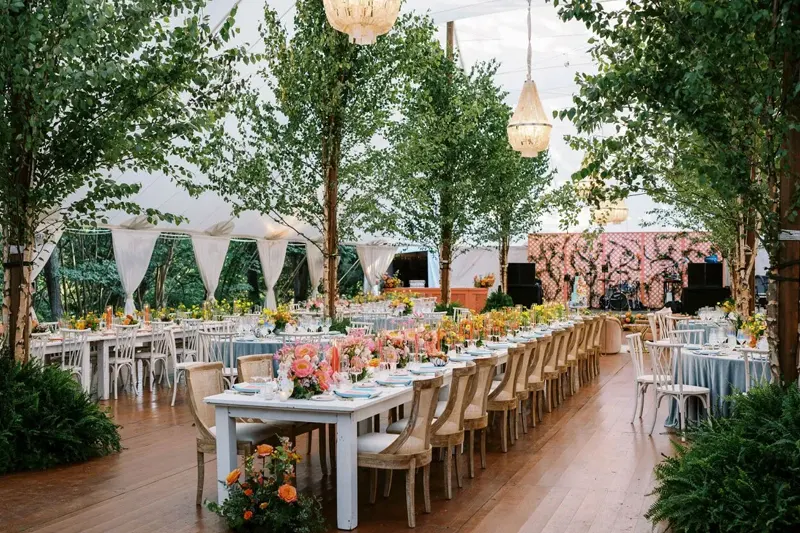
Venue booking represents the most significant planning milestone. Popular venues in peak seasons book twelve to eighteen months ahead; waiting too long limits options or eliminates preferred dates entirely.
If possible, visit venues before booking – Ramarossi’s planning trip facilitates this for Antalya, Turkey weddings. If visiting isn’t possible before booking, rely on detailed virtual tours, comprehensive photographs, and your planner’s venue knowledge.
Signing a venue contract typically requires a deposit – often 25-50% of the venue fee. Understand cancellation terms before signing. Confirm exactly what’s included and what costs extra.
Secure Key Vendors
After venue confirmation, book vendors whose availability is limited: photographers, videographers, and entertainment. Popular wedding photographers book far in advance; delaying this decision risks losing preferred options.
For destination weddings, decide whether you’re hiring local vendors or bringing professionals from home. Local vendors offer cost advantages and destination expertise; traveling vendors provide style continuity if you have existing relationships.
Send Save-the-Dates
Destination weddings require earlier save-the-dates than local celebrations. Guests need time to request work leave, arrange travel, and budget for trip costs. Nine to twelve months advance notice is appropriate.
Save-the-dates should include the confirmed date and destination, your wedding website URL, and indication that formal invitations will follow. Don’t include detailed travel information yet – too much changes between save-the-dates and invitations.
Create Your Wedding Website
A wedding website becomes your central information hub. Include destination details, travel guidance, accommodation options, event schedule as it develops, and answers to anticipated questions. Update it as planning progresses.
The website reduces repetitive questions from guests and ensures everyone accesses consistent information. Include your contact information for questions the website doesn’t address.
12-8 Months Before: Detail Development
Complete Your Planning Trip
For Ramarossi weddings, the planning trip typically happens eight to twelve months before the wedding. During this week in Antalya, Turkey, couples see venues in person, sign contracts, approve décor samples, taste menus, complete beauty trials, and meet key vendors.
The planning trip transforms remote guesswork into confident decisions. Couples return home with approximately ninety percent of their wedding finalized rather than hoping everything will work out.
Couples who cannot visit must work through extended virtual planning – video venue tours, photographed samples, and remote tastings where possible. This approach works but requires more trust and flexibility.
Finalize Vendor Contracts
All major vendors should be contracted by eight to ten months before your wedding: catering, florals, décor, photography, videography, entertainment, hair and makeup. Each contract should clearly specify services, pricing, payment schedules, and cancellation terms.
Keep copies of all contracts organized and accessible. Create a payment calendar showing when deposits and balances are due. Missing payment deadlines can create unnecessary complications.
Plan Guest Accommodations
Arrange hotel room blocks or group rates at properties near your venue. Guests appreciate having recommended options with negotiated pricing. Provide options at multiple price points to accommodate different budgets.
Include accommodation information on your wedding website. Update it as you confirm group rates and block availability. Give guests enough detail to book confidently.
Register for Gifts
If you’re registering for gifts, complete registries and include information on your wedding website. Many destination wedding couples request no gifts – recognizing that guest travel represents a significant expense – or suggest honeymoon fund contributions instead of physical items.
8-4 Months Before: Guest Management
Send Formal Invitations
Formal invitations should be sent three to four months before your wedding – earlier than typical local wedding timing. Guests need adequate time to finalize travel arrangements after receiving complete event details.
Include clear RSVP deadlines, meal preference requests if relevant, and any information not yet on your wedding website. Provide multiple RSVP methods if possible – online forms alongside traditional response cards.
Track RSVPs Actively
Don’t wait passively for responses. Track RSVPs as they arrive and follow up with non-respondents as the deadline approaches. People forget, lose invitations, and intend to respond but don’t. Gentle reminders are appropriate and necessary.
Your final guest count affects catering, seating, transportation, and numerous other elements. Getting accurate numbers early allows smooth final planning; last-minute count changes create complications.
Finalize Legal Requirements
If you’re completing legal marriage at your destination, research and fulfill all requirements well in advance. Most destination wedding couples complete legal marriage at home before or after the destination celebration, simplifying this considerably.
Ensure passports are valid with sufficient time remaining before expiration. Apply for visas if required for your destination. Handle legal documentation before travel logistics become pressing.
Plan Wedding Week Events
Beyond the wedding itself, what other events will your wedding week include? Welcome drinks, rehearsal dinner, day-after brunch, group activities? Finalize these plans and communicate details to guests.
Additional events require additional planning: venues, catering, timing, transportation. Don’t assume these elements organize themselves – give them appropriate attention within your overall planning.

4-2 Months Before: Finalization
Confirm All Vendor Details
Review every vendor contract and confirm final details. Catering needs final guest counts and menu confirmations. Florists need final décor specifications. Photographers need timeline details. Entertainment needs playlist guidance.
This is the time to surface and resolve any lingering questions. Don’t assume details discussed months ago remain understood by everyone. Reconfirm everything in writing.
Create Detailed Timeline
Develop your wedding day timeline – hour by hour from getting ready through the final song. Share this timeline with all vendors so everyone understands when they need to arrive, deliver, perform, and depart.
Build buffer time into your schedule. Weddings rarely run precisely on schedule; realistic timing that accommodates minor delays keeps the day pleasant rather than stressed.
Finalize Seating Charts
Once final RSVPs are confirmed, create seating arrangements. Consider relationships, personalities, and practical factors like hearing ability near speakers or mobility near exits. Share seating charts with caterers and venue coordinators.
Complete Final Payments
Most vendors require final payment before the wedding – often two to four weeks in advance. Review payment schedules, ensure funds are available, and complete transactions on time. Late payments create unnecessary tension with vendors you’re about to depend on.
Arrange Travel Logistics
Book your own flights and accommodation if not already done. Arrange airport transfers for yourselves and potentially for family members. Confirm transportation between hotels and venues for wedding week events.

2 Weeks to Wedding Day: Final Preparations
Confirm Everything Again
Two weeks before departure, reconfirm all bookings: flights, hotels, venues, vendors. Send final timeline documents to everyone who needs them. Verify that nothing has been forgotten or miscommunicated.
Contact your planner for a comprehensive review. Walk through every element together to ensure alignment and catch any overlooked details.
Pack Carefully
Pack wedding attire in carry-on luggage – never check irreplaceable items. Include copies of all important documents. Pack an emergency kit with items you might need on the wedding day.
Create a packing checklist and verify items against it. Forgetting crucial items when traveling internationally creates problems difficult to solve quickly.
Prepare Final Documents
Organize all wedding-related documents: vendor contracts with contact information, timeline documents, seating charts, payment confirmations, and any other paperwork you might need to reference. Keep physical copies and digital backups.
Wedding Week: Execution
Arrival and Coordination
Arrive at your destination several days before the wedding. This allows time to recover from travel, address any last-minute issues, and enjoy wedding week events without rushing.
Meet with your planner upon arrival to confirm final details and walk through any remaining questions. Your planner should handle most coordination, but being aligned ensures smooth execution.
Rehearsal
If your ceremony requires rehearsal – particularly for religious ceremonies with specific sequences – schedule it appropriately. Ensure all participants know when and where to be. Walk through the ceremony sequence so everyone understands their roles.
Final Vendor Confirmations
Your planner should confirm all vendors in the days before the wedding: delivery times, setup schedules, point-of-contact information. Any issues should be identified and resolved before the wedding day begins.
Wedding Day
On your wedding day, your job is to get married and enjoy the celebration. If you’ve planned well and have professional support, the day unfolds as prepared. Trust your vendors. Trust your planner. Be present in the moments you’ve planned for months.
Problems may arise – they do at every wedding. A good planner handles them without involving you. Your focus should be on your marriage, your guests, and your celebration.
Frequently Asked Questions
How far in advance should I start planning a destination wedding?
Ideally twelve to eighteen months. This timeline allows comfortable venue booking, guest notification, and detail development. Shorter timelines are possible but limit options and compress decisions. Start earlier for peak-season dates or highly popular venues.
When should I send save-the-dates for a destination wedding?
Send save-the-dates nine to twelve months before your wedding – earlier than local weddings require. Guests need time to request work leave, arrange travel, and budget for destination trip costs. Include your wedding website URL for ongoing information.
When should I send formal invitations for a destination wedding?
Send formal invitations three to four months before your wedding, with RSVP deadlines at least six to eight weeks before the date. This gives guests adequate time to finalize travel after receiving complete event details.
When should I book my venue for a destination wedding?
Book your venue ten to fourteen months before your wedding date. Popular venues in peak seasons book twelve to eighteen months ahead. Waiting too long limits options or eliminates preferred dates entirely.
What’s the most important thing to book first?
Your planner and venue are the most critical early decisions. A planner helps evaluate venue options and avoid mistakes. The venue must be secured before other planning can proceed – many vendor and logistical decisions depend on knowing where your wedding will happen.
Can I plan a destination wedding in less than twelve months?
Yes, but with limitations. Shorter timelines mean fewer venue choices, less guest flexibility, and compressed decision-making. Six to nine months is possible with efficient planning and flexible expectations. Under six months becomes quite challenging for destination weddings.
If you’re beginning to plan a destination wedding in Antalya, Turkey, Ramarossi can guide you through every milestone from initial conversations to your wedding day. A consultation about your timeline, priorities, and vision costs nothing – and ensures you start your planning journey with clear direction.