


Wedding day timelines separate stressed, rushed celebrations from relaxed, joyful experiences. Inadequate time allocations create cascading delays where ceremonies start late, couple photos feel hurried, cocktail hours are shortened, and couples spend their own receptions catching up rather than celebrating. Realistic scheduling with proper buffers ensures everything flows naturally.
At Ramarossi, timeline planning represents one of the most critical coordination services we provide for weddings in Antalya, Turkey. After coordinating hundreds of destination celebrations, we know exactly how long each element actually takes versus how long couples optimistically think things will take. This guide shares professional timeline frameworks ensuring your celebration paces perfectly from morning preparations through evening dancing.
Working Backward from Ceremony Time
Effective timeline planning starts with your ceremony time, then works backward to determine when preparations must begin and forward to structure reception flow.
Choosing Your Ceremony Start Time
For destination weddings in Antalya during peak season (May through October), golden hour ceremony timing around 6:00-7:00pm delivers optimal lighting for photography and comfortable temperatures for guests. Ceremonies starting at 6:30pm allow 30-45 minutes for the ceremony itself, ending around 7:00-7:15pm when golden hour light is spectacular for couple portraits. Earlier ceremony times – 4:00-5:00pm – face harsher afternoon sun and heat. Later start times – 7:30-8:00pm – risk missing golden hour entirely as sun sets.
Shoulder season months (April, November) benefit from slightly earlier ceremony times – 5:00-6:00pm – as golden hour occurs earlier and temperatures cool faster after sunset. Consider seasonal daylight variations when selecting start times to maximize photography opportunities.
The Getting-Ready Timeline
If your ceremony starts at 6:30pm, work backward to determine when hair and makeup must begin. Hair and makeup artists need 90-120 minutes for brides – 60 minutes for hair styling, 45-60 minutes for makeup application. Add 30-minute buffer for arriving, setup, and potential delays. This means starting at 3:00-3:30pm for 6:30pm ceremonies.
Photographers typically arrive 2-3 hours before ceremony start for getting-ready coverage. For 6:30pm ceremonies, photographers arrive around 4:00-4:30pm, capturing final hair and makeup application, dress arrival and reaction, detail shots, bridesmaids helping with preparations, and emotional moments with parents before departing for venues.
Grooms require less preparation time – suits take 30-45 minutes to dress properly with tie tying, boutonniere pinning, and final grooming. Groom getting-ready coverage typically begins 60-90 minutes before ceremony, around 5:00-5:30pm for 6:30pm starts.
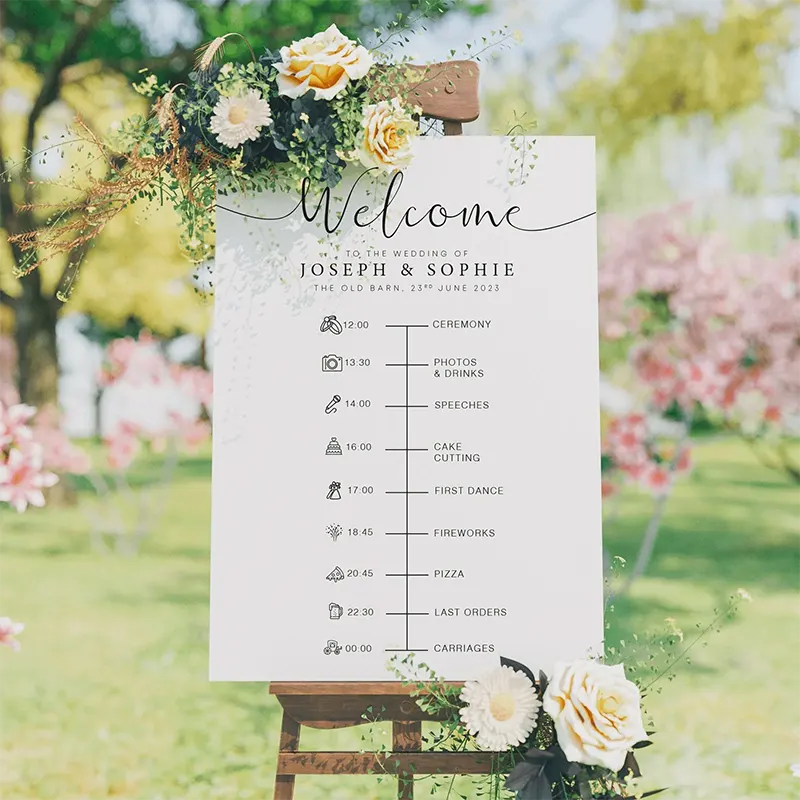
Sample Timeline: 6:30pm Ceremony
This detailed timeline demonstrates realistic scheduling for evening destination wedding ceremonies in Antalya, Turkey.
3:00pm – Hair and makeup artists arrive at bride’s hotel. Setup and begin styling.
4:00pm – Bride’s hair complete. Makeup application begins.
4:30pm – Photographer arrives for bride getting-ready coverage. Captures makeup application, detail shots of dress, shoes, accessories, and jewelry.
5:00pm – Bride’s makeup complete. Groom begins getting dressed at his hotel room. Photographer captures groom preparation with groomsmen.
5:15pm – Bride gets into wedding dress with bridesmaid assistance. Photographer documents this emotional moment.
5:30pm – First look with parents, bridesmaids seeing bride in full look. Emotional reactions captured.
5:45pm – Transportation departs hotels for venue. Allow 15-20 minutes travel time with buffer.
6:00pm – Arrive at venue. Final preparations, touch-ups, and pre-ceremony setup.
6:15pm – Guests begin arriving and are seated. Background music plays. Groom takes position at ceremony location.
6:30pm – Ceremony begins. Processional, readings, vows, ring exchange, pronouncement, kiss, and recessional.
7:00pm – Ceremony concludes. Immediately transition to couple portraits during golden hour while light is optimal.
7:00-7:45pm – Couple portraits at multiple venue locations. 45 minutes provides comprehensive coverage without rushing.
7:15pm – While couple does portraits, guests enjoy cocktail hour with passed appetizers, drinks, and music.
7:45pm – Couple rejoins celebration. Family formal photos with immediate family groups – both sets of parents, siblings, grandparents. 30-minute allocation.
8:15pm – Family photos complete. Couple mingles briefly with guests during final 15 minutes of cocktail hour.
8:30pm – Guests transition to reception area. Grand entrance for couple with introductions and first dance.
8:45pm – Welcome toasts from parents or wedding party while guests begin dinner service.
9:00pm – Dinner service proceeds with courses, wine service, and conversation. Background music continues.
10:00pm – Dinner concludes. Cake cutting ceremony with photos, then cake serving to guests.
10:15pm – Dance floor opens. DJ or band begins more upbeat music encouraging dancing.
11:30pm-12:00am – Reception concludes. Guests depart. Optional sparkler exit or final send-off moment.
Common Timing Mistakes and How to Avoid Them
Certain scheduling errors appear repeatedly in amateur timelines. Professional coordination prevents these problems.
Insufficient Couple Portrait Time
Couples frequently allocate only 15-20 minutes for couple portraits, believing this suffices. In reality, moving between locations, photographers setting up shots, trying various poses, and capturing comprehensive coverage requires minimum 30-45 minutes. Rushing couple photos produces mediocre results despite hiring talented photographers. The images couples treasure most – intimate couple portraits in beautiful settings – deserve substantial time investment. Schedule 45-60 minutes if you want comprehensive couple coverage exploring venue’s photographic possibilities fully.
Underestimating Family Photo Duration
Family formal photos consume more time than expected. Each grouping – couple with bride’s parents, couple with groom’s parents, full bride’s side family, full groom’s side family, siblings only, grandparents – requires gathering people, positioning them properly, capturing several frames, then reorganizing for next configuration. With extended families attending destination weddings, lists expand quickly. Budget 30-45 minutes for family formals rather than optimistic 15 minutes. Streamline by prioritizing essential groupings – immediate family only – rather than exhaustive extended family combinations. Every additional family grouping extends time away from your cocktail hour.
No Buffer Time Between Events
Timelines scheduled with zero buffer between elements inevitably run late. If ceremony is scheduled to end at exactly 7:00pm with couple portraits beginning immediately, any delay – ceremony running long, guests lingering for congratulations, brief bathroom stop – creates cascading lateness. Build 10-15 minute buffers between major timeline elements. These buffers absorb minor delays preventing domino effects. If everything proceeds perfectly, buffer time simply means earlier transitions without harming schedule. If delays occur, buffers prevent catastrophic timing breakdowns.
Ignoring Transportation Logistics
Transportation between hotels and venues requires realistic time allocations. Even venues 10 minutes away need 20-25 minute scheduling windows accounting for gathering everyone, loading vehicles, actual travel, and unloading at destinations. Tight 10-minute transportation windows assume everything goes perfectly with zero delays – an unrealistic expectation. Build transportation buffers. If travel theoretically takes 10 minutes, schedule 20-25 minutes. Arriving early beats arriving late and stressed.
Adjusting Timelines for Different Ceremony Times
Not all couples choose evening ceremonies. Timeline structures shift based on ceremony timing while maintaining core principles.
Afternoon Ceremonies (3:00-4:00pm)
Afternoon ceremony timing faces harsher lighting challenges but accommodates couples preferring earlier celebrations. Getting-ready begins around noon with hair and makeup starting 12:00-12:30pm for 3:30pm ceremonies. Photographer arrival around 1:00-1:30pm captures preparation completion and dress arrival. Transportation departs around 2:45pm for venue arrival by 3:00pm with ceremony beginning 3:30pm.
The challenge is post-ceremony timing. Ceremonies ending at 4:00-4:15pm miss optimal golden hour light which doesn’t arrive until 6:30-7:00pm. Couples face choices – conduct couple portraits immediately in harsher afternoon light, or break away from cocktail hour around 6:30pm specifically for golden hour portraits. Most couples choosing afternoon ceremonies accept less optimal lighting rather than disrupting reception flow. Alternatively, schedule portrait sessions the day after wedding during golden hour for dedicated couple photography without time pressure.
Late Evening Ceremonies (7:30-8:00pm)
Later ceremony starts allow more relaxed morning and afternoon preparations but risk missing golden hour photography. Getting-ready begins around 4:00-4:30pm with photographers arriving 5:00-5:30pm. Transportation departs 6:45-7:00pm for 7:30pm ceremony start.
Ceremonies starting 7:30pm end around 8:00pm when golden hour has passed and twilight is fading. Couple portraits happen in diminishing natural light or rely more on artificial lighting. Some couples embrace dramatic twilight/blue hour photography rather than warm golden hour images. Others conduct first-look sessions before ceremonies specifically to capture couple portraits during afternoon golden hour while maintaining traditional ceremony reveals for guests.
Multi-Day Celebration Timeline Considerations
Destination weddings often involve multiple events beyond ceremony and reception days. Timeline planning encompasses entire celebration weekends.
Welcome Dinners or Rehearsal Events
Many couples host welcome dinners the evening before weddings, typically 7:00-10:00pm at restaurants or casual venues. Keep these relaxed – 3 hours allows comfortable dining without extending too late before wedding days. Avoid elaborate productions requiring extensive coordination. Welcome dinners should feel easy and social rather than becoming mini-weddings requiring timeline management.
If conducting ceremony rehearsals, schedule these before welcome dinners – 5:00-6:00pm rehearsal followed by 7:00pm dinner. Rehearsals in Antalya, Turkey typically happen at venues with Ramarossi coordinators guiding processional order, positioning, and ceremony flow. Quick 30-45 minute rehearsals suffice for standard ceremonies without complex choreography.
Day-After Brunches or Activities
Post-wedding brunches allow relaxed time with guests the morning after celebrations, typically 10:00am-12:00pm at hotel restaurants or casual venues. Keep timing flexible – guests recovering from late-night dancing may appreciate leisurely late-morning starts rather than early breakfast gatherings. Some couples skip formal day-after events, simply relaxing by pools or beaches with whoever wants to spend additional time together.
Weather Contingency Timeline Planning
Mediterranean weather is reliably beautiful but not absolutely guaranteed. Timeline planning includes weather contingencies for outdoor elements.
Build weather decision points into timelines – moments where you assess conditions and activate backup plans if necessary. For 6:30pm outdoor ceremonies, establish 4:00-5:00pm as weather decision window. If rain threatens, coordinate shifts to indoor ceremony locations or covered outdoor areas without panicking at the last minute. Having predetermined backup locations and clear decision points prevents chaos.
Ramarossi maintains close weather monitoring before weddings and coordinates backup plan activations smoothly when needed. Professional coordination ensures weather contingency timing doesn’t disrupt overall schedules or create guest confusion. Most backup plans maintain original timing simply shifting locations rather than rescheduling events.
Communicating Timelines to Vendors and Wedding Party
Detailed timelines only work if everyone understands their roles and timing responsibilities.
Create master timeline documents distributed to all vendors 2-3 weeks before weddings. This document specifies exact timing for every vendor’s arrival, setup, service delivery, and breakdown. Photographers know when to arrive for getting-ready coverage and when couple portraits occur. Hair and makeup artists understand when to begin and finish. Caterers know exact service timing. Musicians or DJs understand performance schedules. Clear communication eliminates confusion and ensures coordinated execution.
Wedding party receives simplified timelines focusing on their participation – when and where to arrive for getting-ready photos, ceremony processional order and timing, family photo participation requirements. They don’t need vendor coordination details but do need clear expectations for their involvement.
Designate timeline enforcers – typically wedding coordinators or trusted wedding party members – who monitor timing throughout days and keep things moving appropriately. Someone needs responsibility for gently encouraging people when schedules lag rather than hoping everything magically stays on track.
Frequently Asked Questions
How much buffer time should we build into our timeline?
Build 10-15 minute buffers between major timeline transitions and 5-10% overall buffer across your entire day. For example, if your theoretical timeline from getting-ready through reception start spans 6 hours, adding 20-30 minutes of buffer distributed across key transitions prevents cascading delays. Specific buffer placements matter more than total buffer amount. Place buffers after elements likely to run long – family photos, guest arrivals, transportation segments – rather than spacing them arbitrarily. The goal is absorbing realistic delays without derailing schedules entirely. Buffers between ceremony end and couple portraits provide breathing room if ceremonies run slightly long or guests linger for congratulations. Transportation buffers account for minor delays gathering people or traffic variability. These strategic buffers transform timelines from theoretical perfect-case scenarios into realistic executable schedules. Wedding coordinators like Ramarossi build appropriate buffers based on experience knowing which elements typically run over and how much flex time prevents problems. Trust professional recommendations about buffer placement and duration rather than eliminating buffers to create artificially tight schedules that inevitably fail under real conditions.
Should we do first look to maximize photography time?
First looks allow substantial couple photography before ceremonies, reducing time away from guests after ceremonies end. This timeline advantage appeals to couples worried about missing cocktail hours for extended photo sessions. If conducting first looks, schedule them 90-120 minutes before ceremony start. For 6:30pm ceremonies, first looks around 4:30-5:00pm provide dedicated couple time without ceremony pressure. Following first look, couples can complete family formals before ceremonies, further reducing post-ceremony photography demands. The timeline becomes: First look and couple portraits 4:30-5:30pm, family formals 5:30-6:00pm, ceremony 6:30-7:00pm, brief golden hour couple photos if desired 7:00-7:15pm, then immediately join cocktail hour. This structure minimizes time away from guests after ceremonies while ensuring comprehensive photography. However, first looks sacrifice traditional ceremony reveals where partners see each other for the first time walking down aisles. Many couples prefer preserving this emotional moment despite timeline trade-offs. The decision balances timeline efficiency against personal preferences about ceremony structure and emotional priorities. Neither choice is wrong – select based on what matters most to you rather than feeling pressured either direction.
How long should our ceremony actually be?
Standard wedding ceremonies run 20-30 minutes from processional start through recessional end. This includes processional (2-3 minutes), welcome remarks (2-3 minutes), readings (3-5 minutes), vows (3-5 minutes), ring exchange (2-3 minutes), pronouncement and kiss (1 minute), and recessional (2 minutes). Ceremonies with multiple readings, elaborate cultural traditions, or extended vows stretch toward 35-40 minutes. Very brief ceremonies omitting readings and using simple vows complete in 15-20 minutes. Most couples find 25-30 minutes feels appropriately ceremonial without testing guest patience. Destination weddings in warm Mediterranean climates particularly benefit from concise ceremonies. Outdoor summer ceremonies exceeding 35-40 minutes challenge guest comfort – standing or sitting in sun and heat for extended periods creates discomfort regardless of celebration beauty. If cultural or religious traditions require longer ceremonies, ensure adequate guest comfort provisions – shaded seating, water service, fans if available. Discuss ceremony length expectations with officiants so timing aligns with overall schedule. Officiants experienced with destination weddings understand balancing meaningful ceremonies with practical timing and guest comfort considerations.
What if we’re running behind schedule on wedding day?
Minor delays happen frequently – hair takes longer than expected, transportation encounters traffic, guests arrive late. When schedules lag, coordinators assess which buffers to compress and what elements can shift without cascading problems. If getting-ready runs 20 minutes behind, coordinators might shorten transportation buffer or slightly delay ceremony start rather than rushing preparation completion. The key is identifying which timeline elements are flexible versus fixed. Golden hour photography timing is relatively fixed – light quality deteriorates at specific times regardless of schedule delays. Ceremony start times are moderately flexible – 10-15 minute delays rarely create problems though substantial lateness frustrates seated guests. Reception dinner timing is quite flexible – starting dinner 20 minutes late affects nothing substantial. Professional coordinators make these real-time adjustments preventing couple stress. Couples shouldn’t attempt self-managing timing crises while getting ready or celebrating. This is precisely why hiring experienced coordinators like Ramarossi provides value – we handle timing management, make adjustment decisions, communicate changes to vendors, and ensure overall schedule coherence without couple involvement. If you notice significant delays developing, inform your coordinator immediately. Don’t hide timing issues hoping they resolve magically. Early awareness allows better problem-solving than last-minute crisis management.
Can we skip cocktail hour to save time?
Cocktail hours serve important functions beyond just time-filling. They provide periods for couple portraits and family photos without making guests wait awkwardly with nothing to do. Guests need social time and refreshment between ceremonies and dinner – ceremonies are emotionally intense followed by photography periods, and guests appreciate relaxed mingling with drinks and appetizers rather than immediately sitting for formal dinners. Cocktail hours allow venue staff to flip ceremony spaces into reception configurations without guests witnessing setup chaos. Skipping cocktail hours creates awkward gaps where guests have nothing to do while couples conduct necessary photography and venues transition between ceremony and reception setups. The better approach is streamlining photography rather than eliminating cocktail hours. Conduct first looks to reduce post-ceremony photo time, minimize family formal groupings focusing only on essential combinations, and schedule realistic but efficient couple portrait sessions. These strategies allow joining cocktail hours sooner without eliminating them entirely. One-hour cocktail hours are standard. Couples who complete photography efficiently can reduce to 45 minutes if necessary, but eliminating cocktail hours entirely creates more problems than it solves. Think of cocktail hours as essential timeline components enabling smooth celebration flow rather than expendable extras consuming unnecessary time.
How late should our reception go?
Reception length depends on couple energy levels, guest demographics, and venue restrictions. Standard receptions run 3-4 hours from grand entrance through final sendoff – beginning around 8:30-9:00pm and concluding 11:30pm-1:00am. Couples with older guest demographics or families with young children often plan shorter receptions ending around 11:00-11:30pm, providing 2.5-3 hours of reception time. Younger crowds with energetic dancing expectations appreciate full 4-hour receptions extending to midnight or 1:00am. Most Antalya, Turkey venues accommodate flexible end times without strict cutoffs, unlike some UK venues with rigid 11:00pm closure requirements. This flexibility allows letting receptions flow naturally – if dancing is energetic at 11:30pm, continuing to midnight works fine. If energy is flagging by 11:00pm, ending earlier avoids forcing celebrations that have organically concluded. Discuss realistic reception duration expectations with Ramarossi during planning. We can recommend appropriate lengths based on your specific guest composition and celebration style. The goal is matching reception timing to your actual crowd rather than imposing arbitrary durations that feel too short or drag unnecessarily long after celebration energy peaks.
Should we share our timeline with guests?
Share essential timing information guests need without overwhelming them with detailed vendor coordination schedules. Wedding websites, programs, or welcome materials should include: ceremony start time with clear arrival window (arrive by 6:15pm for 6:30pm ceremony), approximate reception timing (cocktail hour following ceremony, dinner around 8:30pm, dancing continuing until 11:30pm-midnight), and any scheduled special moments guests shouldn’t miss (grand entrance, first dance, cake cutting). Guests don’t need minute-by-minute schedules or vendor coordination details – they need enough information to plan their days appropriately without confusion about when events occur. The detailed master timeline with specific photography times, vendor arrivals, and technical coordination stays with wedding party and vendors. Guests receive simplified celebration flow information allowing them to enjoy events without worrying about schedules. This distinction between vendor coordination timelines and guest information prevents overwhelming guests while ensuring everyone has information they actually need. Your wedding website or information materials provide guest-focused timing. The comprehensive vendor timeline remains working document for professionals managing celebration execution behind the scenes.
Creating realistic, well-buffered wedding timelines transforms celebration days from stressful time-management exercises into relaxed, joyful experiences. If you want professional timeline planning for your wedding in Antalya, Turkey – incorporating golden hour optimization, photography allocations, and realistic scheduling – Ramarossi provides comprehensive coordination ensuring every moment flows beautifully. A conversation about your celebration vision and timing preferences costs nothing and ensures your timeline serves your goals perfectly.