

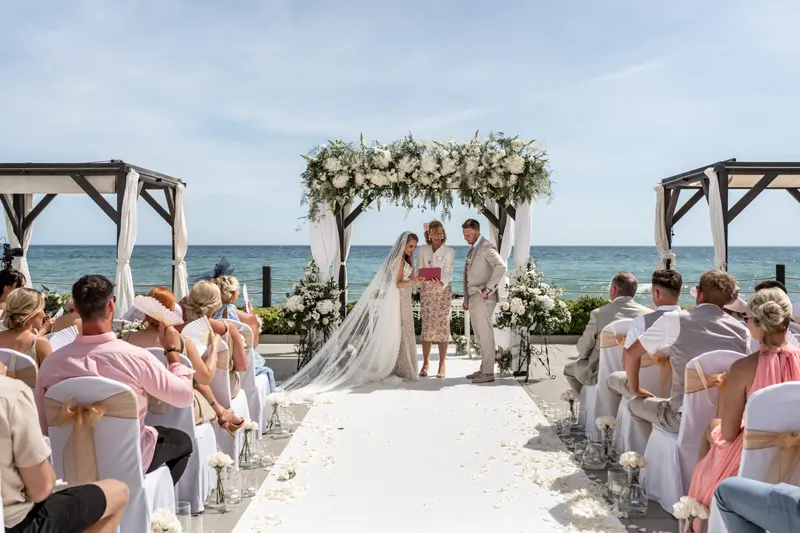
Single-day destination weddings increasingly evolve into multi-day celebration experiences as couples recognise that guests investing international travel time and expense deserve programming justifying these commitments beyond four-hour wedding receptions. Extended wedding weeks transform destination celebrations from isolated events into proper holidays combining wedding attendance with meaningful time among friends and family, cultural exploration, and relaxation that standard weekend gatherings cannot accommodate. However, planning cohesive multi-day programmes requires different approaches than single wedding coordination, addressing guest energy management, activity variety, optional versus required participation, and budget implications when hospitality extends across five days rather than single evenings.
Turkey’s Mediterranean resort infrastructure provides ideal settings for extended celebrations, with all-inclusive properties offering comprehensive amenities that keep guests comfortable throughout multi-day stays while Antalya’s cultural attractions, natural beauty, and activity options provide enrichment beyond resort grounds. The challenge involves structuring programmes that balance organised group activities with independent time, create cohesive celebration arcs building toward wedding day climaxes, and maintain energy across extended periods without exhausting guests or couples before main celebrations even begin.
The following guidance provides frameworks for planning five-day wedding weeks, from guest arrival through departure, addressing each day’s programming options, logistical coordination requirements, budget considerations for extended hospitality, and strategies ensuring celebrations feel curated and intentional rather than chaotic assemblages of disconnected events.
Optimal Wedding Week Structure and Timeline
Five-day celebration structures typically follow patterns balancing organised events with independent time, building energy toward wedding day peaks while preventing guest exhaustion or couples from burning out before their own celebrations.
Day One: Guest Arrival and Welcome Reception
Guest arrival days focus on travel recovery, property familiarisation, and initial gathering creating community among attendees who may not all know each other. Most international guests arrive throughout the day rather than at coordinated times, preventing large group activities requiring full attendance. Couples should arrive at least one day before first guests, allowing final venue walkthroughs, coordinator meetings, and personal recovery from travel before hosting responsibilities begin.
Welcome receptions typically occur in early evening, creating first official gatherings after guests settle into accommodations and rest from travel. These events should maintain casual informality, perhaps cocktail receptions at resort bars, beach gatherings with light refreshments, or restaurant dinners at relaxed venues. The goal involves helping guests meet, providing celebration overview and schedule information, and establishing comfortable atmosphere rather than elaborate productions requiring significant planning or expense. Welcome receptions cost £30 to £60 per person for restaurant meals or resort cocktail service, representing manageable investments that demonstrate hospitality while maintaining budget for more significant events later in week.
Some couples schedule welcome activities during afternoon before evening reception, perhaps poolside gatherings, beach games, or organised water sports for interested guests. However, mandatory daytime programming on arrival days proves inadvisable given varied flight schedules and travel fatigue requiring individual recovery time. Optional activities with clear communication that participation remains voluntary create better approaches respecting diverse guest needs and energy levels.
Day Two: Group Activities and Cultural Exploration
Full days between arrival and wedding provide opportunities for organised group activities showcasing Turkey’s cultural attractions and natural beauty while creating shared experiences that strengthen celebration community. Popular options include boat trips along Antalya coast with swimming stops, lunch service, and relaxation time costing £40 to £80 per person depending on vessel quality and catering. Historical site tours visiting ancient ruins like Perge, Aspendos, or Side with professional guides explaining Roman and Hellenistic history cost £50 to £90 per person including transportation and entrance fees. Adventure activities like white water rafting, jeep safaris, or ATV tours appeal to energetic guests seeking excitement, running £60 to £100 per person.
However, couples should resist scheduling multiple activities or creating full-day programmes that exhaust guests before wedding celebrations. Single organised activities leaving afternoon or evening unstructured provide better balance, allowing guests who want additional exploration to pursue independent interests while those preferring resort relaxation can rest. Communication should clarify which activities couples host versus expecting guest payment, as ambiguity creates awkward situations when some guests assume included while others come prepared to pay.
Alternative second day approaches involve completely unstructured time with resort amenities and optional activity suggestions but no organised group programming. This works well for smaller guest lists where everyone already knows each other, for couples wanting to preserve energy and budgets for wedding day excellence, or when guest demographics include many elderly relatives or young children making active group excursions impractical.
Day Three: Rehearsal, Pre-Wedding Preparations, and Rehearsal Dinner
Days immediately before weddings transition from leisurely celebration to focused preparation, with couples needing private time for final vendor meetings, ceremony rehearsals, and personal readiness while maintaining some guest programming preventing feelings of abandonment. Morning and afternoon should remain largely unstructured, allowing couples to conduct venue walkthroughs, meet photographers and other key vendors, complete any beauty preparations like hair trials or spa treatments, and simply rest before celebration intensity.
Ceremony rehearsals typically occur late afternoon, running 45 minutes to 90 minutes depending on complexity. While full wedding party attendance proves essential, requiring all guests to watch rehearsals creates unnecessary time demands. Couples should communicate that rehearsal involves only immediate participants, with general guests welcome but not expected to attend. This clarification prevents confusion while allowing interested family members who want to observe without creating obligation.
Rehearsal dinners following ceremony practice represent traditional wedding week elements, though execution varies based on budget and cultural background. American couples often host elaborate seated dinners for all guests costing £50 to £100 per person, creating significant expense when guest counts reach 50 to 100 people. British couples more commonly host immediate family and wedding party only, reducing costs to more manageable levels for intimate gatherings of 15 to 25 people. Alternative approaches involve casual welcome dinners for all guests at mid-range restaurants costing £30 to £50 per person, providing hospitality without formal rehearsal dinner expense and structure.
Persian, Arab, and South Asian couples sometimes incorporate cultural pre-wedding ceremonies like mehndi or henna nights on rehearsal evenings, creating elaborate traditional events that replace Western rehearsal dinner concepts with cultural celebration appropriate to family backgrounds. These events require specific planning addressing ceremonial requirements, appropriate venues, cultural entertainment, and traditional catering distinct from standard Western rehearsal approaches.
Day Four: Wedding Day
Wedding days require no additional programming beyond the celebrations themselves, with couples and key participants spending mornings and early afternoons in preparation while general guests enjoy resort amenities and ready themselves for evening celebrations. Couples should communicate approximate wedding start times allowing guests to plan their days, typically providing guidance that ceremonies begin around 5pm or 6pm with reception following, creating expectations for late afternoon and evening commitments while leaving mornings unstructured.
Some couples schedule wedding party brunches or getting-ready gatherings, perhaps bridesmaids joining brides for hair and makeup sessions with light food service, or groomsmen gathering for casual meals before dressing. These intimate pre-wedding moments create bonding opportunities and practical preparation logistics without requiring programming for general guest populations who should enjoy free time before celebration demands.
Post-wedding late-night activities sometimes extend celebrations beyond formal reception conclusions, with after-parties at resort bars, beach gatherings, or continued dancing for guests with energy remaining after older relatives depart. However, these should occur organically rather than through formal planning, allowing celebrations to wind naturally without pressure extending beyond comfortable durations. Couples exhausted from wedding day intensity rarely have energy for hosting additional planned events, making organic guest-driven after-parties better options than couple-coordinated programming.
Day Five: Farewell Brunch and Departures
Post-wedding days allow final gatherings before guests depart, with farewell brunches providing casual conclusions to celebration weeks and opportunities for guests to say proper goodbyes after wedding day chaos prevented extended conversations. Brunch timing typically runs late morning around 11am or noon, accommodating wedding day late nights while allowing afternoon departures for guests with evening flights.
Farewell brunches maintain casual atmospheres with buffet or simple menu service at resort restaurants or nearby venues, costing £25 to £45 per person for quality but unpretentious meals. These gatherings should avoid speech-giving, formality, or anything requiring significant energy from couples still recovering from wedding day. The purpose involves simply providing final time together in relaxed context, allowing natural conversation and warm farewells without production elements or hosting stress.
Guest departures spread throughout final days as flight schedules vary, preventing coordinated group activities beyond morning brunch. Couples often remain one or two additional days after final guests depart, allowing personal recovery, enjoying resort amenities without hosting responsibilities, and transitioning from wedding intensity to married life without immediately returning to work routines.
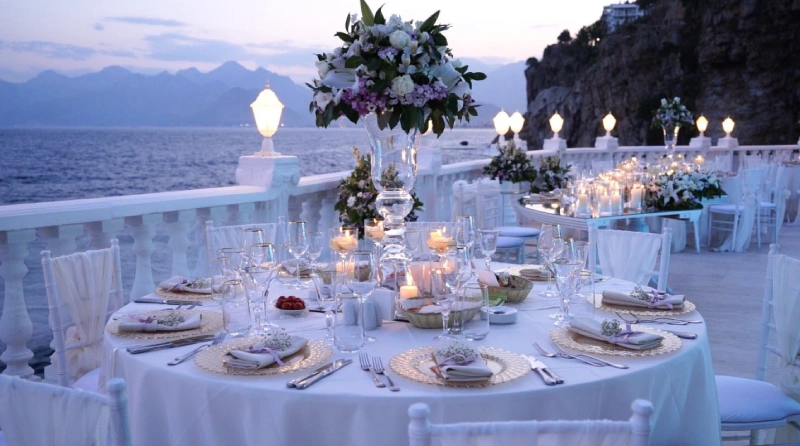
Budget Planning for Multi-Day Celebrations
Extended wedding weeks create substantial additional costs beyond single-day celebration packages, requiring careful budget planning and decisions about which hospitality elements couples provide versus expecting guest payment.
Core Wedding vs Additional Event Budgeting
Couples should establish separate budgets for core wedding celebrations versus additional week programming, preventing creeping expenses that consume resources needed for main events. A useful framework allocates 70% to 80% of total wedding budgets to actual ceremony and reception, with remaining 20% to 30% covering all additional programming including welcome events, rehearsal dinners, group activities, and farewell brunches. For £40,000 total budgets, this creates £28,000 to £32,000 for weddings proper and £8,000 to £12,000 for all supplemental events across entire weeks.
Within supplemental budgets, typical allocation patterns dedicate 40% to rehearsal dinners as most significant additional events, 25% to welcome receptions creating important first impressions, 20% to group activities if hosted by couples, and 15% to farewell brunches. These ratios provide starting frameworks couples adjust based on priorities, with some reducing rehearsal dinner scope to fund enhanced welcome events or eliminating couple-hosted activities entirely to preserve budgets for wedding day excellence.
What Couples Typically Host Versus Guest Expenses
Determining which events couples host versus expecting guest payment requires balancing generosity with financial reality. Standard approaches involve couples hosting welcome receptions and farewell brunches as bookend hospitality gestures framing celebration weeks, hosting rehearsal dinners for immediate family and wedding party at minimum or all guests if budgets allow, and leaving group activities as optional guest-paid experiences unless couples specifically want to gift particular experiences. This model provides meaningful hospitality at arrival and departure while containing costs through selective rather than comprehensive hosting.
Some couples take more generous approaches providing all meals and activities throughout weeks, particularly when guest lists remain small or family contributions support enhanced hospitality. Others maintain minimal hosting beyond wedding day itself, perhaps only offering welcome drinks without full meals and skipping farewell brunches entirely. The key involves clear communication preventing guest confusion about expectations, with wedding websites or information materials explicitly stating which events couples host versus requiring guest payment.
Cost Examples for Various Programming Levels
For 50-guest destination weddings, minimal additional programming including welcome cocktail reception at £35 per person and farewell brunch at £30 per person totals £3,250 supplementing core wedding expenses. Moderate programming adding rehearsal dinner for 25 immediate family and wedding party at £60 per person increases supplemental costs to £4,750. Comprehensive programming including full rehearsal dinner for all 50 guests at £75 per person, enhanced welcome reception at £50 per person, couple-hosted boat trip at £70 per person, and upgraded farewell brunch at £40 per person totals £11,750 in additional hospitality beyond wedding celebrations.
These examples demonstrate how programming choices dramatically impact budgets, with comprehensive hosting potentially adding 25% to 40% to total wedding costs while minimal approaches add only 8% to 12%. Couples should evaluate whether enhanced programming genuinely improves guest experiences or whether resources concentrated on wedding day excellence while maintaining basic supplemental hospitality provides better overall value.
Managing Guest Energy and Experience Across Extended Stays
Multi-day celebrations require thoughtful guest experience management preventing exhaustion, maintaining engagement, and respecting diverse needs within guest populations including varying ages, energy levels, and interest in organised programming.
Optional Versus Required Participation
Clearly communicating which events require attendance versus remaining optional proves essential for guest comfort and realistic planning. Wedding ceremonies and receptions obviously require participation, though even here providing approximate end times helps guests with young children or elderly relatives plan departures before late-night portions. Rehearsal dinners fall into ambiguous territory, with wedding party and immediate family attendance expected while extended guests might receive invitations but understand non-attendance remains acceptable.
Welcome receptions and farewell brunches should maintain completely optional status despite couple hosting, as some guests arrive too late for welcome events or depart too early for farewell gatherings based on flight schedules. Group activities must remain explicitly optional, with clear communication that couples organise options for interested guests without expectation or pressure for universal participation. This flexibility respects that some guests want packed activity schedules while others prefer resort relaxation, some seek cultural exploration while others prioritise beach time, and some have physical limitations preventing certain activities.
Accommodating Diverse Guest Demographics
Guest populations spanning ages from infants through elderly great-grandparents require programming variety that provides appropriate options for all demographics. Young children need rest time and age-appropriate activities preventing the boredom that makes them disruptive at adult events. Teenagers and young adults want different programming than middle-aged or elderly guests, perhaps more adventurous activities or independent social time. Elderly relatives may have mobility limitations preventing participation in physically demanding excursions or may tire earlier requiring abbreviated event schedules.
Successful multi-day celebrations provide programming diversity allowing guests to self-select appropriate participation, perhaps offering both active excursions and relaxed alternatives on same days, scheduling some events in morning and others in evening accommodating different energy patterns, and communicating that skipping any non-wedding events creates no offense or disappointment. Resort settings facilitate this flexibility through comprehensive amenities allowing independent guest entertainment when they opt out of organised programming.
Preventing Couple and Guest Burnout
Couples hosting multi-day celebrations face exhaustion risks from constant guest entertainment, hosting responsibilities, and wedding preparation stress compounding across days rather than concentrating in single events. Protecting couple energy requires building unstructured private time into schedules, perhaps keeping mornings free for rest and wedding preparation while scheduling guest programming in afternoons or evenings. Couples should resist pressure to constantly entertain or join every guest activity, communicating clearly that they need preparation time and encouraging guests to enjoy Turkey independently.
Guest burnout prevention requires similar pacing attention, avoiding the temptation to pack every day with activities that leave no recovery time. A useful framework involves alternating structured days with unstructured ones, creating rhythm that prevents exhaustion while maintaining engagement. For instance, organised group activity on day two followed by completely free day three before rehearsal dinner, then wedding day intensity followed by casual brunch allowing rest before departures.
Coordination and Logistics for Extended Programming
Multi-day events require coordination sophistication beyond single wedding planning, addressing transportation logistics, communication systems, vendor relationships across multiple days, and contingency planning for extended periods when problems might arise.
Transportation Coordination for Off-Site Events
Events occurring beyond resort properties require transportation arrangements that accommodate all participating guests while respecting various arrival and departure timing. Group transportation using coaches or minibuses provides efficient movement for organised activities, though requires coordinating departure times and preventing delays when guests arrive late. For 50-guest group excursions, coach transportation costs £400 to £800 for full-day use including driver, fuel, and parking, representing per-person costs of £8 to £16 that prove minimal compared to activity expenses themselves.
Restaurant events at venues beyond resort properties create similar coordination needs, with group transportation ensuring all guests arrive together and preventing the confusion of independent navigation in unfamiliar locations. Some couples provide transportation to restaurants but allow independent return through taxis, accommodating guests wanting to leave earlier or later than group departure timing. Clear communication about transportation availability and timing prevents guests from making unnecessary taxi arrangements while ensuring those needing alternative transport understand options.
Communication Systems and Information Distribution
Effective multi-day coordination requires robust communication ensuring all guests receive schedule updates, timing changes, and practical information throughout weeks. Welcome packets distributed at check-in provide comprehensive week overviews including daily schedules, event locations and timing, optional activity descriptions with sign-up instructions, contact information for couples and coordinators, resort amenity guides, and local area recommendations for independent exploration. These packets create reference resources preventing repeated questions while ensuring consistent information distribution.
WhatsApp groups or similar messaging platforms allow real-time communication about timing changes, weather contingencies, or spontaneous gatherings without requiring individual messages to dozens of guests. However, groups should maintain clear guidelines about appropriate use, perhaps designating coordinators or wedding party members to post official information while discouraging excessive social chatting that creates notification overload. Some couples prefer avoiding group messaging entirely, instead using wedding websites with schedule pages or having coordinators send daily email updates about following day events.
Vendor Coordination Across Multiple Days
Extended celebrations involve coordinating vendors across multiple events rather than single wedding days, requiring clear communication about which vendors serve which events and ensuring appropriate staffing across entire weeks. Photographers might cover welcome receptions and rehearsal dinners in addition to wedding days, requiring contracts specifying coverage duration and deliverables for each event. Catering vendors serving multiple dinners need clear menu specifications, guest counts, and timing for each occasion preventing confusion about which event receives which service levels.
Ramarossi coordinators manage these multi-day vendor relationships, creating comprehensive timelines showing all events across entire weeks and ensuring each vendor understands their roles within broader celebration structures. This coordination prevents gaps where needed services go unprovided while avoiding duplication of efforts or vendor confusion about responsibilities. The coordination value increases substantially for multi-day celebrations compared to single events, as managing vendor relationships across extended periods while handling inevitable adjustments requires expertise and attention couples cannot easily provide while simultaneously hosting guests and preparing for their own weddings.
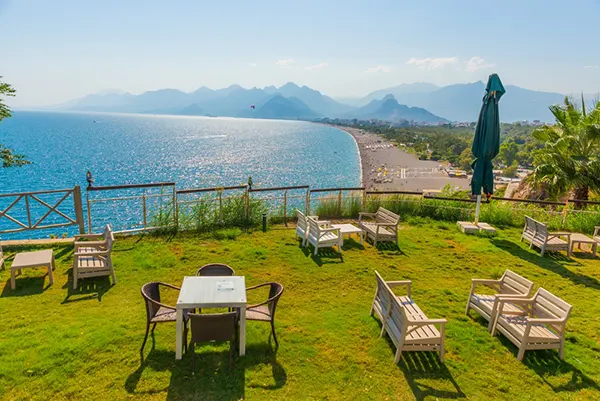
Incorporating Turkish Culture and Experiences
Multi-day Turkey celebrations provide opportunities for cultural programming showcasing destination location and creating memorable experiences beyond standard resort entertainment.
Cultural Activities and Authentic Experiences
Turkish cooking classes teaching traditional recipes like manti, borek, or baklava create interactive cultural engagement while producing edible results guests can enjoy. These classes cost £40 to £70 per person for two to three hour sessions including instruction, ingredients, and meals consuming prepared dishes. Turkish bath experiences at traditional hamams introduce guests to Ottoman bathing culture through scrubs, foam massages, and steam room relaxation, costing £30 to £60 per person for complete treatments. Spice market tours and Turkish coffee fortune-telling sessions provide lighthearted cultural activities suitable for guests of all ages.
Traditional Turkish music and dance performances during welcome receptions or rehearsal dinners showcase cultural heritage while entertaining guests. Professional folk dance troupes perform regional dances like halay or zeybek for £800 to £2,000 depending on troupe size and performance duration. Whirling dervish ceremonies provide spiritual cultural experiences, though couples should ensure presentations maintain appropriate reverence rather than tourist-focused spectacle diminishing religious significance.
Historical and Natural Site Excursions
Antalya’s rich historical heritage provides exceptional excursion opportunities within easy reach of resort areas. Ancient theatre at Aspendos represents one of the best-preserved Roman theatres globally, with summer evening performances adding cultural programming to architectural appreciation. Perge ruins showcase Roman city planning including colonnaded streets, elaborate gates, and stadium seating. Side combines archaeological sites with charming coastal town atmosphere allowing cultural exploration mixed with beach relaxation and restaurant meals.
Natural attractions include Duden waterfalls offering dramatic cascades and park settings suitable for group picnics or photography. Kekova sunken city boat tours explore ancient ruins submerged by earthquakes, creating unique swimming and snorkelling experiences. Multi-day celebrations allow incorporating several excursions across different days, creating cultural programming variety that single-day weddings cannot accommodate while justifying guest travel investment through comprehensive Turkey exploration.
Frequently Asked Questions
How do we prevent multi-day celebrations from feeling overwhelming or exhausting for guests?
Preventing guest exhaustion requires thoughtful pacing balancing structured programming with unstructured rest time, creating rhythm across days rather than constant activity bombardment. The most effective approach involves alternating organised event days with free days allowing resort relaxation and independent exploration, ensuring no more than two consecutive days of scheduled programming before providing recovery periods. Within structured days, limiting organised activities to single events rather than packing mornings and evenings with required attendance creates manageable participation expectations while leaving time for rest, personal interests, and spontaneous small group gatherings. Clear communication about optional versus required participation proves essential, explicitly stating that only wedding ceremony and reception require attendance while all other events remain completely optional without guilt or pressure for participation. This permission structure allows guests to self-regulate energy expenditure, with some attending everything while others pick selectively based on interest and stamina. Building substantial downtime into wedding days themselves prevents the common mistake of scheduling morning activities before afternoon preparation and evening celebrations, instead keeping entire wedding days focused solely on celebration without additional demands. Consider guest demographics when planning intensity, recognising that groups including many elderly relatives or young children require more conservative pacing than celebrations with primarily young adult demographics. Some couples conduct informal guest polling during planning about activity preferences and pacing concerns, gathering feedback informing realistic programming that matches guest interests rather than couple assumptions about desired experience. The goal involves creating weeks that feel like proper holidays incorporating wedding celebrations rather than exhausting obligations leaving guests needing vacations from attending weddings, with most guests reporting that thoughtfully paced multi-day celebrations prove more enjoyable and relaxing than single-day events requiring rushed travel and immediate departures after ceremonies conclude.
Should we plan different activities for different age groups or keep everyone together?
The optimal approach depends on guest demographics, group size, and whether creating age-segregated programming proves practical given available resources and coordination capacity. For smaller celebrations with 30 to 50 guests, maintaining unified programming proves more practical than attempting multiple simultaneous activities requiring separate coordination, transportation, and expense. However, unified programming should offer flexibility allowing graceful opt-outs, perhaps boat trips where elderly guests can relax on deck while younger guests swim, or cultural site tours where some explore extensively while others rest in cafes. For larger celebrations exceeding 75 to 100 guests, organised age-appropriate programming becomes more feasible and valuable, perhaps offering adventure activities for young adults while providing spa experiences for middle-aged guests, or arranging children’s activities with supervision allowing parents to enjoy adult programming. The key involves making age-specific programming genuinely optional rather than creating segregation that prevents family interaction, perhaps scheduling some unified events bringing all ages together while offering optional alternatives at other times. Many couples find hybrid approaches work best, with one or two unified events creating whole-group bonding while other days offer multiple options allowing self-selection by interest and energy rather than explicit age segregation. Communication should frame options as interest-based rather than age-based to avoid offending guests who might bristle at being categorised by age, instead describing activities by characteristics like relaxed versus active, cultural versus recreational, or family-friendly versus adult-only. Some couples simply provide activity suggestions and contact information for booking without organising formal groups, allowing interested guests to coordinate their own excursions while couples focus energy on hosting events rather than managing multiple activity streams. The consideration should always prioritise whether segregated programming genuinely enhances guest experience versus creating coordination complexity that stresses couples while providing minimal actual value, with many couples discovering that simple unified programming with built-in flexibility proves more successful than ambitious multi-track approaches overwhelming coordination capacity.
What happens if weather disrupts planned outdoor activities during the week?
Weather contingency planning proves essential for multi-day celebrations incorporating outdoor activities, as extended timeframes increase probability of encountering adverse conditions despite Mediterranean climate reliability. The planning should identify backup options for each outdoor event, perhaps indoor restaurant alternatives for planned beach dinners, covered resort spaces for welcome receptions, or activity substitutions when excursions become impossible. Antalya weather from May through October generally proves excellent with minimal rain, though occasional storms occur requiring flexibility. Unlike wedding ceremonies where backup plans cause genuine stress and disappointment, supplemental event weather disruptions typically prove manageable through casual adjustments and alternative programming that guests accept gracefully. Communication systems allowing rapid guest notification about changes prevent confusion, with WhatsApp groups, text message blasts, or coordinator announcements at breakfast informing everyone simultaneously about modified plans. Resort properties assist weather contingencies through their comprehensive facilities providing alternative venues and activities when outdoor plans fail, meaning weather rarely forces complete event cancellations versus simple location or format modifications. Some couples actually find weather disruptions create memorable bonding experiences, with groups gathering in resort bars during storms or making spontaneous alternative plans that prove more enjoyable than original rigid programming. The key involves couples maintaining relaxed attitudes about weather changes rather than viewing modifications as celebration failures, modelling flexibility that gives guests permission to similarly accept adjustments without disappointment. For critical events like welcome receptions or farewell brunches where weather significantly impacts experience, couples should select venues with both indoor and outdoor options allowing rapid transitions based on conditions, perhaps restaurants with covered terraces or resort spaces opening to gardens where indoor service occurs if needed while outdoor areas remain available if weather permits. Travel insurance covering non-refundable activity deposits provides financial protection if severe weather forces cancellations, though most activity operators offer rescheduling or credit toward alternatives rather than requiring complete forfeiture when weather prevents participation.
How do we handle guests who arrive late or depart early missing portions of the wedding week?
Varied guest travel schedules represent natural reality for destination weddings, with some guests arriving just before ceremonies while others extend stays for full weeks before and after main events. Couples should plan core programming assuming not all guests attend every event rather than expecting universal participation throughout weeks, creating schedules that function whether 30% or 100% of guests attend supplemental events. Welcome receptions should occur evening of most common arrival day while remaining casual enough that late arrivals integrate smoothly without disrupting proceedings or feeling they missed critical moments. Some couples schedule welcome events across two evenings accommodating different arrival patterns, perhaps informal drinks first night for early arrivals and more substantial reception second night when majority have gathered. Farewell brunches similarly should accommodate that some guests depart before final gatherings based on flight schedules, with couples accepting that proper goodbyes sometimes occur at wedding receptions rather than formal farewell events. Communication through wedding websites should clearly indicate which events occur which days, allowing guests to plan travel booking around attendance preferences while understanding couples cannot accommodate every possible schedule variation. For guests who miss substantial programming, couples might arrange private meals or smaller gatherings during their actual attendance windows, perhaps welcome dinners for late arrivals who missed official receptions or casual coffees with early departures before their flights. However, couples should avoid feeling obligated to recreate entire event programmes for every schedule variation, as this creates unsustainable hosting burdens and prevents couples from enjoying their own celebrations. The reality involves accepting that destination weddings inherently involve varied participation, with some guests experiencing full weeks while others attend abbreviated portions based on their personal circumstances, work commitments, or travel preferences. Most couples find that 60% to 70% of total guest lists attend full programming with remaining guests participating in abbreviated schedules, representing completely normal patterns rather than problems requiring elaborate accommodation or compensation through additional private events.
Is extending to full wedding weeks worth the additional cost and coordination complexity?
Whether multi-day celebrations justify additional investment depends on couple priorities, guest demographics, and whether extended programming genuinely enhances experiences versus creating stress and expense providing minimal value. The primary argument for extended weeks involves maximising guest travel investment, as friends and family flying internationally deserve more than four-hour wedding receptions before returning home after brief visits. Multi-day programming transforms celebrations into proper holidays creating quality time together that busy modern life rarely allows, building memories and relationships extending beyond single wedding events. For couples whose guest lists include many people who rarely see each other due to geographic dispersion, extended gatherings create valuable reunion opportunities strengthening family and friendship bonds. However, extended celebrations prove less valuable when guest lists consist primarily of local friend groups who regularly socialise together, when budgets stretch uncomfortably to fund additional events beyond core weddings, when couple personalities prefer intimate low-key celebrations over extended hosting responsibilities, or when guest demographics include many young children or elderly relatives making multi-day programming impractical. The coordination complexity increases substantially for week-long celebrations compared to single events, requiring detailed scheduling, multiple vendor relationships, transportation logistics, and sustained hosting energy that proves exhausting even for couples who genuinely enjoy entertaining. Couples should honestly assess whether they want to invest planning time and energy into elaborate multi-day programmes or whether concentrating resources on exceptional single-day weddings while maintaining basic welcome and farewell hospitality provides better value and reduced stress. Many couples discover that minimal supplemental programming including simple welcome drinks and casual farewell brunches creates adequate extended experience without the coordination burden and expense of full activity schedules, allowing guests who want extended Turkey experiences to pursue independent exploration while couples focus energy on wedding excellence rather than becoming amateur tour operators managing complex multi-day itineraries for dozens of guests with varying interests and needs.