

What to Pack for a Destination Wedding Dress Fitting
Prepare for an appointment away from home with the right shoes, underlayers, garment details and a clear plan with your dressmaker.
Travelling for a wedding dress fitting is different from packing for the wedding day itself. The important questions are what your dressmaker needs to see, whether the gown is ready for an appointment and what happens to it afterwards.
This destination wedding dress-fitting packing guide is for couples actually travelling to meet a garment specialist. Many brides can arrange fittings near home without a separate trip. For the full wedding suitcase, read our destination wedding packing checklist.
When Does a Destination Wedding Dress-Fitting Trip Make Sense?
A destination wedding dress-fitting trip is a visit specifically arranged to review a bridal outfit with the dressmaker, designer or alterations specialist. Not every couple marrying abroad needs to travel for a fitting; many have their dress measured or altered close to home before transporting it to the wedding destination.
If a fitting abroad is genuinely planned, confirm the appointment, its purpose and the people who must attend before buying travel tickets. A first try-on, an alterations review, a hem check and a final collection can have very different requirements and may not be completed in one visit.
Ramarossi is a full wedding-planning company, not a bridal atelier. Venue selection and the wedding programme can inform the eventual outfit needs, but garment construction, measuring, fitting and alteration decisions belong to the qualified clothing provider.
Confirm the Appointment With the Dressmaker Before You Pack
Ask exactly where the fitting takes place, who will conduct it, whether the garment is ready to try on, how much time the provider has reserved and what the appointment can achieve. Check whether an extra session or collection visit is likely to be necessary. A dress fitting in a different country should not be booked on the assumption that every alteration can be finished while you are there.
Confirm which items the specialist already has and which you need to bring, such as shoes or intended undergarments. If the garment is being created or stored at the destination, establish how it will be transported to or from the studio and who is responsible for insurance, storage and delivery.
Keep the venue and garment discussions connected without confusing their responsibilities. A beach ceremony, stone terrace, hotel ballroom and garden can affect practical hem, train and footwear choices, but the fitter should advise on the actual garment.

What to Bring to the Dress Fitting
Bring the undergarments and shoes you intend to use with the wedding outfit, or the closest agreed equivalents, because they can affect fit, posture and garment length. If the outfit needs a particular support structure or fastening method, ask the dressmaker whether that component must be present.
Hair accessories, veils, jewellery, belts or detachable sleeves may also influence how the ensemble fits or sits, but they do not all need to be transported if the fitter says they are irrelevant to the current appointment. Prioritise the items the provider actually requires.
Bring any agreed reference notes and a concise list of questions about movement, closures, comfort, alterations and collection timing. Photographs of a preferred look can help communicate an idea, but do not substitute images for precise fitting decisions by the garment specialist.
Check How the Garment Moves in the Real Wedding Setting
A wedding dress should not be evaluated solely while standing still for a photograph. Ask the fitter how the garment moves when sitting, walking, stepping up, raising arms or turning, as appropriate to the design. Comfort and mobility matter for a ceremony, portraits and reception that may last several hours.
Ground surfaces and event layouts can matter. A long train may be manageable in a smooth indoor room but more difficult on exposed stone, stairs, decking or sand. Discuss whether a bustle, removable detail or alternative shoe is appropriate with the clothing specialist rather than treating any solution as universal.
If the ceremony and reception use separate venues, think about how the outfit will move between spaces and where any change or adjustment can occur. Ramarossi plans the agreed event flow; the fitter determines how the garment should be altered and handled.
Packing and Transporting Clothing for the Appointment
If you are bringing the wedding garment to a fitting, check the airline’s real baggage conditions. A dress bag does not automatically qualify as an additional cabin item, and flights with different carriers or stopovers can involve separate allowances. Do not depend on a promise that airline staff will store the gown in a special wardrobe.
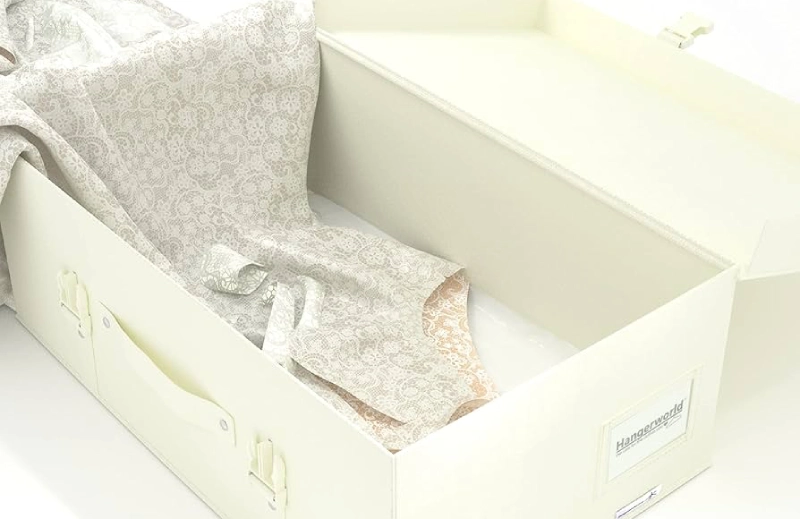
Use protective packaging recommended by the garment provider and choose a transport plan that suits the fabric, structure and accessories. For delicate clothing, ask the specialist whether folding, rolling or pressing is appropriate. The answer depends on the garment; it is not a universal packing trick.
If your appointment is abroad and the outfit will remain with the dressmaker, confirm in writing who has custody of the garment, when it will be ready, how it will be delivered and what happens if further alterations are required. Travelling home without the dress may be normal when agreed, but it should never be an unexpected last-minute assumption.
Travel Documents and Personal Essentials for the Fitting Trip
Pack ordinary travel essentials for the actual itinerary: passport and applicable travel permissions, appointment confirmation, accommodation and transport details, necessary medicines, personal chargers, comfortable clothing and a way to contact the studio.
Entry rules are based on the traveller’s nationality, passport and journey, not on being a bride or attending a fitting. Check the relevant official destination and transit requirements rather than adopting a generic wedding-blog visa rule.
The wedding-fitting trip is separate from civil-marriage paperwork. A visit to try on or alter a dress does not itself require a couple to initiate legal marriage registration at the destination. The couple should consult the competent authority only if a real legal registration is separately planned.
Adapt the Fitting Visit to the Local Conditions
A destination appointment may take place in warm coastal conditions, a busy city or a cooler inland setting. Bring practical clothing for travelling to and from the studio and consider weather forecasts for the actual dates. A particular season does not guarantee the same conditions every day.
Travel footwear should suit the local streets and transport arrangements while fitting shoes should reflect the intended wedding outfit. Keep those purposes separate; comfortable shoes for walking through a city are not necessarily the pair the fitter needs for hem measurements.
Allow enough time to arrive at the appointment comfortably, especially if the journey requires an airport arrival, unfamiliar local transfers or additional stops. Avoid scheduling a critical fitting immediately after a complicated connection without allowing for realistic delays.
What to Ask Before Leaving the Fitting
Confirm what alterations were agreed, who is responsible for performing them and when any follow-up session or final collection will occur. If the dress needs to be fitted again after further changes, clarify whether the couple must travel, work with a local alterations specialist or send new measurements.
Ask for garment-specific instructions about storage, carrying, steaming and cleaning. If a dress has detachable sleeves, multiple closures, a bustle or other mechanisms, request a suitable demonstration from the professional who knows the design.
Record the arrangements in a way that is useful to the couple and the relevant provider. Do not rely only on memory, especially when several suppliers or family members are involved in transporting the garment to the wedding.
| Stage | What to confirm | With whom |
|---|---|---|
| Before the trip | Confirmed fitting appointment and purpose | Dressmaker or alterations specialist |
| During packing | Shoes, intended underlayers and garment components requested by the fitter | Couple and clothing provider |
| Travel day | Personal documents and permitted clothing luggage | Traveller and carrier |
| During the fitting | Comfort, movement, length, fastenings and proposed alterations | Qualified garment professional |
| Before leaving | Follow-up date, custody, storage and delivery details | Clothing provider |
Confirmed fitting appointment and purpose
Dressmaker or alterations specialist
Shoes, intended underlayers and garment components requested by the fitter
Couple and clothing provider
Personal documents and permitted clothing luggage
Traveller and carrier
Comfort, movement, length, fastenings and proposed alterations
Qualified garment professional
Follow-up date, custody, storage and delivery details
Clothing provider
A Fitting-Trip Checklist Is Not the Wedding-Day Packing List
This guide is deliberately narrow. For a fitting visit, the main questions are what the dressmaker needs, what happens to the garment and what should be agreed before leaving. At the actual wedding, the couple needs a different checklist covering personal outfits, documents, accessories and any additional events.
The destination wedding packing checklist covers that broader wedding trip, while UK couples’ wedding packing guide for Turkey covers specific UK departure and Antalya/Istanbul questions. Keeping those topics distinct makes each checklist more practical.
If the dress is being fitted near home, there may be no reason for a special travel trip at all. The decision is made with the clothing provider, not implied by the fact that the wedding takes place overseas.
Where Ramarossi’s Full Wedding Planning Fits
Ramarossi coordinates destination weddings in Turkey from the selection of suitable venues through the agreed design, supplier coordination, guest experience and event delivery. The real architecture and positions of the ceremony and reception help determine what will work for movement, styling and photography.
A dress fitting remains the responsibility of the atelier, designer or qualified alterations specialist. Ramarossi can integrate relevant preparation and garment handoffs into the agreed wedding-day planning scope where appropriate, without claiming to provide dressmaking services or control airline baggage decisions.
If you are considering a wedding in Antalya, tell Ramarossi’s wedding-planning team your date, expected guest count, venue preferences, cultural programme and budget direction. Planning the right setting comes before making detailed design promises.
Planning a Destination Wedding in Turkey?
Tell Ramarossi the celebration you imagine, approximate guest count, preferred date, venue style and budget direction. We can discuss the right venue and bespoke planning scope before detailed design and supplier arrangements are finalised.
Follow our celebrations
Discover beautiful weddings, private events, styling ideas and behind-the-scenes moments from Ramarossi in Turkey.
Wedding Dress Fitting Trip: FAQs
Do I need to travel abroad for my destination wedding dress fitting?
Not automatically. Many outfits are fitted near home. Travel only if the actual dressmaker or alterations arrangements make an overseas appointment necessary.
What should I take to a bridal dress fitting?
Ask your fitter whether to bring your intended shoes, undergarments, support pieces, veil or other accessories. Bring only the components relevant to the appointment.
Can a wedding dress travel in an aircraft cabin?
Possibly, but it depends on the booked airline’s actual baggage and garment rules. A dress bag is not guaranteed an additional free item.
Should I wear my wedding shoes to the fitting?
The intended wedding shoes can be important to hem and movement assessments. Confirm with the fitter whether they are required for this particular session.
How many wedding dress fittings will I need?
There is no fixed number. The garment provider should explain the appointment plan based on the design, alterations and fitting progress.
Do I need marriage-registration documents for a dress fitting trip?
A fitting appointment is separate from legal marriage procedures. Use actual travel-entry requirements; only obtain marriage paperwork if a genuine legal process requires it.
What happens if the dress needs additional work after I return home?
Agree the alteration, follow-up and delivery process with the dressmaker before leaving. It may involve another visit or a qualified local specialist, depending on the garment.
Does Ramarossi organise dress fittings as a standalone service?
Ramarossi provides full bespoke destination wedding planning, not bridal tailoring. Fittings and garment alterations belong to the relevant clothing professionals.