


October weddings in Antalya capture Mediterranean autumn at its finest, offering the sweet spot where summer heat subsides while warm sunny days persist, creating comfortable celebration conditions that peak summer months cannot match. The combination of pleasant temperatures ideal for outdoor ceremonies, reduced humidity making formal attire bearable, excellent sea swimming conditions extending beach celebration options, and shoulder season benefits including better pricing and smaller crowds position October as potentially the optimal Turkey wedding month for couples prioritising weather reliability with budget consciousness.
However, October weather demonstrates more variability than summer months, with occasional rain becoming possible after months of near-guaranteed sunshine, evening temperatures requiring consideration for outdoor dinner service, and month progression showing noticeable temperature decline from early October warmth to late October hints of approaching winter. Understanding these patterns allows couples to plan appropriately, selecting optimal October timing, incorporating weather contingencies, and communicating realistic expectations to guests about packing requirements and celebration conditions.
The following guidance provides comprehensive October weather analysis for Antalya wedding planning, addressing temperature patterns throughout the month, rainfall probability and contingency planning, seasonal advantages justifying October selection despite minor weather trade-offs, specific considerations for various celebration elements from ceremonies through receptions, and practical recommendations ensuring October weddings succeed despite greater weather variability than summer celebrations.
October Temperature Patterns and Daily Variations
October temperatures in Antalya demonstrate comfortable warmth suitable for weddings while avoiding summer heat extremes that create discomfort for formal celebrations and outdoor activities.
Daytime Temperature Expectations
Early October daytime temperatures average 26 to 28 degrees Celsius, maintaining summer-like warmth that allows beach ceremonies, outdoor reception service, and guest comfort in cocktail attire without overheating concerns. Mid-October temperatures moderate to 23 to 26 degrees, creating ideal conditions for outdoor celebrations with comfortable warmth during afternoon ceremonies and pleasant evening temperatures for al fresco dining. Late October sees further cooling to 20 to 24 degrees, bringing autumn freshness that some couples prefer while still maintaining adequate warmth for outdoor events with minimal weather contingency requirements.
These averages represent typical patterns rather than guaranteed conditions, as individual days vary around mean temperatures with some October days reaching 30 degrees recalling summer heat while others cool to 18 degrees previewing approaching winter. Couples should plan assuming typical ranges while building flexibility accommodating outlier conditions, perhaps selecting venues with both indoor and outdoor options allowing adaptation to actual weather rather than rigid outdoor plans that fail if temperatures disappoint.
Evening and Night Temperature Considerations
Evening temperatures demonstrate more dramatic October cooling than summer months, with daytime warmth giving way to cooler nights requiring consideration for extended outdoor celebrations. Early October evenings remain warm at 18 to 20 degrees, allowing comfortable outdoor dining without supplemental heating. Mid-October evenings cool to 16 to 18 degrees, creating pleasant freshness though some guests may appreciate light wraps or shawls during later reception hours. Late October nights drop to 13 to 16 degrees, bringing definite autumn chill that makes outdoor heating desirable for comfort during extended celebrations.
This diurnal temperature variation influences celebration timing and venue selection, with late afternoon ceremony starts around 4pm or 5pm capturing warm daylight for ceremonies while transitioning to cooler evening temperatures during reception dinners. Venues should provide heating options for outdoor spaces or seamless indoor-outdoor flow allowing guests to move between environments based on personal temperature comfort. Couples planning entirely outdoor receptions should discuss heating provision with venues, from patio heaters creating warmth zones to fire features adding both heat and ambiance.
Sea Temperature and Swimming Conditions
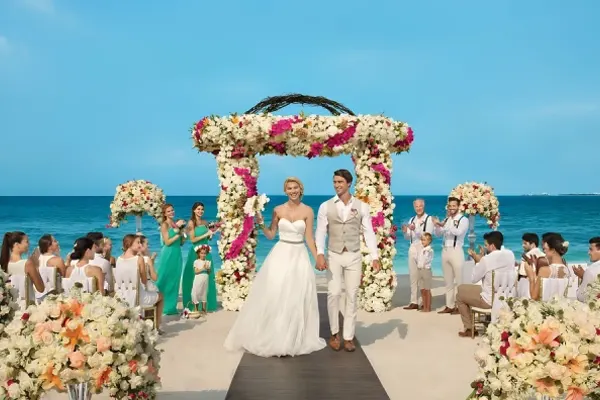
Mediterranean sea temperatures in October remain pleasantly warm, maintaining swimming viability throughout the month despite air temperature cooling. Early October sea temperatures average 24 to 25 degrees, providing comfortable swimming comparable to summer months and allowing beach ceremony options followed by guest swimming. Mid-October waters cool slightly to 22 to 24 degrees, still very swimmable for most guests and warmer than typical UK or Northern European summer sea temperatures. Late October sees further decline to 20 to 22 degrees, creating refreshing rather than tropical swimming conditions though still acceptable for those acclimated to Mediterranean waters.
These temperatures support beach wedding activities including post-ceremony swimming, boat trip excursions with water activities, and beach club celebrations where swimming represents central entertainment. However, couples should recognise that October swimming appeals less to cold-sensitive guests than July or August conditions, with some attendees preferring to avoid water despite objectively swimmable temperatures. Providing beach access without requiring participation accommodates diverse guest preferences, allowing enthusiasts to enjoy swimming while others appreciate beachfront settings without water entry.
Rainfall Patterns and Weather Reliability
October marks the transition from summer drought to autumn rainy season, creating weather reliability questions that couples must address through realistic probability assessment and appropriate contingency planning.
Monthly Rainfall Statistics and Probability
October rainfall in Antalya averages 70 to 90 millimetres spread across 5 to 7 rain days throughout the month, representing substantial increase from near-zero summer precipitation but still moderate compared to winter rainfall exceeding 200 millimetres monthly. The probability of encountering rain on any specific October day ranges from 15% to 25% depending on month timing, with early October demonstrating lower rain risk around 15% to 18% while late October increases to 22% to 25% as autumn establishes fully.
However, these statistics require contextual interpretation, as October rain typically arrives in brief intense showers rather than all-day precipitation that ruins outdoor celebrations. Many October rain days see morning or late evening showers with afternoon and early evening remaining dry, allowing ceremonies and receptions to proceed unaffected even on technically rainy days. The typical pattern involves 2 to 3 hours of heavy rain followed by rapid clearing, creating dramatic skies and fresh air rather than sustained precipitation preventing outdoor events.
Couples should interpret 20% monthly rain probability as indicating roughly one chance in five that wedding days encounter some precipitation, not that one-fifth of wedding hours will be rainy. This distinction matters substantially for planning perspective, as couples sometimes overestimate rain impact based on monthly statistics suggesting frequent precipitation when reality involves occasional brief showers that rarely coincide with specific ceremony and reception timing.
Weather Contingency Planning for October Celebrations
Despite generally favourable October weather, prudent planning requires backup options accommodating the genuine rain possibility that statistics demonstrate. Venues with covered outdoor spaces like pergolas, retractable roofs, or substantial architectural canopies provide weather insurance allowing ceremonies to proceed in intended outdoor locations even during light rain. Properties with seamless indoor-outdoor flow enable rapid transitions if weather deteriorates, moving ceremonies or receptions inside without celebration disruption or guest discomfort.
Clear tents or marquees represent alternative weather protection, creating covered areas maintaining outdoor ambiance while preventing rain exposure. However, tent rental costs add £1,500 to £4,000 to budgets depending on size and sophistication, representing substantial investment for protection against probabilistic rather than certain rain. Many couples decide against dedicated tent rental for October weddings given moderate rain probability, instead selecting venues with adequate indoor alternatives that backup plans can utilise if needed without additional rental expense.
Communication with guests should acknowledge October weather variability without creating excessive concern, perhaps noting that while sunny weather proves most likely, guests should pack light layers or wraps for evening cooling and that venues have covered or indoor alternatives if unexpected rain occurs. This balanced messaging provides realistic expectations without suggesting weather represents major concern requiring guest anxiety.
Shoulder Season Advantages and Value Proposition
October’s shoulder season status delivers substantial practical and financial benefits that often outweigh minor weather trade-offs compared to peak summer timing.
Pricing Advantages and Budget Optimization
October pricing at Antalya resort properties typically runs 10% to 20% below peak July and August rates, creating meaningful savings on substantial wedding budgets. A £35,000 August wedding package might cost £28,000 to £31,500 in October, saving £3,500 to £7,000 that couples can redirect toward enhanced services, upgraded photography, or simply reducing total celebration costs. Guest accommodation follows similar patterns, with October hotel rates averaging 15% to 25% below summer peaks, helping guests manage destination wedding expenses.
Vendor availability increases during shoulder season as demand pressure eases from summer saturation, allowing couples to secure preferred photographers, florists, and entertainment without the six to twelve month advance booking that peak season often requires. This availability extends to venue selection itself, with properties fully booked for summer Saturday dates often maintaining October availability allowing couples to book closer to wedding dates or secure premium venues that summer timing would preclude.
Reduced Tourist Crowds and Enhanced Experience
European summer holiday season concludes by late September, creating October tourist reduction that dramatically improves destination wedding experience. Beach areas that see wall-to-wall sunbeds and crowded swimming during July and August return to manageable occupancy allowing proper beach celebration space and guest relaxation. Restaurant reservations become easier without summer booking pressure, allowing spontaneous dining rather than requiring advance planning for every meal. Resort properties themselves feel less congested, with pools, spas, and amenities accessible without competition from capacity crowds.
This reduced density particularly benefits wedding photography, allowing beach and resort ground sessions without photobombing tourists or waiting for clear backgrounds. Historical site excursions become more pleasant without summer tour bus invasions, and local area exploration proceeds at relaxed pace rather than navigating overwhelming crowds. Guests frequently comment that October Turkey feels more authentic and enjoyable than peak summer tourism chaos, with celebration location accessible as actual destination rather than overwhelmed tourist attraction.
Comfortable Celebration Conditions Without Heat Extremes
Perhaps October’s greatest advantage involves comfortable temperatures that summer months cannot provide, as Mediterranean July and August regularly exceed 35 degrees creating genuine heat stress for formal celebrations. Brides wearing elaborate gowns, guests in suits and cocktail dresses, and anyone participating in outdoor ceremonies suffer during peak summer heat, with makeup melting, perspiration soaking formal attire, and general discomfort that moderates celebration enjoyment.
October temperatures in the comfortable 22 to 26 degree range allow formal attire without overheating, outdoor ceremonies without guests wilting in direct sun, and reception activity levels that summer heat prevents. Dancing actually happens at October weddings rather than guests remaining seated from heat exhaustion, outdoor cocktail hours extend comfortably rather than everyone fleeing to air conditioning, and photography sessions proceed without subjects appearing flushed and overheated in images. These practical celebration quality improvements often outweigh summer’s marginal weather reliability advantage, particularly for couples prioritising guest comfort and celebration energy over guaranteed perfect weather.
October Weather Considerations for Specific Celebration Elements
Different wedding components respond differently to October conditions, requiring tailored planning that recognises element-specific weather sensitivity and appropriate contingency approaches.
Ceremony Timing and Location Selection
October ceremony timing should target mid to late afternoon hours when temperatures peak and daylight remains strong, typically scheduling start times between 4pm and 5pm. This timing captures optimal light for photography while avoiding morning coolness that might prove uncomfortable for guests in formal attire designed for warmer conditions. Late afternoon ceremonies also allow morning wedding party preparation without rushed timing, give guests full days to enjoy resort amenities before celebration obligations, and create natural progression into evening receptions as daylight fades.
Ceremony location selection should prioritise sites offering both magnificent outdoor settings and weather protection options. Beachfront locations work beautifully in October with moderate temperatures making sand ceremonies comfortable rather than overheating experiences, though couples should verify backup covered spaces exist for rain contingencies. Garden ceremony areas with partial tree canopy or architectural elements provide natural weather buffering while maintaining outdoor ambiance. Completely exposed locations lacking any weather protection require greater faith in forecast reliability or acceptance that indoor backup locations might prove necessary.
Reception Service and Outdoor Dining Considerations
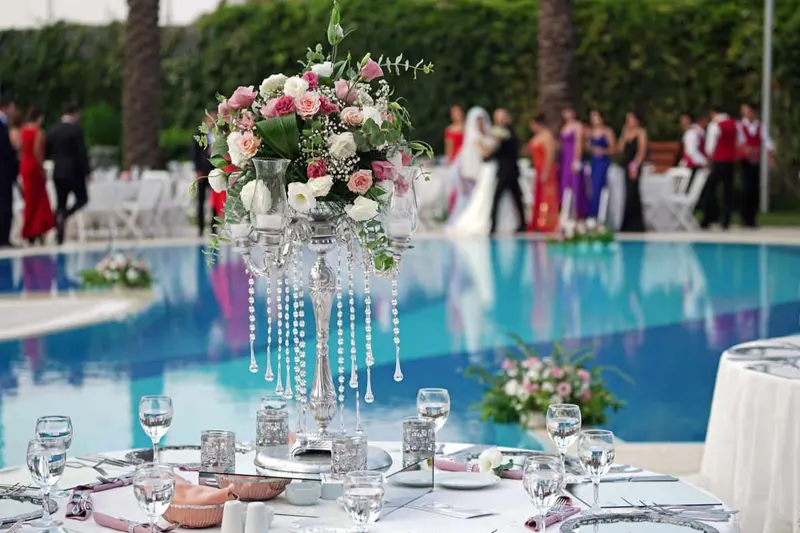
October evening cooling makes outdoor reception dining more comfortable than summer heat but requires planning for temperature decline as celebrations extend. Early October receptions might proceed entirely outdoors without heating supplementation, particularly when ending by 10pm or 11pm before significant temperature drops. Mid to late October benefits from heating provision through patio heaters, fire pits, or venues with retractable glass walls allowing outdoor ambiance with temperature control.
Guest comfort varies dramatically based on individual cold sensitivity, with some guests finding 16 degree evenings perfectly pleasant while others feel uncomfortable without substantial layering. Providing pashminas, blankets, or wraps for guest use addresses diverse comfort needs without requiring everyone to bring personal cold-weather gear. Venue layout allowing circulation between outdoor and indoor spaces accommodates temperature preferences, with some guests remaining outside enjoying fresh air while others retreat to warmer interior areas during coldest evening hours.
Photography Lighting and Conditions
October provides exceptional photography lighting that summer months struggle to match, with golden hour arriving earlier in evening creating longer optimal shooting windows. The combination of comfortable temperatures preventing subject discomfort, dynamic cloud formations adding visual interest to skies rather than monotonous summer blue, and reduced harsh shadows from lower sun angles creates superior photography conditions when weather cooperates.
However, October’s increased cloud cover variability means photographers must adapt to changing light conditions more frequently than summer celebrations. Overcast periods create diffused light excellent for portraiture but requiring different technical approaches than bright sunshine, while dramatic storm clouds approaching or clearing generate spectacular backgrounds demanding quick shooting to capture before conditions change. Experienced photographers embrace this variability as creative opportunity rather than limitation, though couples should verify photographers demonstrate comfort with diverse lighting scenarios rather than only sunny weather expertise.
Guest Experience and Packing Guidance for October Celebrations
Ensuring guest comfort at October weddings requires clear communication about weather expectations and appropriate packing recommendations addressing temperature variability and occasional rain possibilities.
What Guests Should Pack for October Turkey Visits
Wedding information materials should provide specific October packing guidance helping guests prepare appropriately without over-packing for every possible condition. Essential items include lightweight layers allowing temperature adaptation throughout days, perhaps cardigans, light jackets, or pashminas suitable for evening cooling. Daytime remains warm enough for summer clothing including sundresses, short sleeves, and shorts or skirts, though bringing one or two long-sleeve options addresses cooler periods or personal temperature preferences.
Formal wedding attire should accommodate pleasant but not tropical temperatures, with guests selecting cocktail dresses and suits appropriate for comfortable outdoor conditions rather than assuming air conditioning necessity throughout celebrations. Women might bring light wraps or shawls matching formal outfits for evening temperature comfort without compromising style. Men can select lightweight suit fabrics knowing October warmth doesn’t require winter-weight garments but also won’t create overheating that very lightweight summer fabrics address.
Rain preparedness should include compact umbrellas or light rain jackets without suggesting constant precipitation expecting, framing rain gear as sensible precaution for occasional showers rather than daily necessity. Swimwear remains essential as October swimming proves very pleasant, along with beach and pool accessories for resort relaxation between wedding events. Comfortable walking shoes support exploration activities, while sun protection including hats, sunglasses, and sunscreen address still-strong October Mediterranean sun.
Managing Guest Expectations About Weather Variability
Communication should present October weather honestly without creating excessive concern, acknowledging that conditions typically prove excellent while some variability exists compared to summer reliability. Useful framing might describe October as offering lovely warm autumn weather, generally sunny with occasional showers possible, and comfortable temperatures ideal for celebration participation without summer heat extremes. This messaging creates realistic expectations without suggesting weather represents problematic uncertainty requiring guest anxiety.
Some couples provide weather probability statistics on wedding websites, noting that October sees sunshine approximately 75% to 85% of days with pleasant temperatures ideal for outdoor celebrations, while acknowledging that backup plans exist for the minority of days encountering rain. This data-driven approach helps analytically-minded guests assess conditions while demonstrating couple preparedness through contingency planning references.
October Compared to Alternative Wedding Months
Understanding October’s position within Turkey’s wedding season calendar helps couples evaluate whether autumn timing truly suits their priorities or whether alternative months better serve specific needs.
October Versus Peak Summer Months
July and August provide maximum weather reliability with essentially zero rain probability and guaranteed sunshine, though creating heat challenges that October avoids. Summer temperatures regularly exceeding 33 to 38 degrees make formal outdoor celebrations uncomfortable, limit activity options during hottest midday hours, and create genuine health risks for heat-sensitive guests. The tourist saturation during European summer holidays creates crowded conditions, higher pricing, and reduced destination authenticity that October’s shoulder season timing eliminates.
October trades minimal rain possibility for substantially better celebration conditions through comfortable temperatures, enhanced guest experience from reduced crowds, superior photography lighting, and budget advantages from shoulder season pricing. Most couples prioritising overall celebration quality over absolute weather certainty find this trade compelling, particularly when recognising that October rain probability remains relatively low and typically brief when occurring.
October Versus September Timing
September represents alternative shoulder season option offering similar advantages to October with slightly better weather reliability, as early autumn maintains warmer temperatures and lower rain probability than month’s end. However, September still sees substantial tourist presence from late summer holidays, particularly early month, reducing crowd-avoidance benefits that full October delivers. Pricing advantages prove comparable between months, with both demonstrating 10% to 20% savings versus peak summer.
The choice between September and October often depends on specific timing within months, as late September closely resembles early October conditions while early September still feels distinctly summer-like. Couples should consider actual wedding date positioning rather than month labels alone, recognising that September 25th and October 5th demonstrate more similarity than September 5th and September 25th despite residing in same nominal month.
October Versus Late Autumn Months
November extends shoulder season further with even better pricing and minimal crowds, though weather deteriorates substantially with temperatures dropping to 15 to 20 degrees, rain probability increasing to 35% to 45%, and swimming becoming uncomfortable for most guests as sea temperatures fall below 20 degrees. December through February represent winter season with frequent rain, cool temperatures, and limited appeal for outdoor celebrations despite rock-bottom pricing.
October thus represents the final month maintaining genuinely pleasant celebration conditions before autumn weather transition makes Turkey weddings significantly less appealing. Couples wanting shoulder season benefits without compromising weather quality should select early to mid-October timing, capturing optimal balance before late October hints at approaching winter through cooler temperatures and increased precipitation.
Frequently Asked Questions
Is October too risky for outdoor ceremonies given the increased rain possibility?
October rain probability around 20% creates genuine but manageable weather risk that most couples find acceptable given the substantial advantages October timing provides through comfortable temperatures, reduced crowds, and pricing benefits. The key involves understanding that 20% monthly rain probability does not mean continuous precipitation or even that rain affects majority of wedding hours when it occurs, as October precipitation typically arrives in brief intense showers rather than all-day events. Many October rain days see morning or late evening showers with afternoon ceremony and evening reception timing remaining completely dry, allowing celebrations to proceed as planned even on technically rainy days. Additionally, the rain that does occur often clears rapidly, creating dramatic post-storm skies and fresh atmospheric conditions that photographers appreciate and that create memorable celebration ambiance rather than ruining events. Couples can substantially mitigate October rain risk through venue selection prioritising properties with covered outdoor spaces or seamless indoor-outdoor flow allowing rapid adaptation if weather deteriorates, ceremony timing targeting statistically drier late afternoon hours when brief morning showers have passed, and maintaining realistic perspective that even if rain occurs during celebrations, modern venues and professional coordination ensure events proceed successfully with minor adjustments rather than catastrophic failures. The comparison involves weighing this moderate rain possibility against July and August heat extremes creating genuine guest discomfort and limiting celebration activities, tourist crowds diminishing destination experience, and premium pricing straining budgets. Most couples conducting this analysis conclude that October’s minor weather risk proves worthwhile given the substantial quality improvements across other celebration dimensions, particularly when recognising that backup planning can address rain scenarios while nothing resolves peak summer heat and crowds. Couples genuinely unable to accept any weather uncertainty should select summer timing, though realistic assessment suggests that October risk remains quite manageable for those prioritising overall celebration excellence over absolute meteorological certainty.
How much temperature variation exists between early and late October for planning purposes?
October demonstrates noticeable temperature progression as the month advances, with early October maintaining near-summer warmth while late October brings definite autumn cooling that influences celebration planning and guest experience. Daytime temperatures decline approximately 4 to 6 degrees Celsius from early to late October, moving from 26 to 28 degrees in early month to 20 to 24 degrees by month end, while evening temperatures show even more dramatic shifts from 18 to 20 degrees early month to 13 to 16 degrees late October. This progression creates meaningful differences in celebration conditions, with early October weddings proceeding almost identically to September events through warm swimming-friendly days and comfortable outdoor evenings, while late October celebrations require more substantial evening heating provision, see reduced guest swimming interest, and benefit from indoor venue space for temperature-sensitive attendees. The sea temperature variation proves less dramatic than air temperature changes, declining only 2 to 3 degrees across the month from 24 to 25 degrees early October to 20 to 22 degrees late month, though this modest change still affects swimming appeal particularly for guests from northern climates. Couples selecting October timing should consider whether wedding dates fall early, mid, or late month when evaluating weather planning, with those booking October 1st to 10th expecting conditions closely matching September warmth while dates after October 20th should plan for noticeably cooler autumn weather requiring enhanced heating provision and reduced outdoor timing confidence. Mid-October dates around October 10th to 20th capture transitional conditions balancing summer warmth remnants with emerging autumn freshness, often representing optimal timing within the month for couples wanting pleasant temperatures without peak summer heat while avoiding late October’s more dramatic cooling. Weather forecasts become increasingly relevant for October planning compared to summer celebrations where conditions prove highly predictable, with couples benefiting from monitoring ten-day forecasts approaching wedding dates and communicating any significant departures from expected patterns to guests and vendors allowing appropriate adaptation.
Should we provide heating equipment for outdoor October receptions or is natural temperature adequate?
Whether October receptions require supplemental heating depends on specific timing within month, celebration duration extending into late evening hours, and guest demographic tolerance for cooler temperatures. Early October celebrations ending by 10pm or 11pm typically proceed comfortably without heating provision, as evening temperatures remain in the pleasant 18 to 20 degree range that most guests find acceptable particularly when moving between dancing and dining creating natural body warmth. Late October events or those extending past midnight benefit from heating options addressing the 13 to 16 degree evening temperatures that prove genuinely cool for stationary guests wearing formal attire designed more for aesthetics than warmth. The guest demographic consideration involves recognising that elderly relatives, guests from tropical climates unused to any coolness, or those with poor circulation feel uncomfortable at temperatures that younger healthy guests from temperate regions find perfectly pleasant, requiring couples to accommodate most temperature-sensitive attendees rather than assuming everyone matches couple cold tolerance. Heating provision options range from minimal interventions like providing pashminas or blankets for guest use costing £3 to £8 per piece for quality options, through patio heater rental creating warmth zones at £40 to £80 per heater for 8 to 12 units covering reception space, to fire pit features combining heating function with dramatic visual elements at £100 to £300 per installation. Many luxury venues include heating capability in standard packages, maintaining retractable glass walls or permanent heating infrastructure allowing temperature control without additional rental expense. Couples should discuss heating with venues during planning, understanding what options exist and associated costs, then making informed decisions based on wedding timing and guest demographics rather than generic assumptions about October requirements. A useful decision framework involves providing heating for late October dates after October 20th or any celebrations extending past 11pm regardless of month timing, considering heating for mid-October events based on specific forecast and guest demographics, and potentially skipping heating for early October weddings ending by 10pm unless guest list includes many elderly relatives or tropical climate residents. The cost-benefit analysis recognises that while heating represents modest expense relative to total wedding budgets, its impact on guest comfort proves substantial when needed, making this worthwhile investment rather than false economy that leaves guests uncomfortable throughout celebrations.
How do October conditions affect multi-day celebration programming and guest activities?
October weather influences multi-day wedding week programming through comfortable temperatures supporting extended outdoor activities, reduced tourist crowds enabling better excursion experiences, but requiring flexibility accommodating occasional rain that summer timing avoids. The temperature advantage proves substantial for daytime group activities, as October warmth allows boat trips, historical site tours, and adventure excursions without the oppressive heat that makes July and August midday outdoor programming genuinely unpleasant. Guests appreciate exploring ancient ruins or hiking nature trails at 24 degrees rather than enduring 36 degree summer temperatures creating heat exhaustion risks and limiting sustainable outdoor activity duration. Beach and pool activities remain fully viable throughout October with warm swimming conditions and comfortable lounging temperatures, though late October may see reduced guest swimming interest as those from cooler climates feel less compelled to enter water than peak summer heat would motivate. The occasional rain possibility requires activity programming flexibility, maintaining backup indoor options or rescheduling capability if forecast predicts precipitation during planned excursions. However, this flexibility typically proves manageable through monitoring forecasts and adjusting timing rather than canceling activities entirely, as October rain patterns of brief intense showers mean that postponing activities by few hours often allows proceeding after weather clears. The reduced tourist presence during October dramatically enhances group activity quality, with historical sites accessible without overwhelming crowds that summer brings, restaurants easily accommodating groups without extensive advance booking, and general destination navigation proceeding smoothly rather than fighting peak season congestion. Many guests report that October Turkey visits feel more authentic and enjoyable than summer timing precisely because reduced tourism allows genuine cultural engagement rather than tourist attraction experience. Couples planning October wedding weeks should embrace the comfortable activity conditions while building schedule flexibility accommodating occasional weather variability, perhaps maintaining one or two completely unstructured free days allowing spontaneous adjustment if specific activity days encounter poor weather. Communication should frame October conditions honestly, noting that while lovely weather proves most likely, occasional showers may require activity timing adjustments though alternative indoor entertainment exists if outdoor plans prove impossible.
What specific weather-related contingencies should October wedding contracts address?
October wedding contracts should explicitly address weather contingency scenarios that summer contracts might omit given near-certain sunshine, ensuring clear understanding about backup locations, timing flexibility, and vendor responsibilities when weather requires adaptation. Essential contract elements include detailed backup location specifications showing exactly where ceremonies move if rain affects primary outdoor sites, with walkthrough verification that backup spaces actually accommodate guest counts and provide appropriate ambiance rather than inadequate fallback options that contracts mention but venues never properly prepared. Timing flexibility provisions should address whether ceremony or reception timing can shift by 30 to 60 minutes if brief showers require waiting for clearing, understanding who makes these decisions and how guest communication occurs about any changes. Vendor performance obligations during weather disruptions require clarity, particularly for photographers and videographers whose contracts should specify coverage continuation if weather forces location changes or timing adjustments rather than treating changes as optional coverage they might decline. Outdoor heating provision deserves explicit contract language when relevant, stating whether venues provide heating equipment as included service or charge additional fees, what heating capacity exists, and at what temperature thresholds heating activates automatically versus requiring couple requests. Tent or marquee rental terms should clarify cancellation windows if couples order weather protection but actual forecasts suggest unnecessary expense, understanding any deposits at risk if canceling within short timeframes versus full refunds for adequate advance notice. Some couples include force majeure clauses addressing truly extreme weather making celebrations impossible, though October conditions rarely reach severity justifying complete cancellation versus venue or timing adjustments that allow proceedings. The goal involves eliminating ambiguity about weather contingency procedures through detailed contractual specifications preventing disputes when decisions require rapid execution without time for negotiation, ensuring all parties understand exactly what backup plans entail and what responsibilities each vendor maintains regardless of weather conditions. Couples should review these provisions carefully during contract negotiation rather than assuming standard language adequately addresses October-specific scenarios, asking explicit questions about backup procedures and requesting detailed written specifications that generic weather clauses may omit.
Does October timing create any disadvantages beyond weather considerations we should evaluate?
Beyond weather variability, October timing creates few genuine disadvantages for Turkey destination weddings, though couples should consider several non-meteorological factors ensuring October truly suits their circumstances. The primary consideration involves guest availability, as October falls within normal work schedules without the vacation time flexibility that summer months provide when many people take extended breaks. Families with school-age children face constraints from term time making multi-day destination wedding attendance challenging unless timed around half-term breaks that vary by UK region. Professional guests may struggle taking time off during busy autumn work periods, particularly in industries where September and October represent peak seasons following summer slowdowns. Couples with guest lists including teachers, academics, or others in education sectors may find summer timing provides better attendance than October when new academic years create demanding schedules. However, many couples actually prefer October work schedule constraints precisely because they create natural filtering toward truly committed attendees, with those unable to attend having legitimate rather than discretionary conflicts that feel less personally disappointing. The daylight consideration affects celebration timing and photography, as October sunset arrives substantially earlier than June or July, occurring around 6pm to 6:30pm rather than 8pm summer sunsets. This compressed evening daylight window influences ceremony timing forcing earlier starts if couples want golden hour photography coverage, limits post-ceremony outdoor photography duration before darkness, and creates shorter periods for outdoor cocktail hours before requiring artificial lighting. However, many couples appreciate earlier event timing allowing reasonable conclusion hours without celebrations extending until 2am, creating more manageable schedules for guests with children or elderly relatives. The seasonal associations sometimes influence decision-making, with some couples feeling that autumn weddings lack the romance or celebration energy that summer timing provides through longer days, warmer temperatures, and general cultural associations between summer and festivity. However, other couples specifically seek autumn atmosphere appreciating cooler elegance, dramatic seasonal transitions, and escaping ubiquitous summer wedding season where every weekend sees multiple celebrations creating guest event fatigue. The ultimate evaluation requires couples honestly assessing whether their specific circumstances including guest demographics, work schedule constraints, aesthetic preferences, and budget priorities genuinely favour October timing or whether alternative months better serve their needs despite forfeiting shoulder season advantages.