


A three-day wedding in Kalkan can begin as a straightforward idea. A relaxed welcome evening, the wedding itself, and something easy on the final day. Then the plan grows. Each event acquires its own venue and its own setting, and the group ends up being moved across town three times in three days.
The result can be three attractive events connected by too much travelling. In Ramarossi’s operational experience, that is where a multi-day programme stops feeling generous to guests and starts feeling like a schedule they have to keep up with.
The strongest three-day structure is normally the one in which variety is selective. Protect the main wedding as the highest-complexity event, keep at least one supporting event close to where the bulk of the group is staying, and avoid changing both the venue and the guest base on every day. Movement earns its place when the experience it creates is worth the transport, coordination and recovery time it costs.
Exactly how that works out depends on your guest group, your accommodation pattern, the venues you choose and the conditions in each venue contract. This article is about sequencing rather than venue selection, so if you are at the earlier stage of planning a destination wedding in Kalkan, start there.
The Three-Day Kalkan Wedding in One Sentence
Day one should help guests settle in, day two should carry the main production, and day three should let people reconnect and recover before they travel home.
The labels matter less than the principle. Each day should have a different function rather than simply a different location. Three events in three settings still feel repetitive if all three ask the same thing of guests: get dressed, be collected at a fixed time, travel, stay until the transport leaves.
A quieter day is not a weaker day. It is what makes the wedding feel like the centre of the programme.
Why Too Much Movement Becomes the Problem
A change of venue looks like a single line in a plan. Operationally, it is not. Each additional location creates:
- A transport arrangement, with collection points, timings and a decision about what happens if part of the group is not ready.
- A separate round of guest communication, explained in advance and repeated on the day.
- A separate set of supplier arrangements, since access, delivery and setup conditions are specific to each property.
- Another dependency in the timetable. If one event finishes late, the next starts late, and the following day pays for it.
Kalkan adds a consideration of its own. Accommodation and event spaces sit across a town built on a slope above the bay, and properties that look close together on a map are not automatically close together for a group travelling at once. That is a reason to plan guest movement deliberately, and to check access arrangements with each property directly.
A Practical Three-Day Structure
The structure below is a working model rather than a formula, built around function and complexity rather than around finding three different settings. The broader principles that apply anywhere in the country are covered in our guide to planning a multi-day wedding in Turkey; what follows is about how those days behave in Kalkan.
| Day | Main Purpose | Sensible Complexity Level | Guest-Movement Principle |
|---|---|---|---|
| Day 1: Welcome / arrival | Reconnect the group and open the weekend without a full production | Low | Keep it within easy reach of the main guest base where practical |
| Day 2: Wedding | Carry the design, the formality and the main supplier setup | High | This is the movement worth organising properly and communicating in detail |
| Day 3: Farewell / recovery | Give the group a social close and a flexible departure | Low to moderate | Easy to join, easy to leave, light on fixed timings |
Plenty of couples run a different shape, including two events rather than three. The test is not whether the programme matches this table, but whether each day is doing a different job.
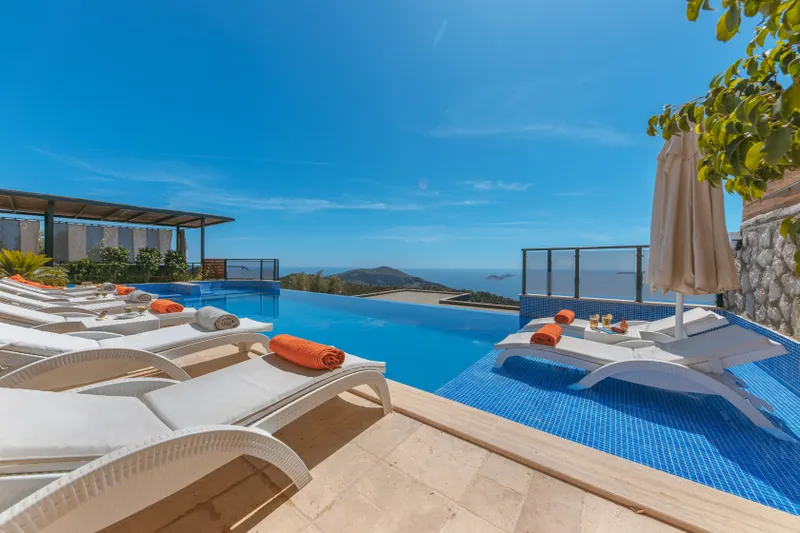
Day One: Make Arrival Feel Easy
In Ramarossi’s operational experience, a destination wedding group arrives across a window rather than at a single moment, so an event built around one fixed arrival time puts the most pressure on the people whose travel is least flexible. A first evening that works well is one people can join as they are ready, with a clear meeting point, a simple instruction about timing, and a format that tolerates someone arriving an hour late.
What day one does not need is a full production. If the welcome event approaches the wedding in scale, it competes with it, spends the energy of a group that has just travelled, and sets an expectation about pace that the rest of the weekend then has to meet.
Where practical, keeping the first event within easy reach of the main guest base removes a transport operation from the day on which your group is least settled.
Day Two: Let the Wedding Carry the Complexity
If one event is going to justify a more ambitious venue, organised guest transport, a longer supplier setup and a tightly run timetable, it is the wedding. That is the day guests have travelled for, and the day on which coordination effort is most visible in the result.
This is a planning principle rather than a rule. Some couples deliberately put the largest production into a cultural event instead. Either way, the supporting events should protect the main day rather than compete with it. A long, late first night changes how the group arrives on day two.
It is also the day on which guest movement should be organised rather than left to guests: a communicated departure time, a known return arrangement, and a plan for anyone who needs to leave earlier or stay later. What each venue permits, including access times, setup windows and finishing times, is specific to that property and should be confirmed in writing.
Day Three: Give Guests a Softer Finish
A farewell event has a different job. It exists so the group can see each other once more without the formality of the wedding day, not so the couple can produce a third event.
Departure days are fragmented by nature. Part of the group leaves in the morning, part in the evening, and some stay on. An event that requires everyone in one place at one fixed time works against that; one that runs across a window, with a later start and an informal structure, lets people arrive around their travel and leave without apologising.
Formats vary with the group: a long, slow meal, something on the water, or an open house at the villa where the family is staying. The right choice depends on how much energy the group has left and how much travel the event asks of them on a packing day.
When Is a Second or Third Venue Actually Worth It?
Moving guests is worth doing where the second location delivers something that cannot reasonably be created at the main property. The problem is not additional venues. It is venues chosen so that each day looks different in photographs.
Before committing to another location, work through these questions:
- Does this venue add a distinct experience, or a similar experience somewhere else?
- Will guests understand why they are being moved once they arrive?
- Does the event justify the extra coordination and supplier arrangements it creates?
- How much of the group’s free time does the travel consume, in both directions?
- Does the move create an accessibility problem for anyone in the group?
- Does the schedule still contain recovery time once the move is added?
If the first question produces a weak answer, the move is decorative. If it produces a strong one, the rest is about making the move work rather than whether to make it.
Keep One Guest Base Where Practical
One principal guest base, or a small number of coordinated accommodation points, does more for a three-day programme than any single venue decision. It simplifies the instructions you send, the collection points you manage, the transport you arrange and the recovery time between events, because returning to the same place is the one journey nobody has to think about.
Which part of Kalkan suits your group, and whether a villa cluster or a set of boutique properties suits it better, is a separate decision. The point here is narrower: how often the group changes base should be a deliberate choice, not a by-product of booking venues one at a time.
How Much Free Time Should a Three-Day Wedding Include?
A destination wedding is also a trip. Guests have paid for flights and accommodation, and part of what they are buying is time in Kalkan rather than time at your events. A programme that fills every morning, afternoon and evening removes the reason people were pleased to be invited.
Free time is worth protecting in four places in particular:
- After travel, so people can arrive properly before the first event.
- Before the wedding, which is also where your timetable absorbs delay.
- After any late event, rather than scheduling something early the next morning.
- On the departure day, around whatever the final event is.
Across three days, that means fewer scheduled hours than couples expect when they first sketch the weekend.
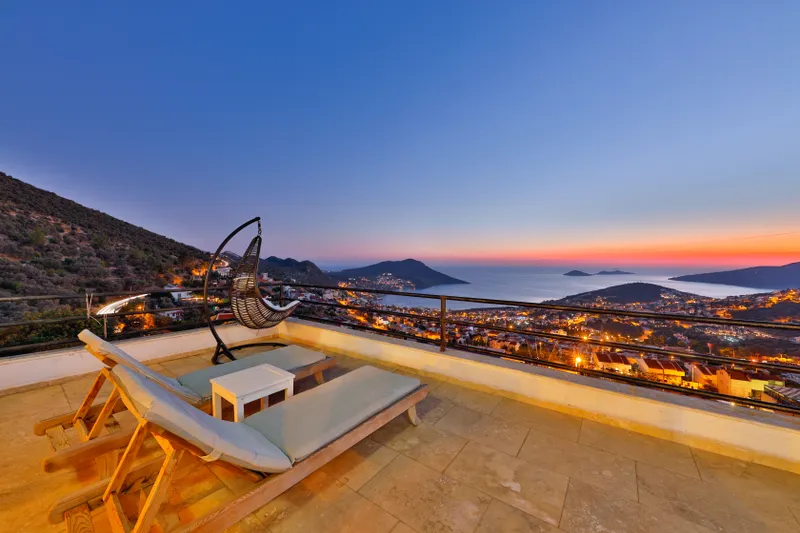
The Planning Question Couples Forget: What Happens Between Events?
Attention goes to the events themselves. The difficulty in a multi-day programme sits in the gaps: the hour when guests are returning to their accommodation, the window when a supplier breaks down at one property and sets up at another, the moment the transport plan changes because the ceremony started late.
The questions that decide whether a three-day programme feels calm are unglamorous:
- How do guests find out what is happening each day, and who answers them when plans move?
- Where does each supplier need to be next, and how long does that transition realistically take?
- What has to be reset, moved or returned between events, and who is doing it?
- What happens to the transport plan if one part of the programme overruns?
These are the parts of a wedding weekend that nobody photographs and everybody feels.
How Ramarossi Plans a Multi-Day Kalkan Wedding
The value of full planning across a multi-day wedding is not that three attractive places get booked. It is that the three days operate as one connected plan rather than three bookings that happen to fall in the same week. Depending on the agreed scope, our wedding planning services can cover:
- Venue search and shortlisting against the shape of the programme you want.
- Event sequencing across the three days, including which event carries the production.
- Guest-flow and transport coordination between accommodation and each event.
- Supplier coordination, including setup windows and transitions between properties.
- Design and production across the programme rather than event by event.
- Accommodation coordination, so the guest base and the event plan are built together.
- Event-day delivery.
Venue conditions, availability, permissions, transport performance and pricing remain matters for the properties and suppliers concerned, and the terms that apply to your wedding are those in your own contracts. The objective is not to remove every transfer from a Kalkan wedding weekend. It is to make each transfer intentional.
Final Takeaway
A successful three-day Kalkan wedding does not require three complicated event days. Give each day a clear function, spend the complexity where it improves the experience, and keep the lower-priority movements simple. Variety comes from what each day asks of guests.
If you are planning a multi-day wedding in Kalkan and want to work out how your guest accommodation, venue ideas and event programme fit together as one plan, we are happy to talk it through. Your approximate guest numbers, dates and the events you have in mind are enough to start a conversation about a wedding in Kalkan that works for the people you are bringing with you.
Frequently Asked Questions
How many events should a three-day Kalkan wedding include?
Three headline events across three days is a workable maximum for a lot of groups, and some programmes work better with two. Spacing matters more than number: a fourth event in the same three days removes the recovery time that makes the others enjoyable.
Should every event be at a different Kalkan venue?
No. A different venue for each event adds transport, communication and supplier coordination to every day. A second or third location is worth it where it delivers something the main property cannot.
Is it better to keep wedding guests in one accommodation area?
Concentrating the group in one principal base, or a small number of coordinated properties, simplifies transport, instructions and recovery time between events. Which area or property type suits your group is a separate question.
How much free time should guests have during a three-day wedding?
Enough that they are not scheduled across every morning, afternoon and evening. Free time matters most after travel, before the wedding day, after a late event and around departures.
Should the welcome event be simpler than the wedding day?
In Ramarossi’s operational experience, yes. A welcome event close in scale to the wedding competes with it, spends the energy of a group that has just travelled and raises expectations about pace for the rest of the weekend.
Is a boat day a good third-day event in Kalkan?
A boat day suits some guest groups, but it changes timing, accessibility and departure planning. Whether it belongs before or after the wedding should be decided around the specific group and the wider programme.
Can Ramarossi coordinate several events across a Kalkan wedding weekend?
Yes. Within the agreed planning scope, we can coordinate venue search, event sequencing, supplier coordination, guest-flow and transport planning, design and event-day delivery, so the three days are planned as one connected weekend.