
Persian Wedding Vows: Meaning, Farsi Promises and Personal Examples
How to write meaningful Persian wedding vows in English or Farsi, without confusing optional personal promises with the formal Aghd ceremony.
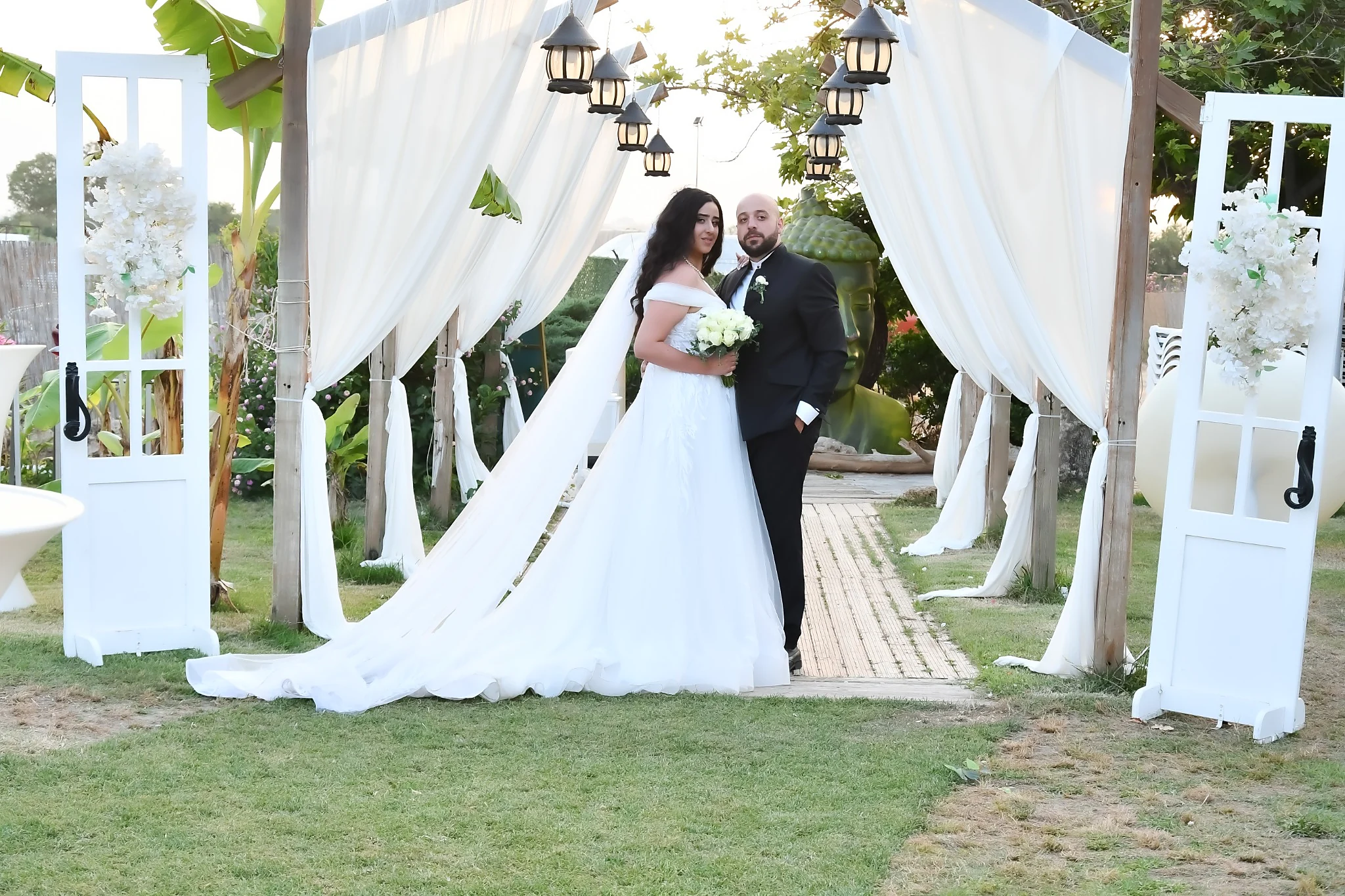
What are Persian wedding vows? In English, this phrase is often used for words of love or commitment spoken at a Persian wedding. But a traditional Aghd is centred on a marriage-contract ceremony and consent; it does not universally require the Western-style exchange of individually written “I promise…” vows. Some modern couples add their own promises, a Persian-language reading or a short speech—often as a separate personal moment.
The most meaningful approach is to distinguish what is part of a family’s ceremonial practice from what the couple wants to say in their own voice. A bilingual reading can reflect Iranian heritage; an original promise can connect to a shared experience; a respectful family tribute can be more personal than borrowed literary language. None should be presented as a universal ancient Persian formula.
This guide explains the difference, offers a simple writing method and includes original, illustrative vow examples in English and Farsi. The examples are creative text for couples to adapt, not official wedding readings, translations of religious wording or scripts authorised for an Aghd.
Traditional Persian Aghd Words vs. Modern Personal Vows
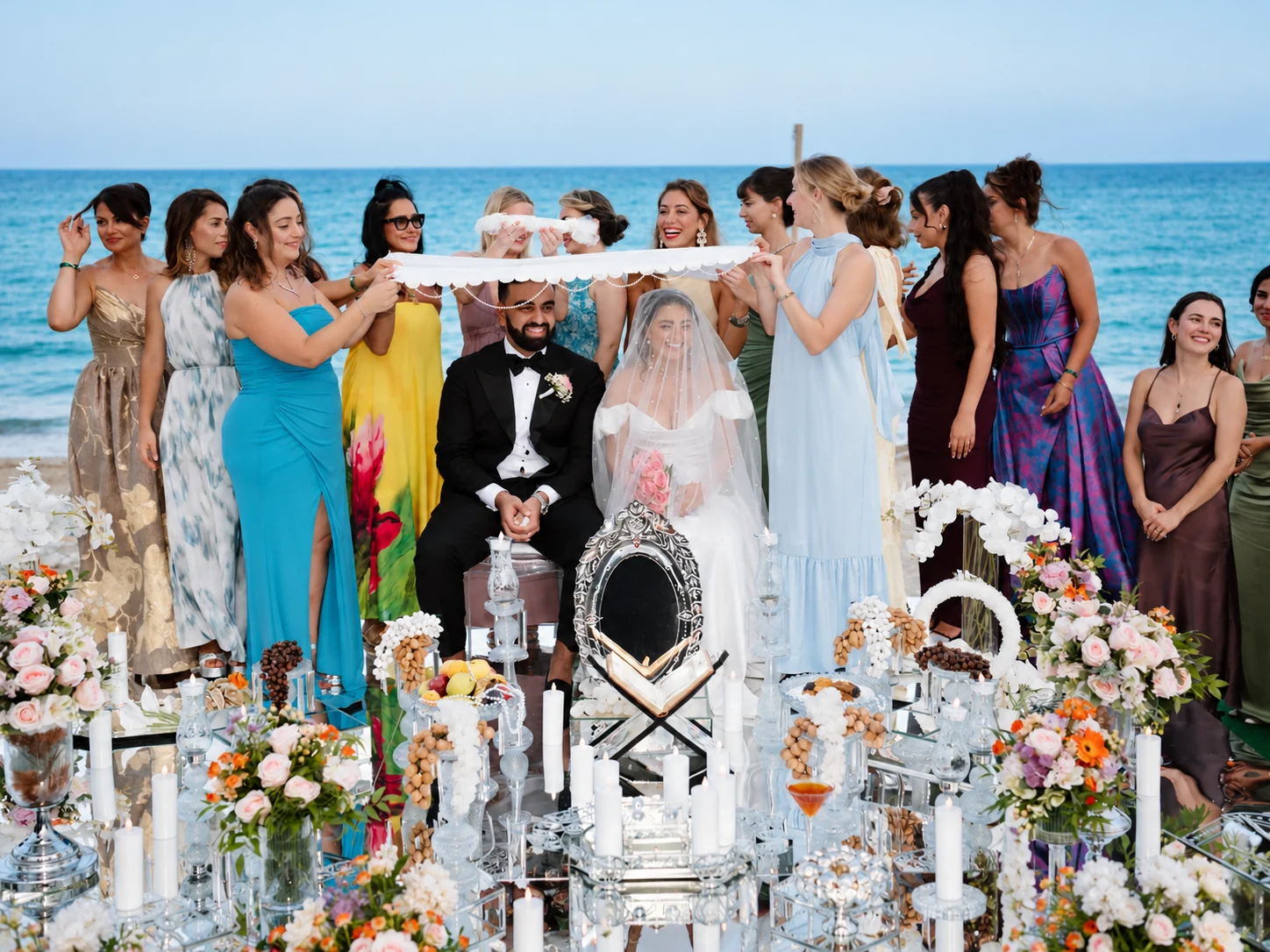
In historical descriptions, Aghd is the marriage-contract ceremony, while Aroosi refers to the subsequent wedding celebration. In the traditional Aghd described by Encyclopaedia Iranica, a cleric reads the marriage contract and asks for the bride’s consent. The setting may include a Sofreh Aghd, a mirror, symbolic foods and participation by family members. Details differ by region and community.
The historical account of Aroosi shows that ceremony and reception can be distinct events. Its descriptions are examples from historical Iranian communities, not one contemporary legal or religious script for everyone of Persian heritage.
When a couple talks about “writing our Persian wedding vows,” they may mean something quite different: short promises shared during a personal ceremony, an introduction to a poetry reading, a speech to guests or intimate words exchanged privately. This optional creative wording is not a substitute for any required formal or religious proceeding.
If the couple is having an officiated Aghd, its authorised words and sequence should be agreed with the responsible officiant or religious authority. The wedding planner coordinates the approved event flow and appropriate venue setting, not the validity or formal content of marriage proceedings.
It is fine for a modern celebration to include both kinds of moment: a family-led tradition and a separate personal reading. What matters is that guests and suppliers understand which is which.

How Do You Say “Vow” in Farsi?
There is no need to invent one exclusive Persian phrase meaning “wedding vows.” The word vow in English can suggest a solemn oath, a covenant or a personal promise; Farsi has related but distinct words. For general language context, dictionaries record سوگند (sowgand) as “oath,” عهد (ahd) as a “promise” or “covenant,” and قول (ghowl, often said ghol) as one’s “word” or a promise. Dehkhoda’s dictionary describes sowgand as an oath; Persian–English lexicons describe ahd and ghowl in the context of pledges and promises.
For a modern personalised sentence, “I promise” can be expressed as قول میدهم. That is everyday promise language, not a prescribed marriage-contract formula. If your family has a particular religious or regional ceremony, ask someone qualified and familiar with that community to confirm the actual formal wording separately.
Spelling and pronunciation can vary in English transliteration. A family member who speaks Farsi fluently can help the couple make a short text sound natural, especially if it will be heard by several generations.
What Should You Include in Meaningful Persian Wedding Promises?
Start with the relationship rather than a generic cultural quotation. An excellent vow is not necessarily long or full of grand claims. The strongest personal promises are specific to the two people speaking them and realistic enough to remain true beyond the wedding day.
Begin with one shared memory
Choose a genuine moment that says something about your bond: the first time your partner helped you through a challenge, a conversation that changed how you see the future or the way you both welcomed each other’s relatives. One clear memory usually means more than several dramatic metaphors.
Express admiration without exaggeration
Tell your partner what you value: patience, humour, generosity, courage or the ability to make ordinary days feel good. Avoid promising perfection. Credible words about everyday life sound more personal than an elaborate pledge to never disagree.
Make two or three practical promises
Commit to listening, choosing kindness during difficult conversations, being present for family responsibilities or creating a welcoming home. The promises should be ones you both genuinely want to keep, not borrowed lines you would never say outside the ceremony.
Close with a shared intention
Describe the future you want to build in a few words. If a Farsi expression is meaningful to your family, use it carefully. If not, writing plainly in English can be just as respectful of your Persian heritage.
Original Persian Wedding Vow Examples to Adapt
The following short texts were written for this article as illustrative, optional personal vows. They are not traditional Aghd recitations. Adapt them to your relationship and discuss their placement with anyone responsible for the formal ceremony.
Example 1 · Simple and sincere · English
“I love the life we are building together. I promise to listen with patience, to speak to you with respect, and to celebrate the small moments that make our days ours. I will stand with you as we grow.”
Example 2 · Family and heritage · English
“Our families have given us stories, kindness and a sense of belonging. I promise to honour what matters to us, to make room for new traditions, and to welcome each chapter of our life with an open heart.”
Example 3 · Short promise · English
“I choose to keep learning who you are. I promise honesty when life is difficult, laughter when it feels heavy, and gratitude for the ordinary days we share.”
Example 4 · Original personal promise · Farsi
قول میدهم در روزهای خوب و سخت، با احترام و مهربانی کنارت بمانم.
Meaning in English: “I promise to stay by your side, with respect and kindness, through good days and difficult ones.”
This is an original everyday-language promise, not an authentic historical Aghd script. Ask a fluent Farsi speaker to review pronunciation and personal phrasing before reading it publicly.
You may write two different pieces: private vows that are more intimate and public words suitable for a mixed-age, multilingual audience. A short reading does not need to include every detail of your love story.
How to Share Wedding Promises in Farsi and English
For an international Persian wedding, guests may speak Farsi, English, Turkish or another language. Choose a format that feels natural for the couple and understandable for those attending. Translating everything word for word can slow the event; sometimes one person can speak in Farsi and the other in English, with a short printed translation or a brief introduction.
If one partner is unfamiliar with Farsi, do not pressure them into a long recital of unfamiliar words. A single meaningful phrase rehearsed comfortably can be more moving than a memorised speech delivered without understanding. Conversely, a couple may prefer entirely English-language promises and express Persian heritage through family participation, music, the Sofreh Aghd or a reading selected by relatives.
Check the translation for tone, not just dictionary accuracy. Some formal-sounding Persian words can seem overly solemn for an intimate moment; a casual phrase may feel out of place in a family ceremony. A fluent speaker who knows the couple’s personalities can help find the right register.
If printed translations are used, plan where guests will read them without interrupting photographs or crowding the ceremony setting. For a seaside celebration, paper placement and wind are as relevant as typography.
Can You Include Persian Poetry in Your Wedding Words?
Persian literature offers a rich world of imagery about affection, friendship, separation, hope and faith. Couples sometimes choose a passage by a poet such as Hafez or Rumi to reflect a feeling shared between them. But not every well-known quotation circulating online is authentic, and English translations may be copyrighted or interpret the Persian original differently.
Rather than copy a popular internet quotation, choose a text with a trustworthy attribution and an edition or translation whose use is permitted. If the poem has personal meaning, explain in your own words why it resonates. You might ask an older relative to introduce a brief reading, or reserve the literary moment for the reception rather than the formal ceremony.
Poetry is a cultural possibility, not a compulsory part of the Aghd or a universal substitute for consent and contract readings. A few authentic lines chosen thoughtfully work better than a long passage added simply because it appears “traditional.”
When Should a Couple Read Personal Vows at a Persian Wedding?
There is no single answer. The right point in the programme depends on whether the couple is hosting a formal Aghd, a separate cultural celebration, a reception or a combination. In historical accounts, Aghd and Aroosi were distinct and could occur on separate dates. Today, couples may combine them, but that does not make all parts of the programme interchangeable.
| Possible moment | Why it can work | What to confirm |
|---|---|---|
| Before the formal ceremony | A private exchange between partners | Privacy, photography and whether either person wants it recorded |
| Separate personal ceremony moment | Lets guests hear the couple’s own words | Appropriate position agreed with religious or ceremonial participants |
| After the Aghd | Separates cultural promises from contract proceedings | Transition, room setup and family photographs |
| During the reception | Pairs personal words with a toast or family reading | Audio, timing, dinner service and guest language mix |
| At an intimate dinner | Creates a quieter, more private exchange | Guest expectations and whether the reading should be public |
Private exchange in a quiet setting.
Privacy and photography preferences.
Share words with guests.
Approved place in the programme.
Keep formal and personal words distinct.
Transition and family photographs.
Combine with a toast or reading.
Microphone and dinner schedule.
More intimate, without an audience.
Who is invited and whether to record it.
Couples should never ask a wedding planner to insert personalised promises into a religious or formally officiated sequence without the relevant authority’s agreement. Ramarossi can coordinate the event logistics within the approved programme; it does not prescribe religious scripts or validate a marriage.
Five Practical Tips for Writing and Delivering Your Vows
- Use your speaking voice. Read the text aloud before deciding it is finished. Replace words you would never say in normal conversation.
- Keep the promises realistic. “I will listen when we disagree” is more meaningful than claiming you will never disagree.
- Balance the two partners. Agree approximately how personal and how long the words should be, without demanding identical scripts.
- Plan the sound. Check microphones, the audience’s distance, wind and whether a translation needs to be available.
- Carry a printed copy. Even a confident speaker may become emotional. A discreet card is often more reliable than memorising a long passage.
A venue’s architecture makes a practical difference. Spoken words on a wind-exposed Antalya terrace may require a different microphone placement from a quiet indoor ballroom. If the couple speaks while seated before a Sofreh Aghd, sightlines and camera positions also need to be agreed. Those technical decisions are made once the venue and event plan are confirmed.

Common Mistakes When Writing Persian Wedding Vows
The first is claiming that the entire Aghd traditionally consists of two partners reading handwritten English-style vows. It does not. Historical sources centre the contract and consent; the couple’s personal words, if included, are an optional additional choice.
The second is attributing an internet quote to a Persian poet without checking the original. A third is using Farsi words that neither partner understands or can comfortably pronounce. A fourth is asking someone to translate a solemn religious text as if it were a casual romantic statement. Keep religious wording with the appropriate qualified authority.
Finally, avoid making promises on behalf of your partner or relatives. Personal words should not dictate a spouse’s future role or presume a particular religious observance. When mixed-culture families come together, a promise of mutual respect is often more inclusive than a passage that assumes everyone shares one practice.
Planning Personal Vow Moments at a Persian Wedding in Antalya
If a couple is considering a Persian wedding in Turkey, personal readings should be planned around the ceremony and reception settings—not treated as a stand-alone production package. Begin with the date, approximate guest count, overall budget and cultural priorities. Decide whether the Aghd is private, whether the reception has the same guests and whether personal promises belong in either part.
Ramarossi provides bespoke full-service destination wedding planning from suitable venue selection through event design, supplier coordination and delivery. Once the venue is confirmed, the team can assess the ceremony background, available surfaces, microphone placement, guest flow and realistic timing for a personal reading. Ramarossi does not supply a religious officiant, set the Aghd’s formal words or guarantee marriage registration through this editorial guide.
For the broader cultural sequence, see our Persian wedding timeline. To understand the ceremonial setting, see the Sofreh Aghd guide. For the main destination-planning service, visit Persian Wedding in Antalya. This article remains a guide to the wording of optional personal promises, rather than a duplicate venue or ceremony-planning page.
Planning a Persian Wedding in Antalya?
Tell Ramarossi your preferred date, approximate guest count, venue atmosphere, cultural priorities and overall budget. We can discuss a bespoke full-service plan shaped around a suitable setting and the wedding moments you actually want—including space for personal words when appropriate.
Follow our celebrations
Discover beautiful weddings, private events, styling ideas and behind-the-scenes moments from Ramarossi in Turkey.
Persian Wedding Vows: Frequently Asked Questions
Do traditional Persian weddings include personal vows?
Not as a universal requirement. A traditional Aghd centres on marriage-contract proceedings and consent. Modern couples may add individually written vows or a separate reading if it fits their plans and any formal ceremonial requirements.
What does “vow” mean in Farsi?
Farsi has several related words: sowgand (سوگند) can mean an oath, ahd (عهد) a covenant or promise, and ghowl (قول) one’s word or promise. They have different nuances and are not all formal marriage-ceremony terminology.
How do you say “I promise” in Farsi?
In everyday Farsi, قول میدهم can mean “I promise.” It is suitable as a starting point for an original personal statement, not automatically as the formula for a religious marriage ceremony.
Can we write our Persian wedding promises in English?
Yes, for an optional personal reading or reception speech. Couples may also mix English and Farsi, considering the guests’ languages and any religious ceremony’s approved wording separately.
Can Persian poetry be used in wedding vows?
A carefully chosen poem or excerpt may be used as a personal reading. Verify the author, source and permissions for any modern translation, and do not present the poem as a universally required part of an Aghd.
When should couples read personal vows at an Aghd?
Ask the person responsible for the formal ceremony whether a separate personal moment is appropriate. Couples may instead read the vows after the Aghd, privately or during the reception.
How long should Persian wedding vows be?
There is no fixed cultural rule for optional personalised vows. Choose a length that feels comfortable to speak, gives both partners room and fits the agreed event programme.
Are Persian wedding vows legally required in Turkey?
Optional personal vows are not a substitute for any formal marriage procedure. If legal or religious arrangements matter to your wedding, confirm them independently with the competent authority rather than relying on an event-planning article.
Can Ramarossi plan a Persian wedding with a personal reading?
Ramarossi plans bespoke, full-service destination wedding celebrations in Turkey. The agreed event flow can include a personal reading where appropriate, but religious officiation and formal marriage procedures are outside the role described in this article.