


Women-only wedding celebrations serve dual purposes within conservative Muslim communities, maintaining religious propriety through gender separation while creating private spaces where female guests enjoy fashion freedom impossible in mixed-gender contexts. When proper privacy exists, women wearing abayas and niqabs in public transform into elaborately styled guests in designer gowns, showcasing months of preparation and substantial fashion investment visible only to other women. These celebrations require sophisticated venue design ensuring absolute privacy, luxurious atmospheres worthy of the fashion displayed, and entertainment structures that generate authentic celebration energy without male participation.
Turkish resort properties, particularly those experienced with Gulf Arab clientele, developed expertise creating women-only celebration spaces that balance privacy requirements with luxury hospitality. This specialisation extends beyond simply providing separate rooms to encompass thoughtful design of sight lines, entrance protocols, staff gender coordination, and atmosphere creation that allows conservative families to celebrate with complete confidence in privacy maintenance while accessing five-star service quality.
The following guidance addresses the unique considerations for planning women-only weddings or gender-separated celebrations with substantial female portions, drawing from Ramarossi’s 15 years coordinating luxury events for Gulf Arab, conservative Persian, and observant Muslim families requiring these specialized arrangements.
Cultural Context and Modern Evolution of Female Celebrations
Female wedding celebrations trace heritage to traditional practices across Gulf Arab, Persian, and broader Islamic cultures where gender segregation maintains family honour and religious observance. These gatherings historically occurred in family homes with complete male exclusion, allowing women privacy to celebrate, dance, and display beauty without modesty constraints that mixed-gender contexts require.
Contemporary women-only weddings evolved from these traditions while incorporating luxury hospitality infrastructure, professional entertainment, and production values matching high-end mixed-gender celebrations. Modern Gulf Arab weddings particularly demonstrate this evolution, with female portions often receiving more elaborate décor, entertainment, and overall investment than simultaneous male gatherings, reflecting where families direct aesthetic priorities and celebration focus.
The celebration dynamic differs fundamentally from mixed-gender events. Women arrive fully covered in abayas, niqabs, or conservative dress, then transform upon entering verified private spaces into guests wearing couture gowns, elaborate jewellery, sophisticated hairstyles, and dramatic makeup. This transformation represents significant cultural moment, with fashion display and beauty appreciation central to celebration meaning rather than peripheral to other activities. Photography focuses exclusively on capturing this fashion and styling investment, creating documentation women share within female social networks while maintaining privacy from broader circulation.
Generational differences increasingly influence how families approach gender separation. Older generations often insist on complete separation maintaining traditional propriety, while younger couples sometimes prefer integrated celebrations reflecting their modern lifestyles. Many families compromise with partial separation, integrating genders for formal ceremony and dinner while separating for dancing portions, or maintaining integration generally while providing separate spaces for conservative relatives uncomfortable with mixing. These variations require venue flexibility and coordinator expertise navigating family dynamics.
Essential Venue Design Elements for Women-Only Celebrations
Creating genuinely private female celebration spaces requires thoughtful venue design addressing visibility, access control, and atmosphere quality. Properties claiming capability for gender-separated events vary dramatically in actual privacy provision, requiring careful evaluation during venue selection.
Privacy Architecture and Sight Line Control
Absolute privacy requires multiple architectural elements working together. Primary celebration space must offer complete visual isolation from any areas with potential male presence, including service corridors, adjacent event spaces, or outdoor areas visible from property periphery. Windows require appropriate covering or should face directions preventing external viewing. Properties with ground-floor ballrooms opening to gardens or terraces need verification that no elevated positions from surrounding buildings or property areas allow sight lines into celebration space.
Entrance protocols represent critical privacy elements. Ideal configurations provide dedicated entrances to female celebration spaces, preventing women from transiting through mixed-gender areas or passing male gathering locations. Properties lacking dedicated women’s entrances require creating temporary privacy corridors using fabric screening, temporary walls, or pathway modifications ensuring women move from arrival vehicles directly to private space without visibility exposure. Some families station female family members at entrance points to verify no male presence before guests proceed, requiring coordination with venue teams about access control procedures.
Facilities within private spaces prevent the need for women to leave secured areas during celebrations. Restrooms, prayer facilities, and preparation areas should exist within privacy perimeter, as requiring women to transit through mixed areas to access facilities defeats privacy purpose. Luxury properties suitable for serious women-only weddings maintain ballroom configurations with integrated facilities rather than expecting guests to use separate building restrooms.
Female Staffing and Service Protocols
Complete female staffing represents non-negotiable requirement for genuine privacy maintenance. All service personnel entering women’s celebration space, including servers, bartenders, coordinators, photographers, videographers, and technical staff, must be female. This requirement extends to setup and breakdown periods when women begin arriving or remain in spaces after formal celebration concludes.
Turkish resort properties experienced with Gulf Arab celebrations maintain female service teams specifically for these events, with trained servers, bartenders, and coordination staff familiar with women-only celebration protocols. Properties lacking this infrastructure require advance planning to recruit appropriate female staff, potentially necessitating external hiring or training internal staff specifically for the event. Couples should verify female staffing capability during venue selection rather than assuming availability, as inadequate female service teams compromise celebration quality and privacy compliance.
Service protocols acknowledge that female staff accessing private spaces view unveiled women, creating trust responsibility. Many families prefer Muslim female staff who understand cultural context and privacy significance, though this preference balances against practical availability constraints. Clear communication with all female staff about photography prohibition using personal devices, respect for privacy, and appropriate professional conduct establishes boundaries preventing privacy violations.
Atmosphere Creation for Luxury Female Spaces
Women-only celebration spaces require design intensity matching or exceeding mixed-gender luxury events, as reduced space often concentrates decoration budgets and aesthetic priorities. Décor for female spaces typically embraces maximalist approaches with abundant florals, dramatic lighting, rich fabric draping, and layered textures creating visual opulence.
Lighting design particularly impacts atmosphere, with sophisticated programming creating flattering illumination for photography while generating celebration energy through colour washes, pattern projections, and dynamic changes throughout the event. Women-only spaces benefit from warmer lighting temperatures than standard event lighting, as this enhances skin tones and photograph quality, representing primary concern when fashion documentation drives celebration purpose.
Floral design in women-only celebrations often exceeds typical wedding installations, with extensive arrangements creating immersive environments rather than accent décor. Popular approaches include ceiling installations with hanging florals, entrance archways establishing arrival drama, stage backdrops for bride presentations, and abundant table centrepieces in taller arrangements creating visual impact throughout space. Roses dominate Gulf Arab aesthetic preferences, often in white, pink, and cream palettes with metallic gold or silver accents.
Furniture selection and spatial planning accommodates celebration patterns differing from mixed-gender events. Dance floors require substantial size as dancing represents central activity without the conversation clustering that moderates mixed celebration energy. Seating arrangements might include lounge areas for older women preferring conversation over dancing, separate bride seating creating focal points for congratulations and photographs, and potentially elevated VIP sections for immediate family. Some celebrations incorporate stage elements where brides make dramatic entrances or family members present performances, requiring proper stage design with appropriate backdrops and lighting.
Fashion, Beauty, and Visual Documentation Priorities
Women-only celebrations centre fashion and beauty display as primary celebration elements rather than social activities accompanying other purposes. This focus influences every planning decision from venue aesthetics through photography protocols.
Bridal Fashion for Private Female Audiences
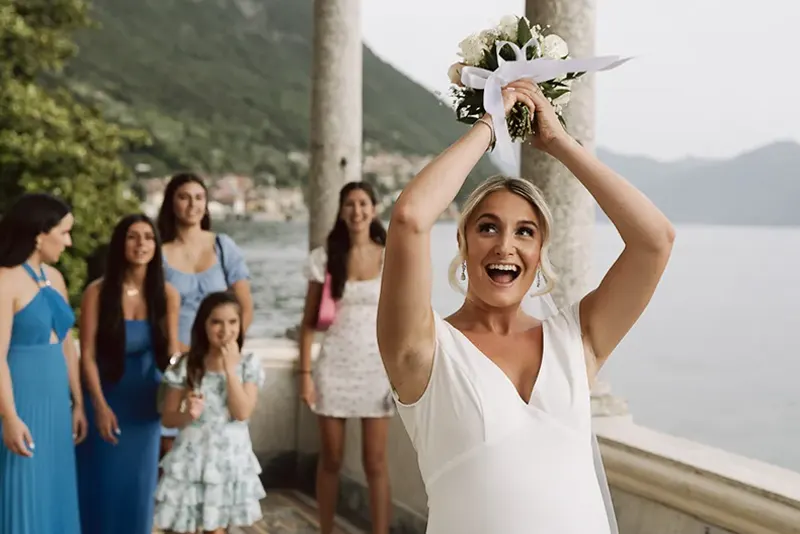
Brides planning women-only celebrations enjoy complete fashion freedom unavailable in mixed-gender contexts, selecting gowns prioritising drama and beauty over modesty compliance. Common choices include form-fitting silhouettes, low necklines, bare shoulders, dramatic back details, and high slits that conservative dress codes prohibit in male presence. Many brides select multiple gowns for women-only celebrations, changing outfits to showcase different styles and extend fashion presentation across celebration duration.
Gulf Arab bridal fashion particularly exemplifies this maximalist approach, with gowns featuring extensive crystal embellishment, dramatic trains, custom embroidery, and luxury fabric selections creating substantial visual impact. Brides often commission custom couture from designers in Dubai, Lebanon, or Europe, investing €15,000 to €50,000 or more in wedding gowns knowing these dresses receive full appreciation from female audiences. This investment level makes sense within context where women-only celebration represents the primary wedding event and fashion display constitutes central celebration purpose.
Hair and makeup for women-only weddings requires particular expertise, as unveiling allows elaborate styling invisible in covered contexts. Brides invest heavily in professional styling, often bringing specialists from Dubai, Beirut, or European cities to ensure execution matching fashion investment. Hair might feature elaborate updos, extensions creating volume and length, crown or tiara integration, and detailed curling or styling requiring hours of preparation. Makeup typically embraces dramatic aesthetics with defined contouring, false lashes, bold lip colours, and detailed eye work creating camera-ready looks designed for close-range photography and extended wear through multi-hour celebrations.
Guest Fashion and Celebration Competition
Female guests at women-only weddings treat fashion display as celebration participation, with outfit selection, styling, and accessorising representing months of preparation and substantial investment. Designer gowns, custom tailoring, luxury jewellery, and professional styling services create competitive fashion environments where women showcase taste, resources, and beauty within safe female contexts.
This competition dynamic influences celebration atmosphere, creating energy through mutual appreciation and subtle rivalry rather than through male-female romantic attraction or alcohol consumption that drives Western mixed wedding energy. Women photograph each other extensively, sharing images within female networks while maintaining privacy through controlled distribution. The fashion documentation represents lasting celebration value, with outfit choices becoming discussion topics and style references extending well beyond wedding dates themselves.
Couples planning women-only celebrations should communicate implicitly or explicitly that fashion investment merits effort, as guest participation in fashion culture substantially impacts celebration atmosphere. When guests arrive in elaborate styling, the collective visual effect creates luxury environment validating celebration investment. Conversely, minimal guest fashion effort results in underwhelming atmosphere regardless of venue quality or décor investment.
Photography Protocols and Privacy Management
Photography at women-only weddings requires female photographers familiar with cultural context and privacy requirements. Male photographers cannot access women’s spaces even with family permission, requiring couples to source qualified female professionals experienced with these celebrations. This limits photographer availability compared to mixed-gender weddings, requiring early booking particularly for peak season dates.
Female photographers experienced with Gulf Arab weddings understand that documentation focuses primarily on fashion, beauty, and decorative details rather than candid moments or documentary storytelling. Photography coverage emphasises bride portraits showcasing gown details, hair and makeup artistry, and accessory presentation. Guest fashion receives substantial attention, with many celebrations including designated portrait sessions where guests pose individually or in groups for formal photographs. Décor and venue aesthetics require detailed documentation, and dancing receives coverage capturing celebration energy and guest participation.
Privacy protocols extend to photograph distribution and usage. Most families require written agreements preventing social media posting or public portfolio usage without explicit permission. Images remain within family control for private distribution among female relatives and friends rather than entering broader circulation. Photographers must agree to delete all celebration photos from their devices after final delivery, maintaining no archive copies. These requirements protect family privacy while allowing professional documentation, requiring photographer professionalism and contract clarity about usage restrictions.
Entertainment Structures for Women-Only Celebrations
Female celebration entertainment differs fundamentally from mixed-gender approaches, emphasising dancing, music, and performative elements that generate collective energy through female participation rather than male-female social interaction.
Music Selection and DJ Services
Music for women-only celebrations embraces contemporary Arabic pop, traditional folk songs adapted for dancing, and sometimes international pop music depending on family preferences and guest demographics. Female DJs familiar with Gulf Arab wedding music understand progression patterns that build energy across celebration duration, knowing when to introduce traditional dabke music, when to feature bride-focused slow songs allowing spotlight moments, and when to accelerate tempo for peak dancing periods.
Female DJ availability presents challenges in Turkey, as most professional DJs are male. Couples have several options addressing this constraint. Some import female DJs from Gulf cities, Lebanon, or European centres with established Arabic entertainment industries, paying €4,000 to €8,000 including travel for specialists experienced with women-only Gulf weddings. Alternatively, some families accept male DJs operating from completely separate technical areas with no visual access to female celebration space, using remote equipment operation or pre-programmed systems that require minimal adjustment during celebrations. This compromise maintains technical privacy while accessing broader DJ talent pools.
Some contemporary celebrations feature live female singers or musicians performing Arabic music, creating authentic entertainment without DJ mediation. Female nasheed groups provide religiously appropriate live entertainment, while female Arabic pop singers or traditional musicians offer secular alternatives. These performers typically charge €3,000 to €10,000 depending on reputation and performance duration, representing premium investment justified by unique atmosphere live performance creates.
Dance Culture and Choreographed Performances
Dancing dominates women-only celebration energy, with guests spending substantial portions of events on dance floors in ways uncommon at mixed-gender celebrations. The freedom to dance uninhibited without male viewing creates liberation that conservative women particularly appreciate, generating authentic celebration enthusiasm and sustained high energy across multiple hours.
Some families incorporate choreographed dance performances by female relatives or hired professional dancers. Traditional dabke performances by female troupes create cultural authenticity and spectacular visual elements. Contemporary dance performances to Arabic pop music provide entertainment watching opportunities. Some celebrations feature professional belly dancers performing for female audiences, though family preferences vary on whether this entertainment type suits their celebration values.
Bride dance presentations represent highlight moments, with brides performing choreographed pieces showcasing fashion while generating celebration peaks. These presentations might occur during outfit changes, with brides returning to celebration space in new gowns then performing brief dance routines allowing guests to appreciate fashion transformations. Professional choreographers sometimes coach brides on appropriate movements and presentation, ensuring confident performance that appears natural rather than awkward or overly rehearsed.
Alternative Entertainment and Activity Stations
Beyond dancing, women-only celebrations benefit from diverse activity options accommodating guests with varied interests and energy levels. Henna stations staffed by professional artists offer decorative application opportunities, creating both entertainment and beauty experiences. Some celebrations include professional makeup touch-up stations where guests refresh styling throughout long events. Sweet tables with elaborate dessert displays create gathering points for conversation and indulgence. Photo booth installations with luxury backdrops, props, and professional lighting encourage group photographs capturing celebration memories.
Lounge areas designed for conversation provide alternatives to constant dancing, with comfortable seating, ambient lighting, and potentially separate music programming allowing different atmosphere from main celebration space. These areas particularly suit older women or guests with children, providing participation options beyond high-energy dancing while maintaining presence at celebrations.
Logistics for Dual-Space Gender-Separated Celebrations
Complete gender separation requiring simultaneous male and female celebrations presents substantial coordination complexity, requiring thoughtful planning across venue selection through execution.
Venue Selection for Dual-Space Events
Properties suitable for complete gender separation require multiple distinct event spaces with adequate separation preventing visual or audio crossover between male and female areas. Ideal configurations provide separate ballrooms in different building sections, allowing independent celebration atmosphere in each space without sound bleeding or accidental visual exposure. Properties with single large ballrooms sometimes create temporary separation using heavy curtaining or temporary walls, though this approach proves less satisfactory than genuine separate spaces with independent entrances and facilities.
Both spaces require appropriate facility integration including restrooms, preparation areas, and potentially prayer rooms within privacy perimeters. Male and female celebration areas need equivalent quality despite potentially receiving asymmetric decoration or entertainment investment, preventing perceptions that male side received inadequate attention even when families direct aesthetic priorities toward female celebration.
Service Coordination Across Separate Spaces
Dual-space celebrations require sophisticated service coordination ensuring simultaneous progression in both areas while maintaining appropriate staffing. Female spaces receive exclusively female service teams, while male spaces can use standard mixed-gender or male-only staffing. Catering timing requires synchronisation so both celebrations experience courses at appropriate intervals. Technical coordination ensures sound systems, lighting programming, and entertainment progress cohesively without one celebration lagging substantially behind the other.
Wedding coordination typically involves separate coordinators for each space, with one lead coordinator managing overall timeline and communication between teams. Female coordinators working in women’s celebration space must maintain exclusive access, requiring clear protocol about when and how information transfers to male-side coordination without compromising female space privacy.
Photography and Videography Coverage Logistics
Dual-space celebrations require separate photography and videography teams for each area, with female teams covering women’s celebration and male teams documenting male gathering. This doubles documentation costs while creating coordination challenges ensuring both teams capture key moments and provide comparable coverage quality.
Some families create asymmetric coverage allocating more resources toward female celebration documentation, reflecting where aesthetic priorities and family interest concentrate. This might involve hiring premium female photographers for extended hours while providing basic male-side coverage, or producing elaborate female celebration albums while creating minimal male documentation. Couples should communicate these priorities clearly with documentation teams, establishing which space receives primary focus without implying male celebration lacks importance.
Integration Points and Ceremonial Transitions
Even fully separated celebrations typically include brief integration moments for specific ceremonial elements. Nikah ceremonies often occur with both genders present before separation for celebration portions. Some families create bride presentation moments where groom enters female space briefly for supervised interaction before returning to male area. Cake cutting sometimes occurs with brief integration allowing photographs capturing couple together before returning to separated celebrations.
These integration moments require careful choreography ensuring privacy maintenance while allowing ceremonial completion. Protocols might include female guests covering with abayas before male presence, creating visual barriers like strategically positioned screens, or timing integration during gaps between outfit changes when brides wear more modest coverage. Clear communication prevents awkward confusion about when integration occurs and what protocols apply, ensuring smooth transitions maintaining dignity and religious compliance.
Pricing Considerations for Women-Only and Gender-Separated Events
Gender-separated celebrations incur premium costs reflecting genuine service duplication rather than arbitrary pricing, though the extent of cost increase varies based on separation scope and service distribution between spaces.
Complete Separation Cost Structure
Full gender separation with equivalent service in both spaces increases costs by 60% to 90% compared to single integrated celebrations of equivalent total guest count. This reflects duplicated entertainment costs for separate DJs or musicians in each space, doubled photography and videography teams, separate décor installations requiring independent design and setup in both areas, dual catering service operations with separate kitchen coordination and serving staff, and split coordination requiring separate teams managing each celebration.
However, most families implementing gender separation create asymmetric service allocation favouring female celebration, substantially reducing actual cost increases. Common asymmetric approaches include elaborate female décor with simple male setup, reducing combined décor costs to perhaps 40% above single-space equivalent rather than doubling. Premium female entertainment with basic male music provision, increasing entertainment costs 50% rather than 100%. Extended female photography with minimal male coverage, adding perhaps 60% to single-team costs. Full female catering with light refreshments for male side, increasing food costs 30% rather than doubling.
Realistic total cost increases for strategically asymmetric gender separation range from 25% to 45% above comparable integrated celebrations, with specific increases determined by where families allocate service investments and which elements they duplicate versus differentiate between spaces.
Women-Only Celebration Pricing Examples, 2026
For 100 female guests at luxury women-only celebration with no male portion, investment begins at approximately €72,000 for five-star resort packages including exclusive private ballroom with verified privacy architecture, elaborate floral and décor design emphasising opulent feminine aesthetic, premium catering with extensive service and presentation quality, professional female photography and videography teams with privacy protocols, female DJ or live entertainment throughout celebration, complete female service staffing across all functions, luxury preparation facilities for bride and bridal party, and comprehensive coordination managing privacy protocols and service execution.
Enhancements that families typically add to luxury women-only celebrations include imported female entertainment specialists from Gulf cities at €4,000 to €8,000, premium hair and makeup teams serving bride and potentially bridal party at €3,000 to €8,000, upgraded floral design with ceiling installations and immersive environments at €8,000 to €18,000, live performance elements like female singers or dancers at €3,000 to €10,000, specialty photo installations and backdrops beyond standard documentation at €2,000 to €5,000, and designer gown procurement assistance or styling consultation at €1,500 to €4,000.
Total investment for luxury 100-guest women-only celebration ranges from €93,500 to €123,000, averaging €108,250. This represents premium pricing reflecting specialized requirements, limited vendor availability, and asymmetric service concentration in single space creating density that drives costs despite guest count potentially splitting across dual spaces in integrated celebrations.
Value Proposition for Conservative Families
Despite premium costs, women-only and gender-separated celebrations deliver specific value for conservative families that integrated events cannot provide. Privacy enabling fashion freedom transforms weddings from constrained observance of religious requirements into genuine celebration where women enjoy full self-expression within appropriate contexts. The ability to showcase beauty, fashion, and styling investment to appreciative female audiences rather than maintaining perpetual coverage creates celebration meaning impossible in mixed contexts. For families where religious observance represents non-negotiable priority, the alternative involves either uncomfortable compromise with Islamic principles or celebration cancellation, making separated event premium costs worthwhile investment enabling authentic celebration within values framework.
Turkey’s Specialized Infrastructure for Female Celebrations
Turkish hospitality properties, particularly those serving Gulf Arab markets, developed sophisticated infrastructure for women-only celebrations unmatched in most Western destinations or even in many Muslim-majority countries lacking equivalent luxury resort development.
Antalya luxury resorts understand women-only weddings as standard service offering rather than unusual accommodation, maintaining female service teams, privacy-capable venue configurations, and operational protocols refined through hundreds of Gulf Arab celebrations. This experience translates to confidence managing privacy requirements, understanding cultural context without requiring extensive education, and delivering service quality that respects religious values while maintaining hospitality excellence.
The geographic and cultural bridge position allows Turkey to serve diverse Muslim communities from Gulf Arabs to conservative Persian families to observant Pakistani or South Asian couples, accommodating varied cultural expressions of gender separation without privileging specific regional approaches. Turkish teams adapt to whether families want complete isolation or flexible separation, implement privacy with cultural understanding rather than judgmental attitudes, and coordinate complex logistics with professionalism treating these requests as legitimate celebration choices rather than inconvenient constraints.
Price positioning provides additional advantage, with Turkey delivering luxury women-only celebrations at 40% to 60% below equivalent events in Dubai, Qatar, or Saudi Arabia where competition for premium dates and limited venue availability drives substantial price escalation. Turkish celebrations match or exceed Gulf city quality while providing Mediterranean settings, sophisticated resort amenities, and more efficient planning processes than typical in Gulf destination markets.
Modern Challenges and Generational Evolution
Women-only and gender-separated celebrations increasingly involve navigating generational tensions between elder family members maintaining traditional values and younger couples or families questioning whether strict separation remains necessary or desirable.
Many contemporary Muslim couples, particularly those raised in Western countries or among cosmopolitan Middle Eastern communities, prefer integrated celebrations reflecting their daily social patterns and religious interpretations. Simultaneously, they often maintain relationships with conservative parents or extended family for whom mixed celebrations represent unacceptable religious compromise. These tensions create planning challenges requiring diplomatic navigation and sometimes compromise solutions satisfying neither preference fully but allowing celebration to proceed.
Common compromise approaches include partial separation where specific celebration portions integrate while others separate, allowing couples to participate in mixed dancing while providing separated options for conservative relatives. Some families create tiered guest list approaches where close family and friends celebrate in integrated contexts while broader extended family attends separately structured events. Others implement flexible protocols where integration remains optional, with women able to maintain coverage if preferring not to unveil even in verified private spaces, creating inclusivity across varying comfort levels.
These compromises require thoughtful coordination ensuring all guests understand celebration structure without feeling excluded or judged for their choices. Clear communication prevents misunderstandings while respecting that different families and individuals maintain varying religious interpretations and comfort levels. The goal involves creating celebrations where everyone feels welcome within frameworks respecting couple values and family dynamics.
Frequently Asked Questions
How do venues verify absolute privacy in women-only celebration spaces?
Luxury Turkish resorts experienced with Gulf Arab celebrations implement multi-layered privacy protocols ensuring confidence in space security. Physical verification begins during venue selection, with families often conducting site visits specifically examining sight lines, entrance approaches, and facility configurations. Properties should provide detailed floor plans showing women’s celebration space relationship to other areas, identifying all potential sight line risks and explaining mitigation strategies. During event setup, families sometimes station trusted female relatives at strategic positions verifying no unexpected viewing opportunities exist. Some families engage security personnel to patrol perimeters ensuring no unauthorized access attempts. Technical security might include temporary privacy screening beyond permanent architecture, additional entrance monitoring, or even external security preventing approach to building sections housing female celebrations. Venues should assign senior female staff as privacy coordinators, providing single point of contact for families to raise concerns and verify protocols throughout planning and execution. The privacy coordinator conducts final walkthrough with family representatives before guest arrival, confirming all protocols implementation and addressing any last-minute concerns. During celebrations, the privacy coordinator maintains responsibility for ongoing verification, immediately addressing any situations threatening privacy integrity. Properties should maintain incident-free track records with Gulf Arab celebrations, providing references from previous clients who can verify privacy protocol reliability. Some families request written contracts explicitly guaranteeing privacy with financial penalties for violations, ensuring venues treat privacy as contractual obligation rather than best-effort accommodation. The combination of architectural privacy, protocol implementation, experienced staff, and contractual accountability creates layered security addressing conservative families’ legitimate concerns about privacy in unfamiliar properties.
What happens if male service staff must address technical emergencies in female spaces?
Genuine technical emergencies requiring male technician access to female celebration spaces necessitate protocol allowing emergency response while maintaining maximum possible privacy. Best practice involves female privacy coordinators immediately alerting all guests that brief male presence is necessary, providing time for women to cover with abayas or relocate to separate preparation areas with doors that can close. Male technicians should enter only with female coordinator escort, complete necessary work with maximum speed, and exit immediately upon resolution. Some properties maintain redundant systems specifically to minimize emergency situations, such as backup sound equipment allowing quick replacement rather than lengthy repair, or duplicate technical staff positioning that allows rapid female technician deployment for most situations. Venues should discuss emergency protocols during planning, establishing clear procedures and ensuring families understand that genuine emergencies might require brief protocol deviation balanced against celebration continuation. Most properties with substantial Gulf Arab experience report that actual emergencies are extremely rare, as advance technical preparation and equipment redundancy prevent most potential issues. When emergencies do occur, professional handling with advance warning, clear communication, and respectful execution typically allows resolution without significant disruption or family dissatisfaction. The key involves venues treating privacy protocols seriously enough to invest in prevention while maintaining realistic contingency planning for rare situations requiring deviation.
How do fashion expectations differ between Gulf Arab and other Muslim women-only weddings?
Gulf Arab women-only celebrations typically demonstrate the most intense fashion focus and competitive styling culture, with guests investing substantial resources in designer gowns, professional styling, and luxury accessories. This reflects cultural norms where female gatherings serve as primary social contexts for displaying beauty, taste, and family resources, with weddings representing peak moments for fashion presentation. Gown budgets among Gulf guests commonly range from €2,000 to €15,000 or more, with some guests purchasing multiple outfits for single celebrations anticipating outfit changes throughout events. Hair and makeup receive professional salon services costing €200 to €800 per guest, creating collective investment in appearance rivaling bridal styling in many Western weddings. Conservative Persian families maintain similar fashion emphasis though often with different aesthetic preferences, favouring specific colour palettes or silhouette choices reflecting Persian taste distinct from Gulf Arab norms. Pakistani and South Asian women-only portions typically incorporate traditional dress elements like lehengas or heavily embellished saris alongside contemporary gowns, creating diverse fashion presentations mixing cultural heritage with modern luxury. Turkish and secular Muslim women-only celebrations often demonstrate more relaxed fashion competition, with guests selecting formal attire without the intense competitive edge driving Gulf celebrations. These variations influence celebration atmosphere significantly, with high fashion investment creating particular energy through mutual appreciation and display culture. Couples should consider their guest demographics when planning, as Gulf-dominated guest lists benefit from venue design and photography prioritising fashion showcase, while mixed cultural attendance might require balanced approach accommodating various fashion investment levels without creating awkwardness for guests less focused on competitive styling.
Can women-only celebrations accommodate mothers with young male children?
Young male children present practical challenges for strict women-only celebrations, requiring families to determine age cutoffs beyond which male children cannot attend female portions. Common approaches set limits around age seven to ten, though specific thresholds vary by family religious interpretation and cultural background. Very young boys, typically under age five or six, often receive exception allowing mothers to bring them into female spaces, acknowledging practical childcare reality and recognizing pre-pubescent children do not create Islamic modesty concerns that justify separation. However, as boys approach adolescence, their presence in unveiled female gatherings becomes religiously problematic according to conservative interpretations, requiring either their exclusion or acceptance that some women may maintain coverage even within supposedly private female space. Families implementing strict age limits should communicate these clearly in invitations, allowing mothers to make informed decisions about attendance and arrange alternative childcare if choosing to attend without ineligible sons. Some celebrations create separate childcare areas with female supervision where young children of both genders remain during adult celebration, allowing mothers to participate while ensuring appropriate child supervision. This approach requires additional coordination and staffing but solves the practical challenge many young mothers face attending women-only events. Other families create flexible protocols where mothers with young sons can attend early portions before transitioning to separate spaces as evening advances and fashion freedom intensifies. The goal involves balancing religious compliance, practical accommodation, and inclusive celebration that allows diverse family members to participate appropriately within values framework. Clear communication and thoughtful problem-solving usually allow acceptable compromises serving both religious priorities and family inclusion goals.
What coordination differences exist between partial and complete gender separation?
Partial gender separation, where specific celebration portions integrate while others separate, creates more complex coordination than either full integration or complete separation, requiring precise timeline management and clear communication about transition moments. Common partial separation structures include integrated ceremony and dinner with separated dancing, maintaining unified celebration through formal portions before splitting for high-energy entertainment where gender dynamics differ most substantially. This approach requires single large space with capacity to subdivide via temporary barriers or dual spaces with protocols managing guest movement between areas at transition points. Coordination challenges include timing transitions so neither gender experiences awkward waiting while the other completes activities, managing guest confusion about when and where they should be, and ensuring both spaces receive appropriate service attention during simultaneous portions. Alternative partial approaches maintain general integration while providing separate lounge areas for conservative guests uncomfortable with mixed contexts, allowing voluntary separation rather than required transitions. This flexibility requires venue design with multiple adjacent spaces and staffing capable of serving both areas simultaneously. Complete separation simplifies certain coordination aspects by establishing clear parallel structures without transition management, though it increases cost and requires duplicate services. Full integration provides simplest coordination with unified timeline and single service focus, though it prevents privacy benefits that motivate many families toward separation. The choice depends on family priorities, guest demographics, and whether couples prioritise efficiency, cost management, privacy provision, or inclusive compromise. Ramarossi coordinates all variations successfully, with the optimal approach determined through detailed family consultation exploring values, practical constraints, and guest experience priorities.