


Turkey destination weddings span viable celebration months from April through October, with each period offering distinct advantages and trade-offs that suit different couple priorities and circumstances. The abundance of choice creates decision paralysis for couples uncertain whether to prioritise guaranteed summer weather over shoulder season budget savings, peak tourist season energy versus autumn tranquility, or specific cultural timing aligning with family traditions. No universally perfect month exists for all couples, as optimal timing depends on individual values, guest demographics, budget flexibility, and what celebration elements matter most to specific pairs navigating these complex trade-offs.
Rather than presenting prescriptive recommendations that ignore circumstantial variation, the following framework provides seven critical questions that illuminate which months genuinely suit individual needs. These questions address the fundamental tensions couples face selecting wedding timing, from weather certainty versus budget efficiency to guest convenience balanced against couple aesthetic preferences. By honestly answering these questions and understanding how responses map to seasonal characteristics, couples can make informed confident decisions about Turkey wedding timing that align with their authentic priorities rather than generic advice that may misrepresent their specific circumstances.
The framework integrates Ramarossi’s 15 years coordinating celebrations across all viable wedding months, observing patterns about which couples find satisfaction with various timing choices and which combinations of priorities and month selections create disappointment or regret. This accumulated wisdom helps couples avoid common mismatches between stated priorities and actual month characteristics, ensuring timing decisions genuinely serve celebration goals rather than defaulting to popular choices that may not suit individual needs.
Question One: How Much Does Guaranteed Perfect Weather Matter to You?
Weather priorities fundamentally shape month selection, requiring honest assessment about whether couples need absolute meteorological certainty or can accept minor variability in exchange for other benefits.
If Weather Certainty Is Your Absolute Top Priority
Couples who genuinely cannot tolerate any weather uncertainty, who want guaranteed sunshine without rain contingency stress, or whose celebration visions depend entirely on perfect outdoor conditions should select July or August timing. These peak summer months provide essentially zero rain probability, reliable 30 to 35 degree temperatures, and weather predictability that eliminates the anxiety some couples feel about potential precipitation affecting outdoor ceremonies or receptions. The trade-offs involve accepting intense heat that creates genuine guest discomfort, navigating overwhelming tourist crowds that diminish destination experience, paying premium pricing that stretches budgets, and dealing with limited venue and vendor availability requiring 12 to 18 month advance booking.
However, couples should examine whether their stated weather certainty need genuinely reflects personal values or represents anxiety about things outside control that realistic probability assessment might alleviate. Many couples claiming absolute weather priority discover through honest reflection that they actually care more about other celebration elements and can accept 15% to 20% rain probability when understanding that backup plans exist and that October rain typically arrives in brief showers rather than all-day events ruining celebrations. The question involves distinguishing between genuine weather sensitivity warranting peak summer selection versus generalised planning anxiety that couples might address through contingency planning rather than restrictive month choices.
If You Prioritise Comfort Over Absolute Weather Guarantee
Couples valuing guest comfort and celebration energy over guaranteed sunshine should seriously consider May, June, September, or October timing. These shoulder and edge-peak months provide excellent weather reliability with only modest rain possibilities, while delivering temperatures in the comfortable 22 to 28 degree range that allows outdoor celebration participation without heat exhaustion. Guests actually dance rather than remaining seated from heat oppression, outdoor photography sessions proceed without subjects appearing flushed and overheated, and formal attire proves bearable rather than creating perspiration-soaked misery.
May and early June demonstrate 5% to 10% rain probability with warming spring conditions, September maintains 8% to 12% precipitation chance with summer warmth lingering, and October shows 15% to 25% rain risk balanced by lovely autumn temperatures and substantial budget advantages. The question becomes whether couples feel that modest weather variability represents acceptable trade-off for dramatically improved celebration conditions across comfort, crowds, pricing, and overall guest experience dimensions.
Question Two: How Flexible Is Your Budget and What Value Do Savings Provide?
Budget considerations influence month selection substantially, though couples must evaluate whether timing-based savings genuinely provide value or whether other priorities justify premium pricing acceptance.
If Budget Represents Primary Constraint
Couples working within tight budget parameters where 15% to 25% savings create difference between feasible celebration and financial stress should prioritise October, early May, or late April timing. These shoulder season periods deliver peak cost efficiency with October particularly strong given substantial tourist decline following European summer holiday conclusion. The combination of venue pricing reductions, lower guest accommodation costs, and enhanced vendor availability creates budget relief across multiple expense categories simultaneously rather than isolated savings on single elements.
For concrete perspective, a £40,000 July wedding package might cost £32,000 to £34,000 in October, saving £6,000 to £8,000 that couples could redirect toward enhanced photography, upgraded floral design, extended guest hospitality, or simply reducing total celebration expense to comfortable levels. Guest accommodation follows similar patterns, with October hotel rates running 15% to 25% below summer peaks, helping attendees manage destination wedding costs and potentially increasing attendance from budget-conscious friends and family.
If Budget Flexibility Allows Priority-Driven Choices
Couples with comfortable budgets absorbing premium pricing without financial stress gain freedom to select months based on other priorities without cost constraints dictating decisions. This flexibility allows choosing peak summer if weather certainty genuinely matters most, selecting specific cultural timing aligning with family traditions regardless of seasonal pricing, or booking far in advance at preferred venues where prime dates command premiums but deliver ideal celebration settings.
However, even budget-comfortable couples should evaluate whether premium pricing delivers proportional value or whether shoulder season selection provides superior overall experience despite modest weather variability. Spending an additional £8,000 for July versus October timing delivers guaranteed sunshine but also brings intense heat, overwhelming crowds, and reduced destination authenticity that many couples find actually detracts from celebration quality. The question involves whether the specific benefits peak season provides genuinely justify premium costs or whether shoulder months deliver better total value through superior conditions across multiple dimensions despite minor weather uncertainty.
Question Three: What Guest Demographics and Availability Constraints Apply?
Guest list composition significantly influences optimal month selection, as different demographics demonstrate varying availability, temperature tolerance, and celebration participation patterns across seasons.
If Your Guest List Includes Many Families with School-Age Children
Couples with substantial guest populations including young families face school term constraints that heavily favour summer timing from late June through August when children’s holidays allow extended destination travel. Parents struggle attending destination weddings during term time even when personally willing to prioritise celebrations, as removing children from school creates educational disruption and potential official consequences that make attendance impractical regardless of desire.
This constraint proves particularly binding for UK couples where guest lists include many friends and siblings in peak child-raising years, essentially necessitating summer timing if ensuring their attendance matters. However, couples should verify whether school term timing genuinely prevents attendance or whether guests simply prefer not to navigate term-time complications, as some families do successfully manage short destination wedding trips during school periods when celebrations justify the effort. The key involves honest communication about timing during planning, gauging realistic attendance prospects before venue commitments, and accepting that some beloved guests may decline participation if timing conflicts prove insurmountable.
If Your Guest List Skews Toward Childless Adults or Retirees
Couples whose guest lists consist primarily of childless professionals, younger adults without family commitments, or retired relatives enjoy far greater timing flexibility, as these demographics navigate work calendars and personal schedules more easily than families managing school term constraints. This flexibility opens shoulder season options that family-heavy guest lists cannot easily accommodate, allowing couples to capture October budget advantages, September comfortable weather, or May spring beauty without substantially impacting attendance.
Professional guests demonstrate varying availability based on industry patterns, with some sectors experiencing busy autumn periods that limit September or October attendance while summer proves manageable, while other industries reverse this pattern with summer representing peak work seasons and autumn allowing easier time off. Couples should informally poll key guests about timing preferences during early planning, understanding which months create genuine attendance barriers versus mild inconvenience that most guests accommodate when motivated by celebration importance.
If Heat Sensitivity Among Elderly Relatives Matters
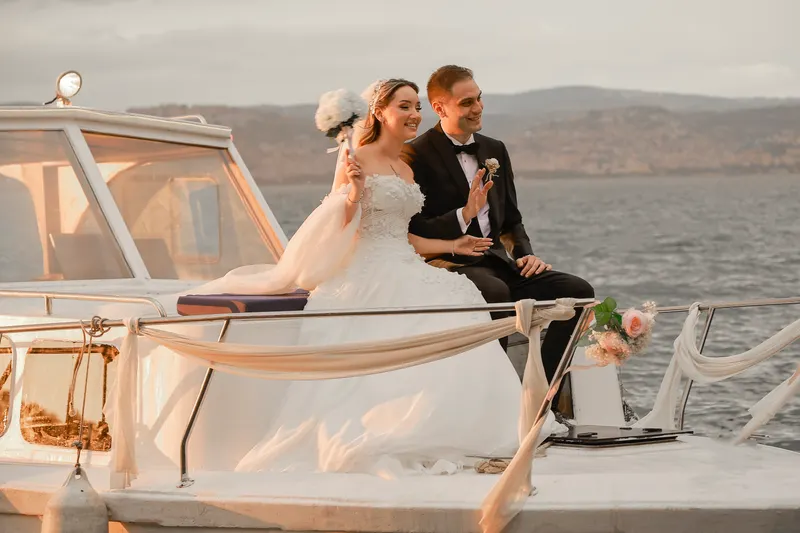
Couples with elderly grandparents or other older relatives whose attendance carries particular importance should carefully consider whether peak summer heat creates genuine health risks or comfort barriers preventing full participation. Mediterranean temperatures regularly exceeding 35 degrees in July and August prove challenging for elderly guests with cardiovascular conditions, mobility limitations, or medications affecting heat tolerance, potentially forcing them to remain in air conditioning rather than participating in outdoor ceremony or reception elements.
May, June, September, or October timing provides more manageable temperatures allowing elderly relative participation without heat-related health concerns, creating inclusive celebrations where all generations enjoy comfortable attendance rather than watching key family members struggle through oppressive heat. This consideration particularly matters for couples whose wedding significance centres on family gathering across generations, where ensuring elderly relative comfort and participation outweighs other timing factors that become secondary to inclusive celebration goals.
Question Four: Do Cultural Traditions or Religious Observances Influence Your Ideal Timing?
Cultural and religious calendars create timing preferences or restrictions that couples from specific backgrounds should integrate into month selection decisions.
Persian New Year and Nowruz Considerations
Persian couples or those with substantial Iranian guest populations often prefer March or early April wedding timing aligning with Nowruz celebrations marking Persian New Year around March 20th to 21st. The cultural resonance of spring renewal, traditional celebrations already gathering families, and symbolic fresh beginnings that Nowruz represents create meaningful timing for Persian weddings, though March weather in Antalya proves more variable than summer months with temperatures ranging from 15 to 20 degrees and moderate rain probability around 20% to 25%.
Couples should weigh cultural timing significance against practical weather and budget considerations, recognising that late April or early May preserve some spring symbolism while providing more reliable weather and avoiding Nowruz week itself when many Persian families prefer spending time in traditional celebrations rather than attending destination weddings. The question involves whether actual Nowruz alignment genuinely matters or whether general spring timing captures desired seasonal associations while improving practical celebration conditions.
Ramadan and Islamic Calendar Avoidance
Muslim couples typically avoid Ramadan timing given the fasting obligations that complicate celebration participation and the inappropriate optics of elaborate festivities during sacred spiritual observation. Ramadan dates shift approximately 11 days earlier each year following the lunar calendar, requiring couples to verify Islamic calendar positioning when planning 2026 and 2027 celebrations. In 2026, Ramadan occurs from late February through late March, while 2027 sees observance from mid-February to mid-March, leaving April through October completely clear for wedding planning.
Some conservative families extend avoidance beyond Ramadan itself to include periods immediately before or after, or prefer scheduling around other Islamic holy days including Eid celebrations. Couples from Muslim backgrounds should discuss timing preferences with family elders during early planning, understanding which dates receive blessing and which create family discomfort through religious calendar conflicts. Turkish venues demonstrate complete professionalism around Islamic calendar considerations given extensive experience serving Muslim clients, implementing any needed adjustments without treating requests as unusual accommodations.
Western Holiday Season and Summer Preference
Western couples without specific cultural calendar constraints often gravitate toward summer timing through cultural associations between June through August and celebration, romance, and festivity that winter holidays represent in other seasonal contexts. These associations prove particularly strong in Northern European and North American cultures where summer represents brief precious warm periods warranting maximum enjoyment before returning to long cold seasons.
However, Mediterranean contexts reverse these associations somewhat, as summer brings oppressive heat that locals actively avoid while spring and autumn represent the most pleasant seasons for outdoor activity and celebration. Couples should examine whether their summer preference genuinely reflects personal values or simply defaults to cultural programming that Mediterranean reality might challenge, with autumn timing potentially providing more authentically pleasant celebration experiences than summer heat that summer-associating cultures tolerate from lack of better seasonal options.
Question Five: How Important Is Securing Your First-Choice Venue Versus Flexibility?
Venue priorities interact with timing decisions, as dream property availability often requires flexibility around month selection while rigid timing preferences limit venue options.
If Specific Venue Matters More Than Exact Month
Couples who identify dream venues whose unique characteristics prove irreplaceable gain timing flexibility by adapting to property availability rather than insisting on predetermined months. Premium properties like Regnum Carya, Maxx Royal Belek, or exclusive boutique venues book 12 to 18 months in advance for peak season Saturday dates, with summer Saturdays often completely reserved even further ahead. Couples willing to consider shoulder season timing, midweek dates, or less popular months dramatically improve chances of securing preferred venues.
This approach works particularly well when couples genuinely feel that venue selection impacts celebration more than specific month timing, perhaps because architectural features, beachfront access, or property aesthetics create irreplaceable backdrops that alternative venues cannot match. The trade-off involves accepting September or October timing instead of July preference, or perhaps selecting Thursday or Sunday dates rather than peak Saturday positioning, recognising that venue significance justifies these timing compromises.
If Timing Flexibility Provides Venue Leverage
Couples approaching venue negotiations with genuine month flexibility gain substantial leverage through willingness to book less desirable dates that properties struggle filling. Off-peak timing not only improves availability but sometimes enables price negotiations beyond standard seasonal discounts, as venues prefer modest revenue from shoulder season bookings over empty calendar dates generating zero income. Some couples successfully negotiate 15% to 30% discounts by accepting November or April dates that fall outside optimal celebration windows but still provide adequate weather for determined couples.
Additionally, timing flexibility allows last-minute booking opportunities when cancellations free premium dates at luxury properties, creating possibilities for couples who can plan quickly and adapt to available timing rather than requiring specific predetermined months. Ramarossi occasionally contacts flexible couples when premium venue cancellations occur, offering exceptional properties at standard or even discounted rates for couples able to commit within compressed timeframes.
Question Six: What Seasonal Aesthetic and Celebration Atmosphere Resonates Most?
Seasonal aesthetics influence celebration atmosphere and visual documentation, requiring consideration about whether couples gravitate toward specific seasonal characteristics beyond practical weather implications.
Summer Energy and Vibrant Brightness
Peak summer months deliver maximum daylight extending until 8pm or later, creating long golden hours for photography and extended outdoor celebration time before darkness arrives. The intense Mediterranean sun produces vivid colours, brilliant blue skies without cloud variation, and overall brightness that some couples find essential to their celebration vision. Tourist season energy creates vibrant destination atmosphere with bustling restaurants, active beach scenes, and general festivity that may enhance celebration context for couples wanting dynamic rather than tranquil settings.
However, this brightness sometimes produces harsh shadows complicating photography, monotonous clear skies lacking visual interest in images, and overall intensity that proves exhausting rather than energising for heat-sensitive couples or those preferring subtle elegance over maximalist sensory bombardment. The aesthetic question involves whether couples genuinely respond to summer’s bold vivid character or whether they actually prefer more nuanced seasonal expressions that spring or autumn provide.
Autumn Elegance and Sophisticated Warmth
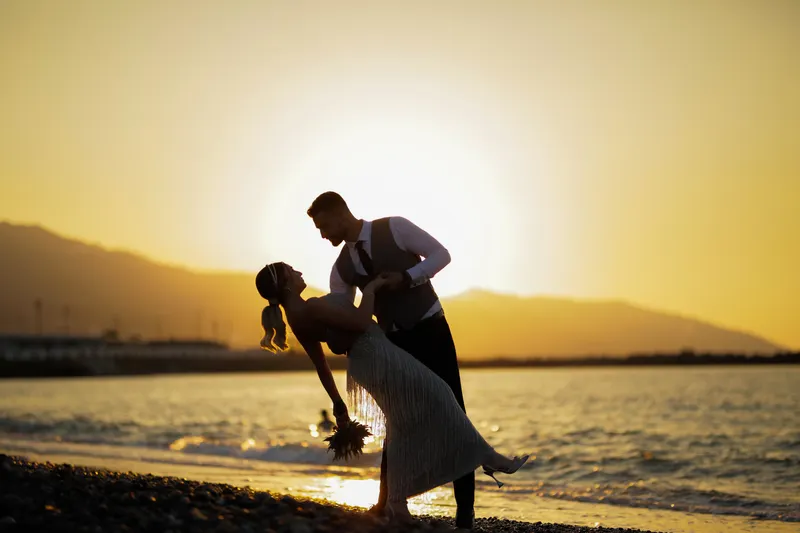
September and October deliver elegant autumn aesthetics through softer light, dramatic cloud formations, golden tones, and overall sophistication that summer’s intensity cannot match. Earlier sunset around 6pm to 6:30pm creates compressed golden hour that photographers often prefer for quality over quantity, producing exceptional imagery in shorter windows. The seasonal transition brings subtle changes in vegetation, atmospheric quality, and overall ambiance that couples seeking refined elegance rather than exuberant brightness may find more aligned with their aesthetic sensibilities.
Reduced tourist presence contributes to sophisticated rather than chaotic atmosphere, with destination feeling more authentic and intimate versus summer’s carnival-like energy. This aesthetic suits couples wanting timeless classic celebration imagery and refined understated atmosphere rather than vibrant maximum-energy productions that summer facilitates. The consideration involves honestly evaluating personal aesthetic preferences rather than defaulting to assumptions that summer automatically provides superior celebration visuals.
Spring Renewal and Fresh Beginnings
May and early June offer spring aesthetic through blooming flowers, fresh greenery, and renewal symbolism that appeals to couples wanting beginning-focused celebration themes. Spring delivers moderate temperatures, increasing daylight as summer approaches, and overall freshness that suggests optimism and new starts rather than peak fulfilment or elegant conclusion that summer and autumn respectively represent. Wildflower season in May creates natural décor opportunities and vibrant landscape backdrops without the parched brown vegetation that late summer sometimes produces.
However, spring weather demonstrates more variability than summer with occasional rain showers, cooler evening temperatures, and less reliable conditions overall. Couples selecting spring timing should genuinely appreciate seasonal character rather than viewing May as budget-conscious substitute for preferred summer months, ensuring aesthetic alignment rather than merely accepting compromise timing.
Question Seven: What Is Your Personal Risk Tolerance and Planning Anxiety Level?
Individual personality traits around uncertainty tolerance, control needs, and planning anxiety substantially influence which month selections will bring satisfaction versus creating stress throughout engagement periods.
High Anxiety and Control-Oriented Personalities
Couples who experience substantial anxiety about uncontrollable variables, who struggle with ambiguity, or who need certainty for emotional comfort should seriously consider peak summer timing despite trade-offs. The guaranteed weather that July and August provide delivers psychological value beyond practical meteorological benefits, preventing the ongoing stress that weather uncertainty creates for anxiety-prone individuals throughout engagement periods. If checking forecasts and worrying about rain possibilities would dominate planning experience and diminish celebration enjoyment, paying premium for weather certainty represents worthwhile investment in mental health and planning peace.
This personality consideration proves particularly relevant for couples with previous negative experiences around uncontrollable circumstances affecting important events, those who generally struggle with uncertainty across life domains, or people whose wedding represents rare occasion when they can afford certainty through financial investment that less important situations don’t justify. There exists no shame in acknowledging that guaranteed summer weather delivers disproportionate value through anxiety reduction for specific personalities, even when objective analysis might suggest shoulder season represents better overall choice.
Flexible and Adaptable Personalities
Couples comfortable with uncertainty, who adapt easily to changing circumstances, or who embrace spontaneity as adventure rather than threat gain freedom to select months based on other priorities without weather variability creating undue stress. These personalities often find that backup planning for potential rain proves exciting rather than anxiety-inducing, viewing contingency preparations as interesting problem-solving that engagement planning encompasses rather than burdensome risk mitigation dominating celebration focus.
Flexible couples frequently discover that shoulder season timing creates better overall experiences precisely because reduced certainty prevents rigid expectations that reality might disappoint, instead fostering responsive adaptation creating unique celebrations that predetermined plans cannot achieve. The key involves honest self-assessment about whether personality genuinely embraces flexibility or whether couples claim adaptability while actually experiencing substantial stress when uncertainty manifests into real weather variability requiring last-minute adjustments.
Risk Tolerance for Guest Experience Uncertainty
Beyond weather itself, couples must evaluate risk tolerance around potential guest dissatisfaction if conditions disappoint expectations. Some couples feel personally responsible for every guest experience aspect, experiencing genuine distress if any attendees encounter discomfort from weather variability or other uncontrollable circumstances. These responsibility-bearing personalities may find summer timing provides emotional protection from potential guilt or disappointment that shoulder season weather variations might trigger despite objective reasonableness.
Alternatively, couples comfortable acknowledging that destination wedding attendance involves accepting some environmental uncertainty beyond couple control demonstrate healthier boundaries enabling shoulder season selection without inappropriate responsibility assumption. These couples recognise that adult guests make informed decisions about destination attendance understanding that weather involves some variability, and that couple responsibility extends to providing backup plans and appropriate communication rather than guaranteeing perfect conditions through restrictive month selection.
Synthesising Answers into Month Recommendations
After answering all seven questions, couples can identify which months best align with their specific priority combinations and circumstances.
Peak Summer Selection Profile
July or August proves optimal for couples who need absolute weather certainty above all other considerations, whose guest lists include many families with school-age children preventing shoulder season attendance, who demonstrate high planning anxiety requiring certainty for emotional comfort, who want maximum summer energy and vibrant bright aesthetics, or who have budget flexibility absorbing premium pricing without financial stress. These couples should accept heat challenges, tourist crowds, and advance booking requirements as reasonable trade-offs for guaranteed weather reliability and peak season characteristics that align with their priorities.
Shoulder Season Selection Profile
May, June, September, or October suits couples who prioritise guest comfort over absolute weather guarantee, who work within budget constraints where 15% to 25% savings create meaningful relief, whose guest demographics allow flexible timing without school term restrictions, who appreciate sophisticated autumn or fresh spring aesthetics over summer intensity, who demonstrate comfortable risk tolerance accepting modest weather variability, or who want reduced tourist crowds creating authentic destination experiences. These couples should embrace backup planning as interesting engagement activity rather than anxiety source, recognising that weather reliability remains quite high despite not reaching summer’s absolute guarantee.
Optimal Compromise Timing
Early June or September represents sweet spot timing for couples struggling to choose between peak and shoulder seasons, delivering near-summer weather reliability with only 8% to 12% rain probability while capturing substantial shoulder season benefits through reduced crowds and moderate pricing advantages. These transition months prove particularly suitable for couples whose seven-question answers split between peak and shoulder indicators, suggesting that extreme timing in either direction proves less suitable than moderate positioning balancing competing priorities.
Frequently Asked Questions
What if our answers to the seven questions point toward different optimal months?
Conflicting indicators across the seven questions represent normal experience for most couples, as wedding planning inherently involves navigating competing priorities that rarely align perfectly toward single obvious choices. The resolution involves identifying which questions matter most to your specific circumstances rather than treating all seven equally when priorities actually demonstrate clear hierarchy. For instance, if budget represents genuine constraint that determines celebration feasibility versus aspirational preference for lower costs, budget considerations should outweigh aesthetic preferences that prove more flexible. Similarly, if elderly grandparent health concerns create genuine attendance barriers in peak summer heat, this takes precedence over weather certainty preferences that become secondary to inclusive family celebration. The framework involves using question conflicts to illuminate priority hierarchies, forcing explicit acknowledgment that couples cannot optimise every dimension simultaneously and must choose which factors genuinely drive decisions versus which represent nice-to-have preferences couples can sacrifice when necessary. Couples should also recognise that compromise months like early June or September often resolve conflicts through moderate positioning, delivering acceptable performance across multiple dimensions rather than excellence on single axis at expense of poor performance elsewhere. These transition periods particularly suit couples whose conflicting answers suggest extreme timing in either direction creates unacceptable trade-offs while middle positioning provides adequate satisfaction across competing priorities. The process involves moving beyond binary peak versus shoulder thinking toward nuanced recognition that wedding season encompasses multiple distinct periods each offering different characteristic combinations, with optimal selection depending on which specific combination best matches individual priority weightings rather than generic recommendations.
How do we know if we’re being honest about our priorities versus defaulting to social expectations?
Distinguishing authentic personal priorities from internalised social expectations or unexamined cultural defaults proves challenging but essential for satisfaction with month selections. Several techniques help couples access genuine preferences beyond surface-level assumptions. First, examine whether stated priorities actually reflect personal values or represent what couples believe weddings should prioritise based on media representations, friend experiences, or family expectations. If weather certainty appears as top priority, interrogate whether this genuinely reflects personal anxiety or simply assumes that perfect weather represents essential wedding element because popular culture suggests this. Second, consider past experiences and general personality patterns to verify priority consistency. Couples who generally embrace spontaneity and handle uncertainty well across life domains should question claims that wedding planning suddenly requires absolute certainty uncharacteristic of their typical approaches. Conversely, those who consistently prefer planning and control across situations should trust that wedding timing will follow similar patterns rather than assuming flexibility they don’t naturally demonstrate. Third, engage in hypothetical trade-off exercises making abstract priorities concrete. If choosing between £8,000 budget savings versus guaranteed sunshine, which genuinely feels more valuable? If selecting between comfortable guest temperatures versus zero rain possibility, which creates better overall celebration? These concrete choices often reveal that stated abstract priorities don’t actually drive decisions when forced into direct competition. Fourth, seek honest feedback from partners about whether stated priorities feel authentic or performative, as sometimes people recognise in others the social conformity that individuals struggle seeing in themselves. Partners might observe that claimed weather certainty needs seem inconsistent with general personality flexibility, suggesting external pressure rather than genuine preference.
Should we poll our guests about month preferences before making final decisions?
Guest polling provides valuable information about attendance feasibility across different months but requires careful implementation preventing inappropriate responsibility transfer or decision paralysis from conflicting feedback. The useful approach involves informal conversations with key guests whose attendance matters most, perhaps immediate family and closest friends whose presence proves essential versus broader guest list whose attendance remains desired but not celebration-defining. These conversations should frame timing as preliminary consideration where couple wants to understand genuine constraints versus seeking permission or votes about month selection, maintaining appropriate boundary that final decisions remain couple prerogative informed by but not dictated by guest input. Questions should focus on objective availability constraints like school term conflicts or industry-specific work patterns rather than subjective preferences that may not reflect actual attendance decisions. For instance, asking whether summer versus autumn timing creates school schedule barriers provides actionable information, while asking which month guests prefer yields subjective opinions that may change or prove inconsistent with actual behaviour when booking occurs. Couples should avoid formal polls or group discussions that create expectation of democratic decision-making, as this transfers inappropriate responsibility to guests and creates potential resentment when inevitable trade-offs mean some preferences receive priority over others. The information gathering should occur quietly through individual conversations during early planning before venue commitments, allowing couples to integrate feedback into decision-making without creating guest perception that their input determines outcomes. Most importantly, couples should recognise that perfect attendance represents impossible goal, as some desired guests will face conflicts regardless of month selection. The question involves which specific people matter most and whether particular timing substantially improves their attendance prospects versus creating marginal differences that don’t justify compromising couple priorities.
What happens if we select a month and then regret the choice as planning progresses?
Month selection regret occasionally occurs when initial priorities shift during engagement periods or when couples discover that theoretical preferences don’t match practical realities as wedding dates approach. The possibility of change depends on planning timeline and contractual commitments. Couples early in planning with 15 to 18 months before weddings might successfully modify timing if venue contracts include change provisions or if properties maintain availability for alternative months allowing adjustments. However, this flexibility proves rare once deposits secure dates and vendors book surrounding their committed timing, particularly for popular properties where alternative month availability may not exist. Most venue contracts treat date changes as complete cancellations subject to standard cancellation policies, meaning couples potentially forfeit substantial deposits even when requesting different months at identical properties rather than full celebration cancellations. The financial penalties for date changes typically range from 40% to 100% of total package costs depending on timing proximity to original dates and contract specifics, creating prohibitive expense that makes most month changes impractical once contracts execute. Prevention proves more practical than correction, involving very careful consideration before committing to specific months rather than rushing decisions that couples later regret. Couples experiencing selection uncertainty should delay venue booking until achieving genuine confidence about timing, recognising that missing preferred venues proves less problematic than committing to inappropriate months requiring expensive changes. The seven-question framework exists precisely to facilitate thorough consideration reducing regret probability through systematic evaluation of all relevant factors before irreversible commitments. However, couples should also maintain perspective that some timing dissatisfaction represents natural pre-wedding anxiety rather than genuine poor decisions, with many couples experiencing second-guessing regardless of month selection representing general planning stress rather than actual timing problems requiring correction.
Does Ramarossi recommend specific months or do you genuinely believe different months suit different couples?
Ramarossi maintains genuine conviction that optimal month selection varies substantially across couples based on individual circumstances, priorities, and personality characteristics rather than believing single month represents universally superior choice. This conviction stems from 15 years observing celebrations across all viable wedding months, witnessing couples who achieve tremendous satisfaction with October timing while others require July certainty for emotional comfort, and recognising that both outcomes represent legitimate appropriate matches between couple characteristics and month selection rather than one group making correct choices while the other settles for suboptimal compromise. The framework presented through these seven questions reflects accumulated wisdom about which couple types typically find satisfaction with various month selections and which combinations of priorities and timing create regret or disappointment. However, Ramarossi recognises that even careful analysis cannot guarantee perfect month matches, as human complexity sometimes defies systematic frameworks and individual circumstances contain unique elements that generic guidance cannot address. The goal involves providing structured thinking that improves decision quality and confidence rather than prescribing specific months as objectively superior to alternatives regardless of circumstance. If pressed to identify patterns, Ramarossi observes that early October timing demonstrates highest satisfaction rates across diverse couple types given its balance of reliable weather, comfortable temperatures, budget efficiency, and reduced crowds creating broadly appealing characteristics. Conversely, late November or December timing rarely proves satisfactory outside specific cultural requirements or extreme budget constraints, given genuinely challenging weather that creates celebration limitations most couples find unacceptable. However, these generalised observations should not override individual seven-question analysis suggesting different months better match specific priorities. The sophisticated approach involves recognising both that systematic patterns exist across large populations and that individual variation means generic recommendations prove less valuable than frameworks enabling personalised decision-making accounting for circumstances that population-level guidance necessarily ignores.